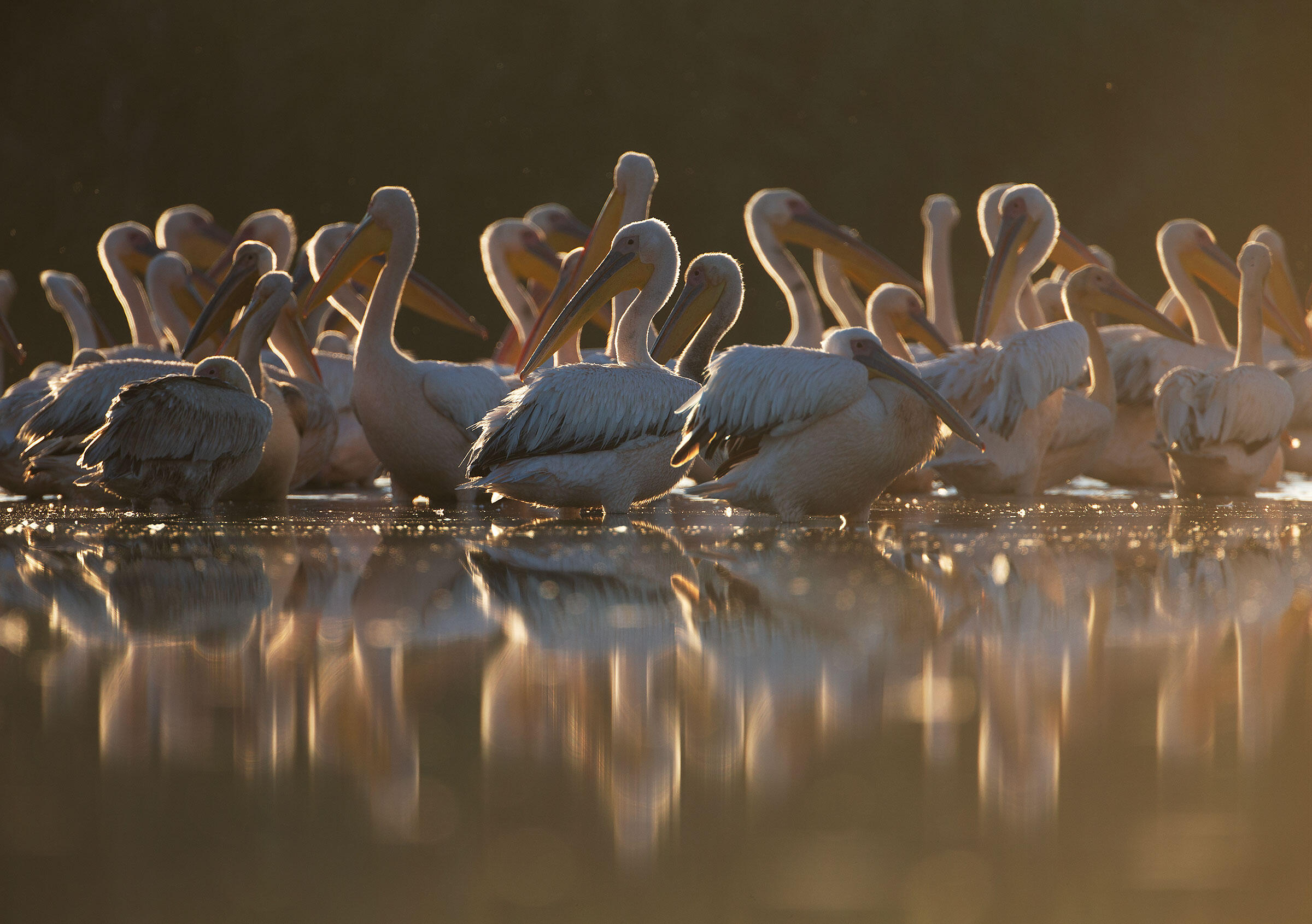
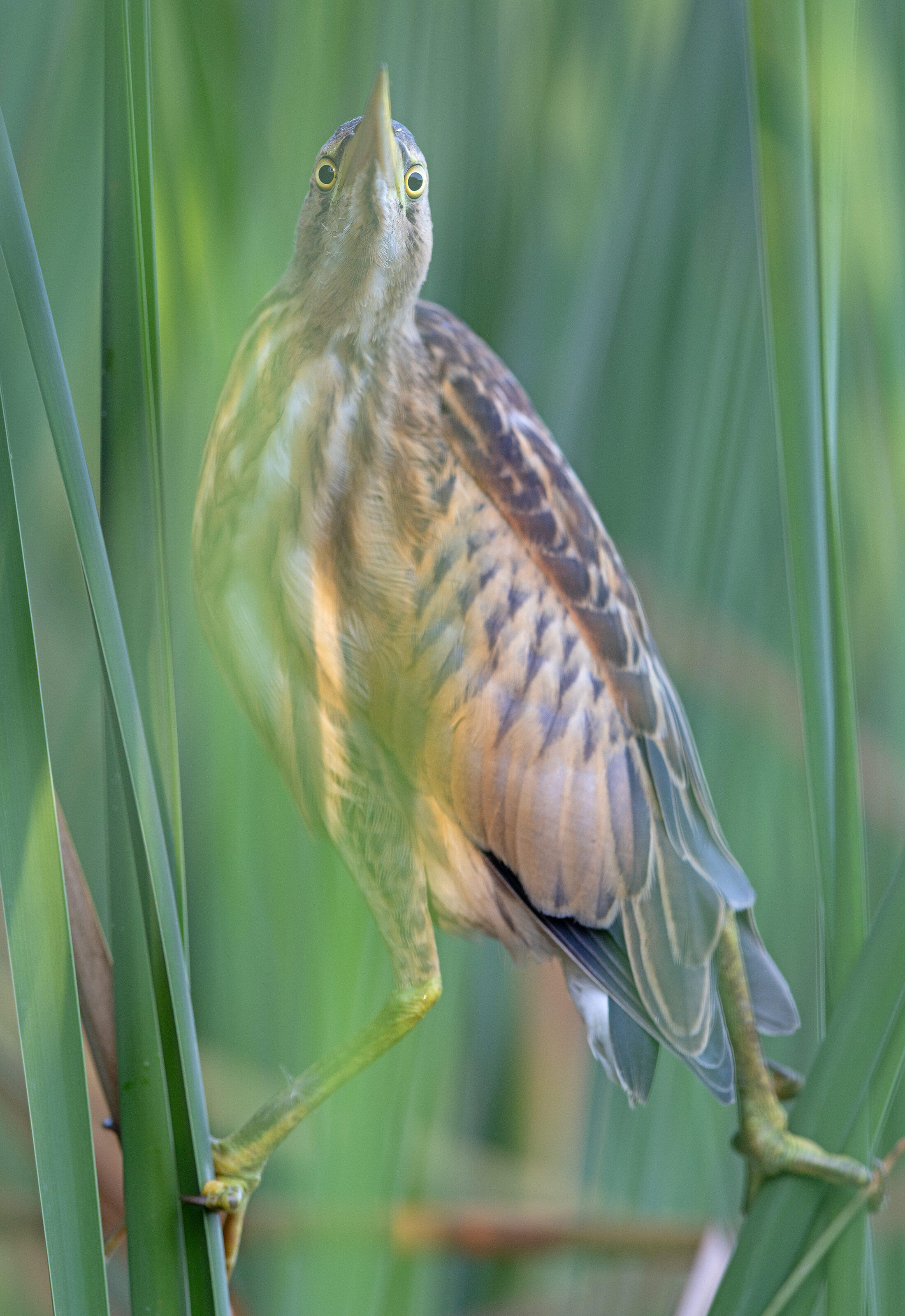
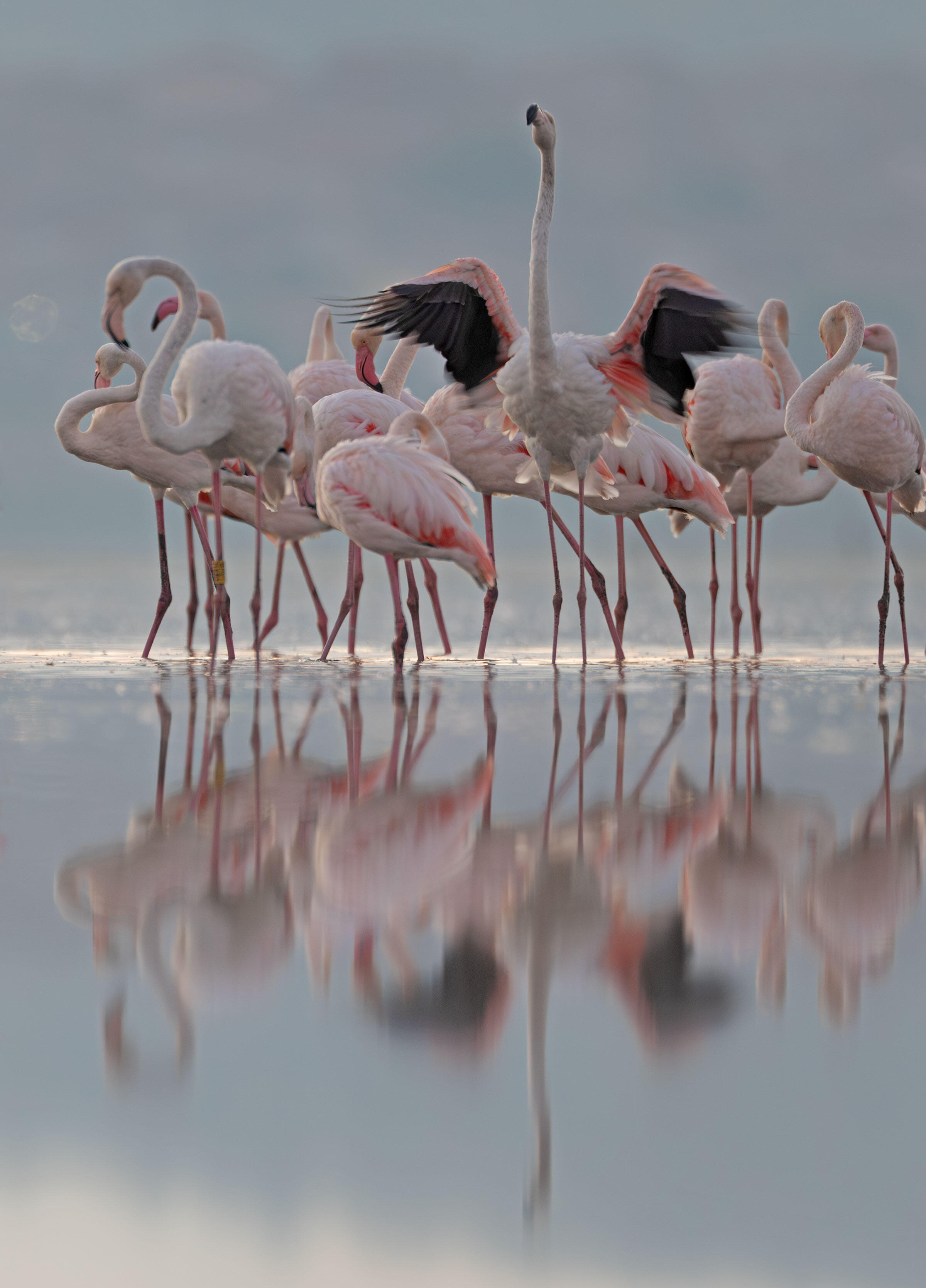
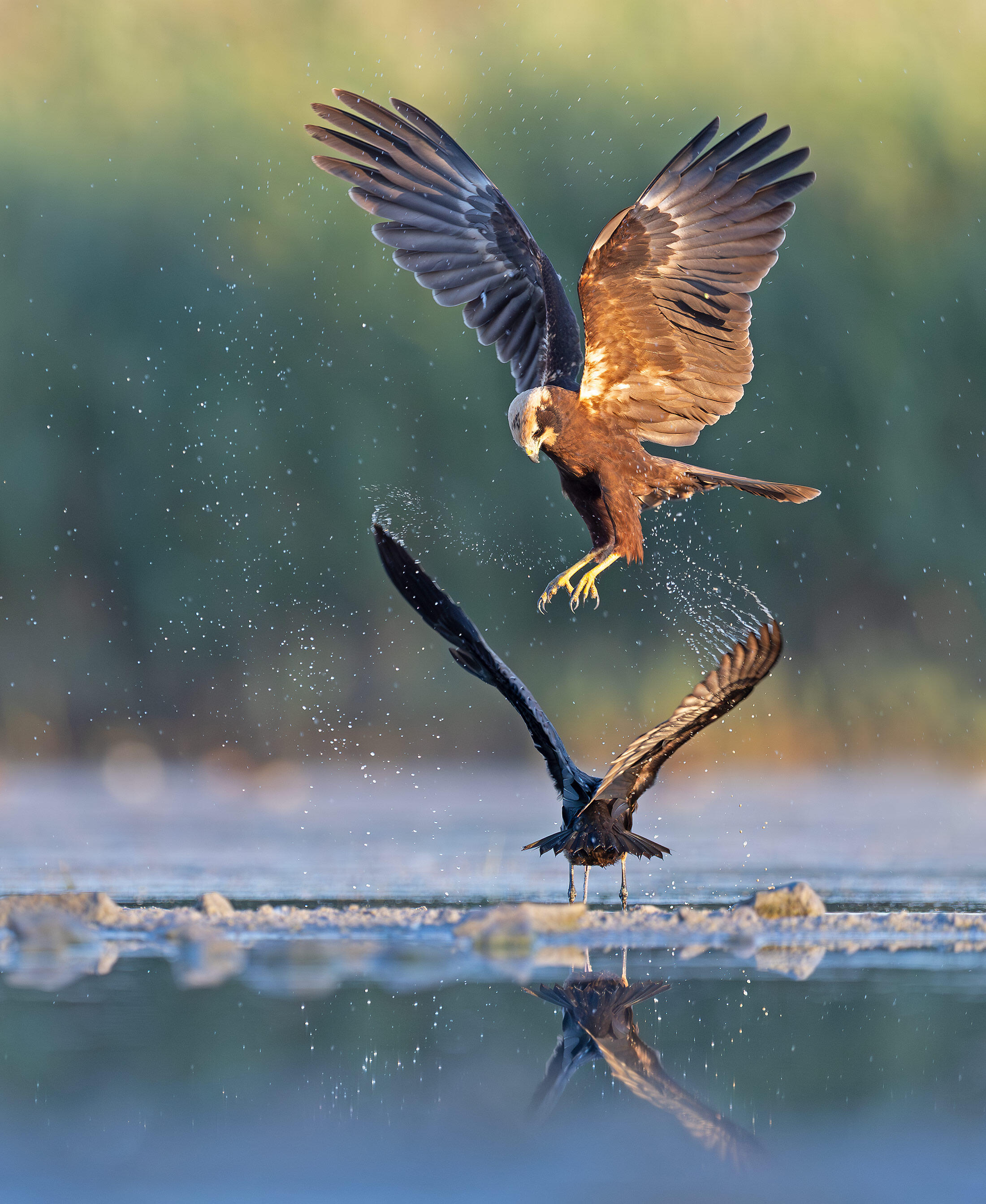
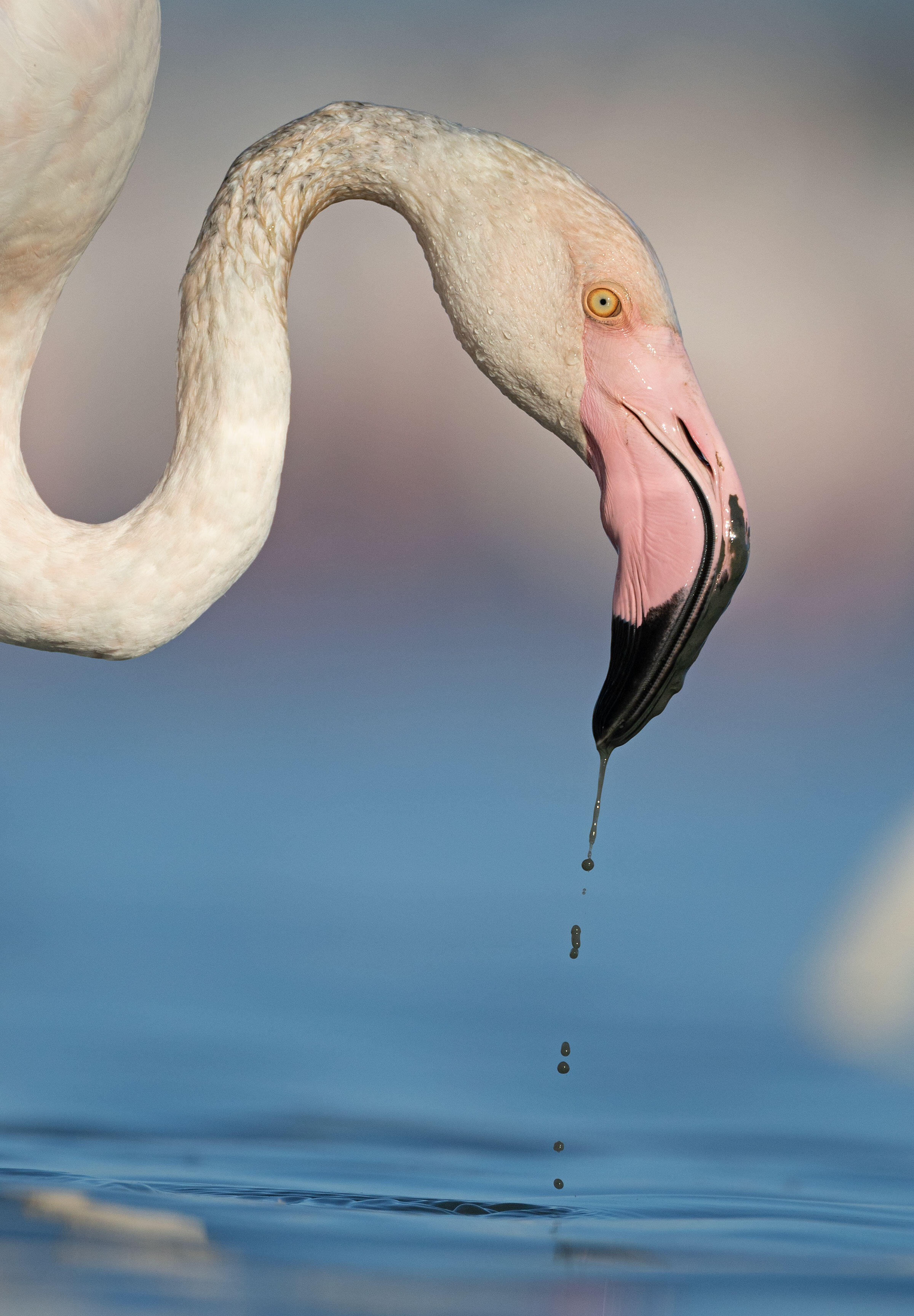
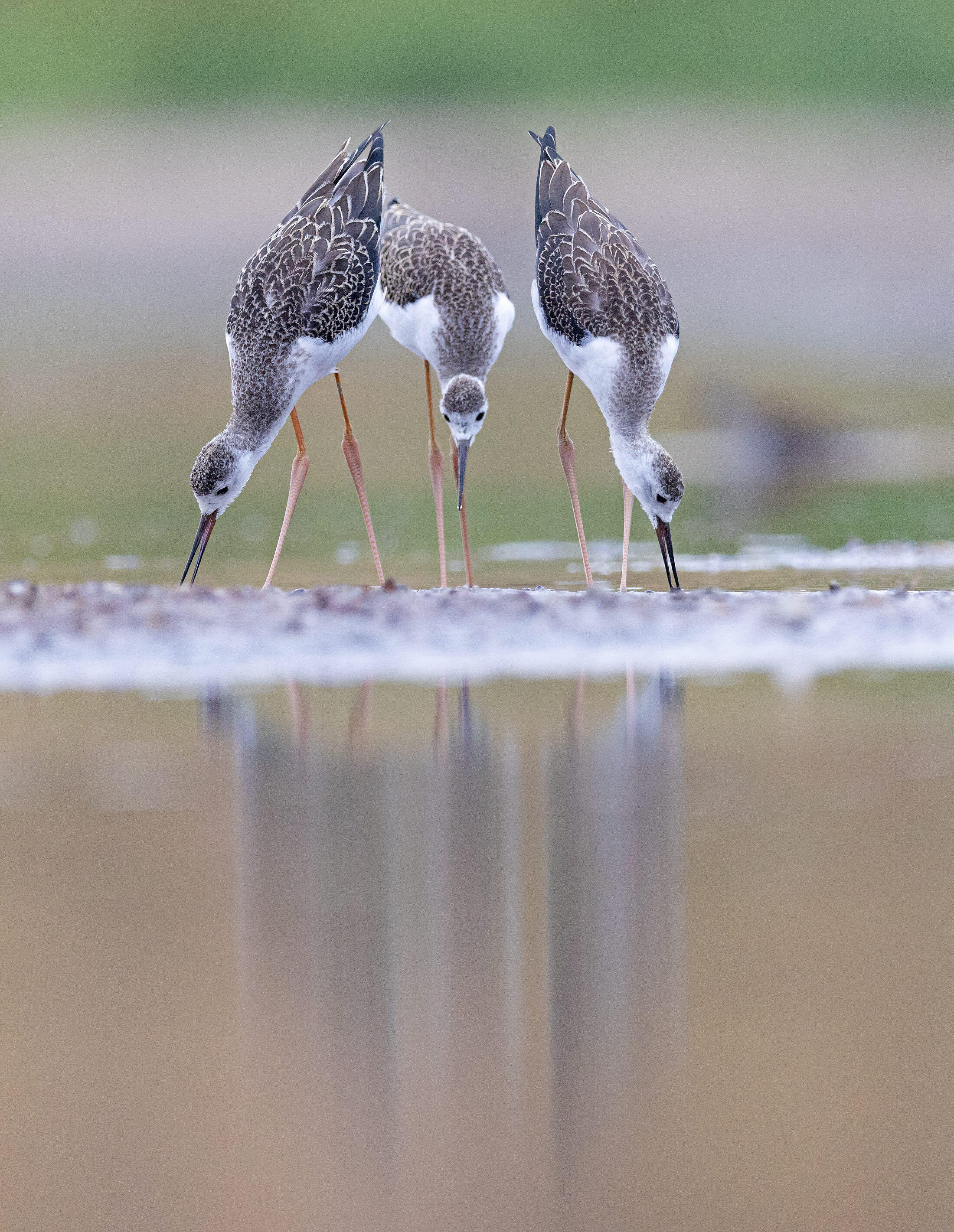
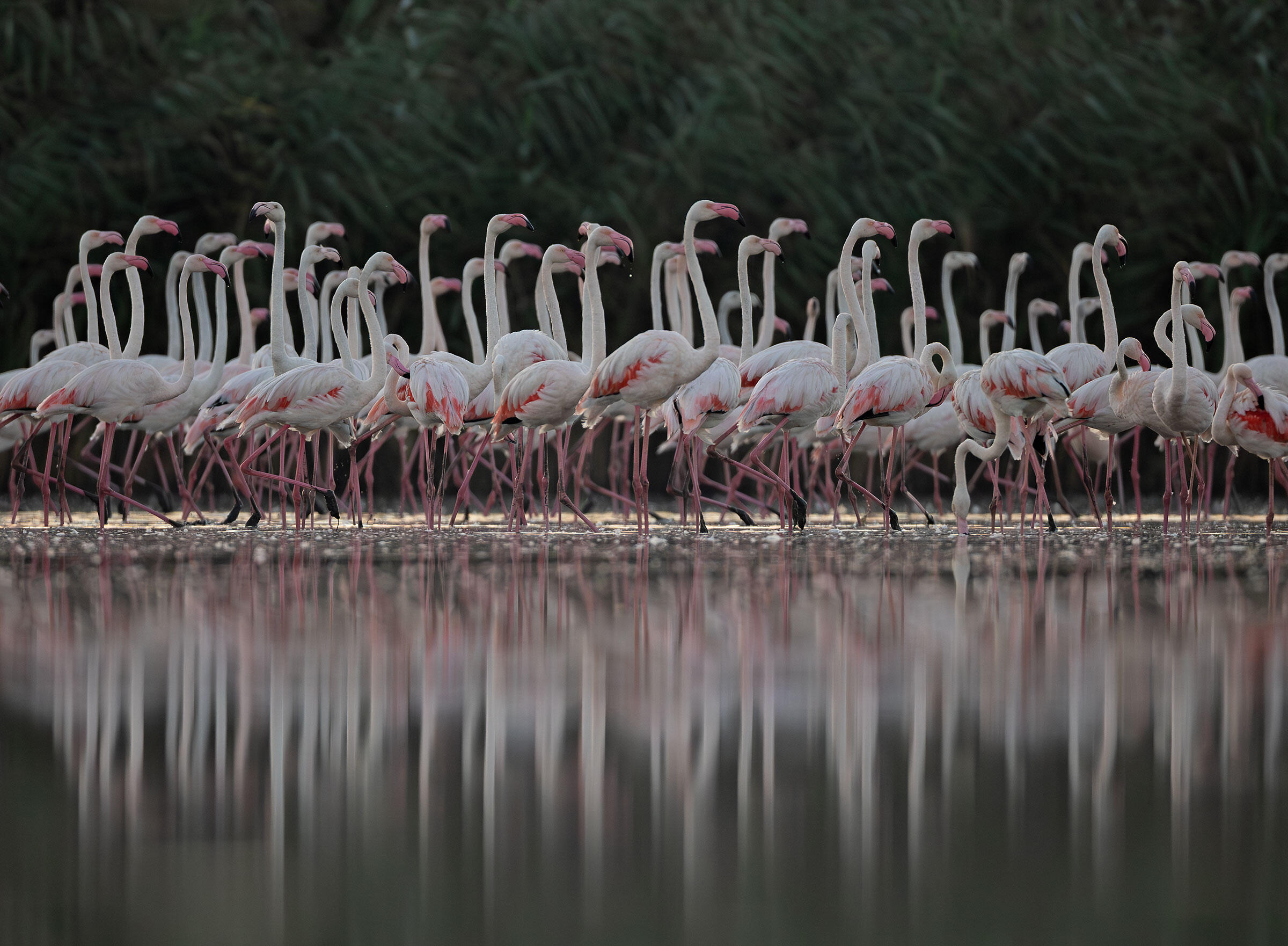
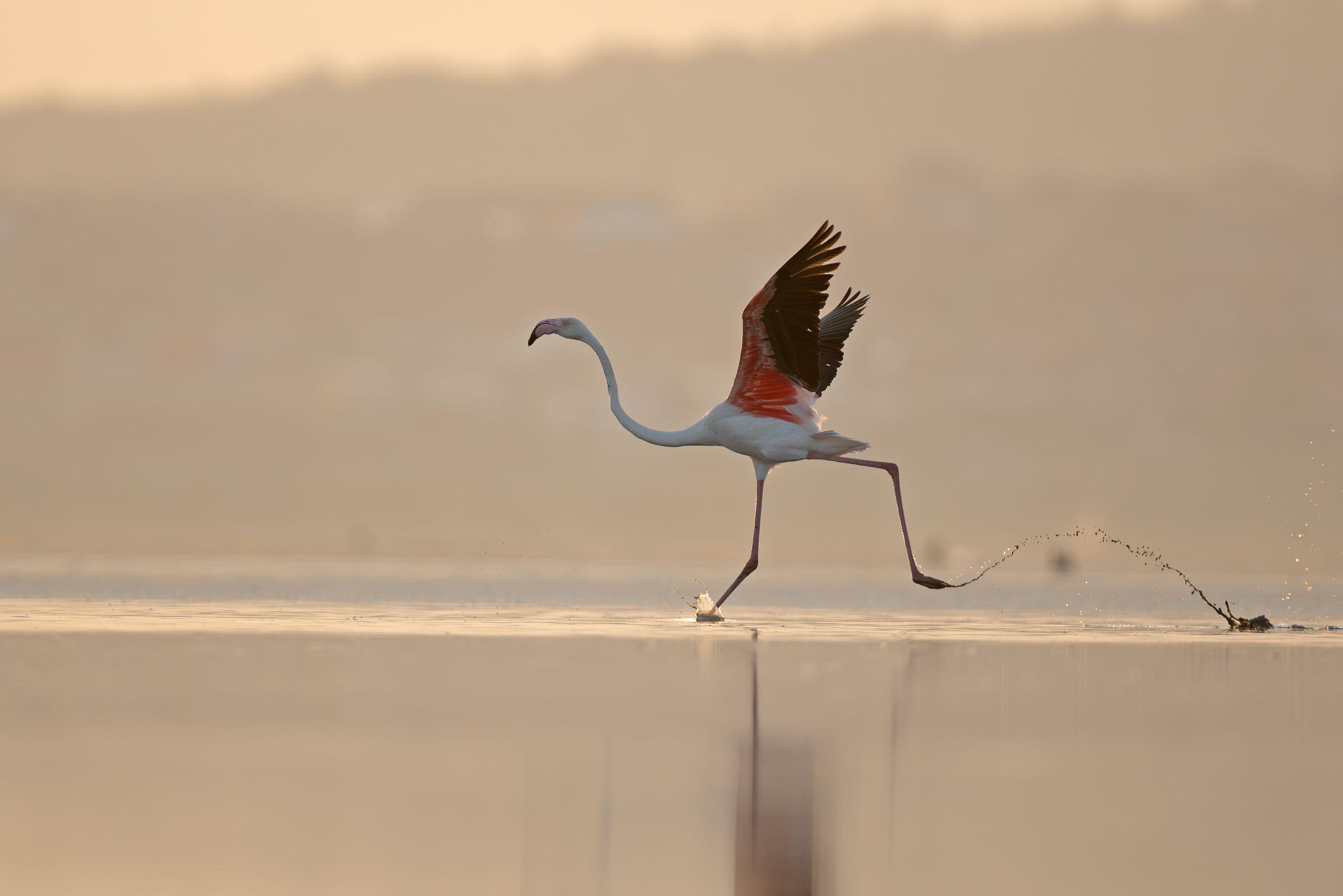
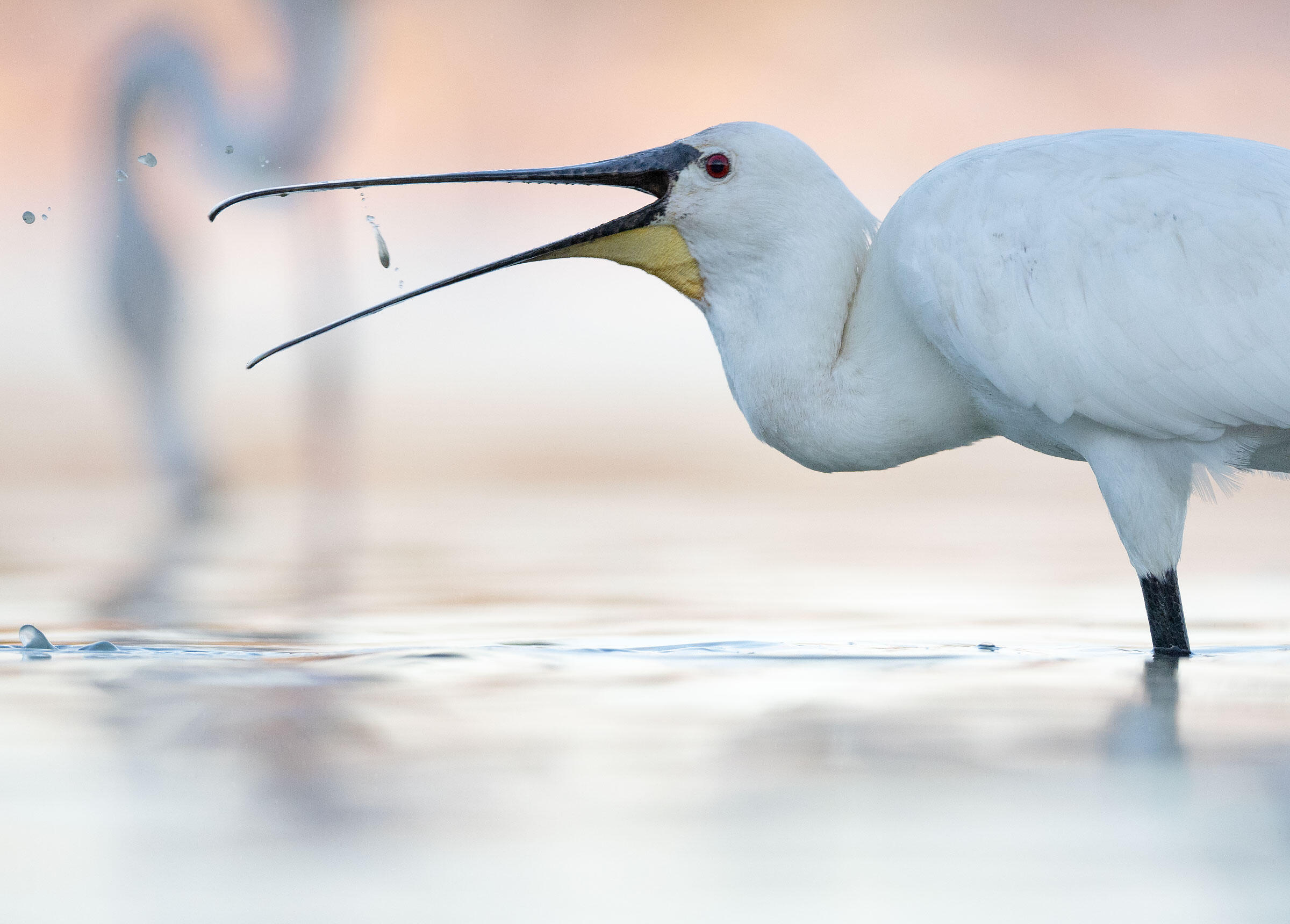
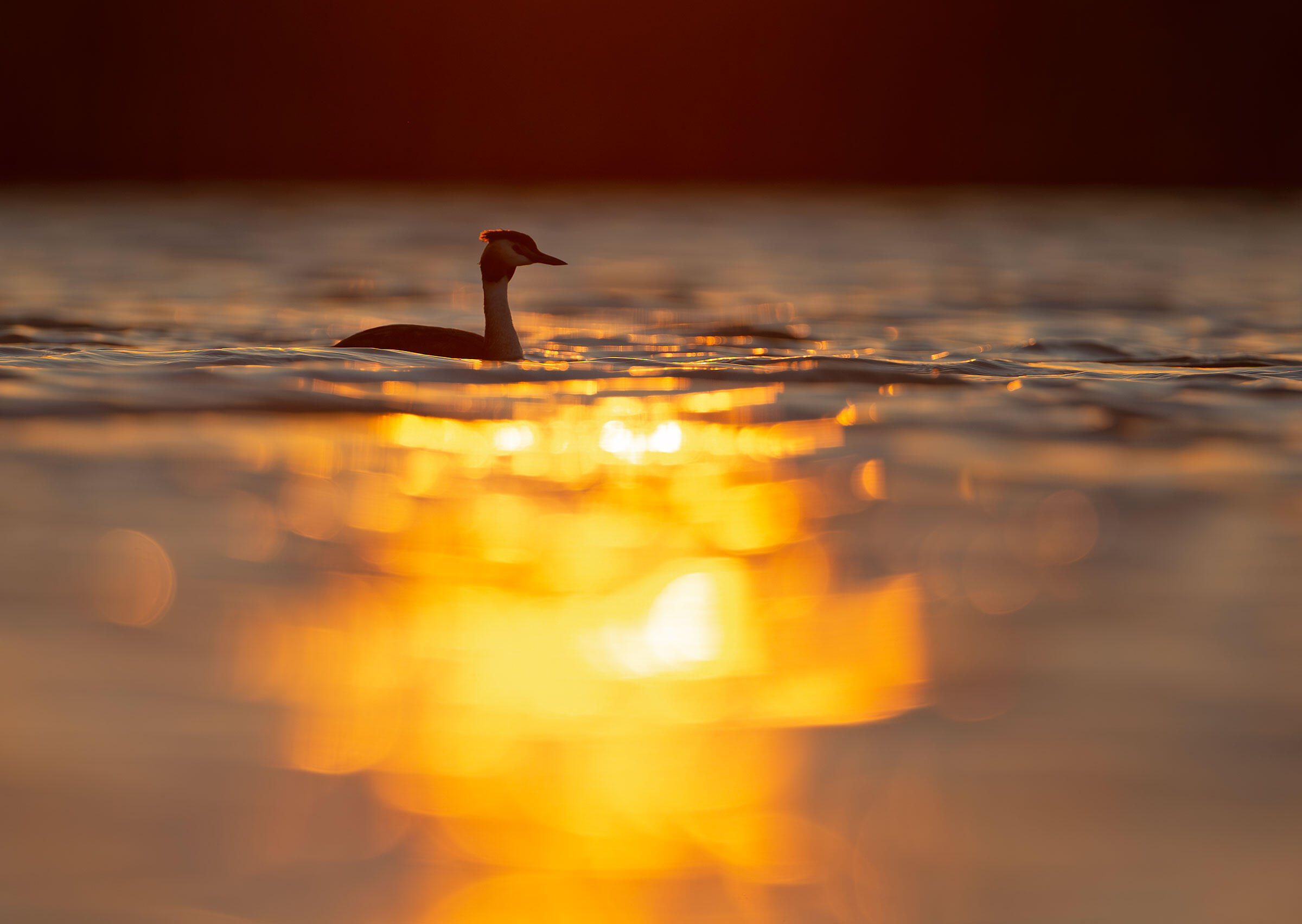
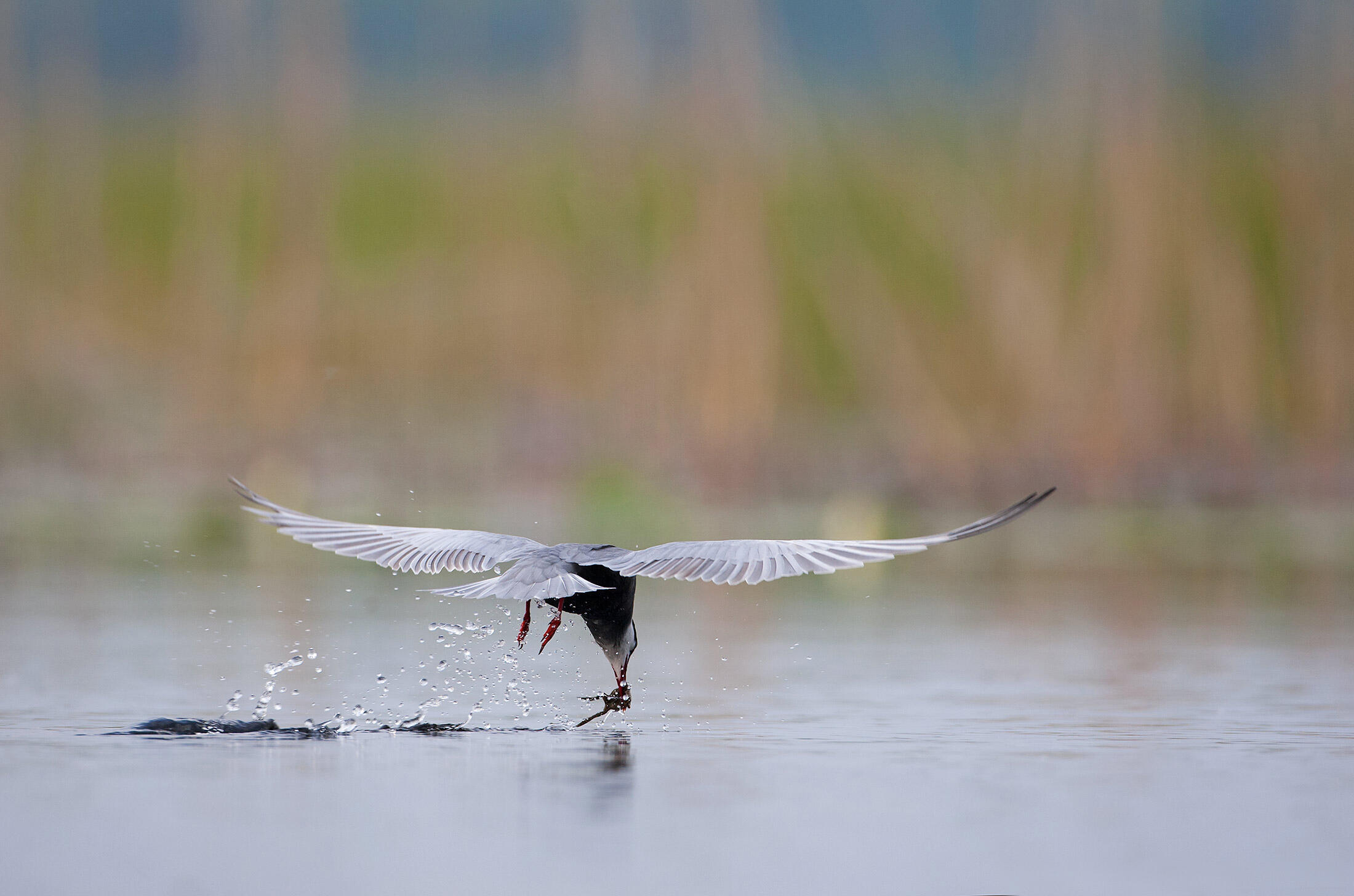
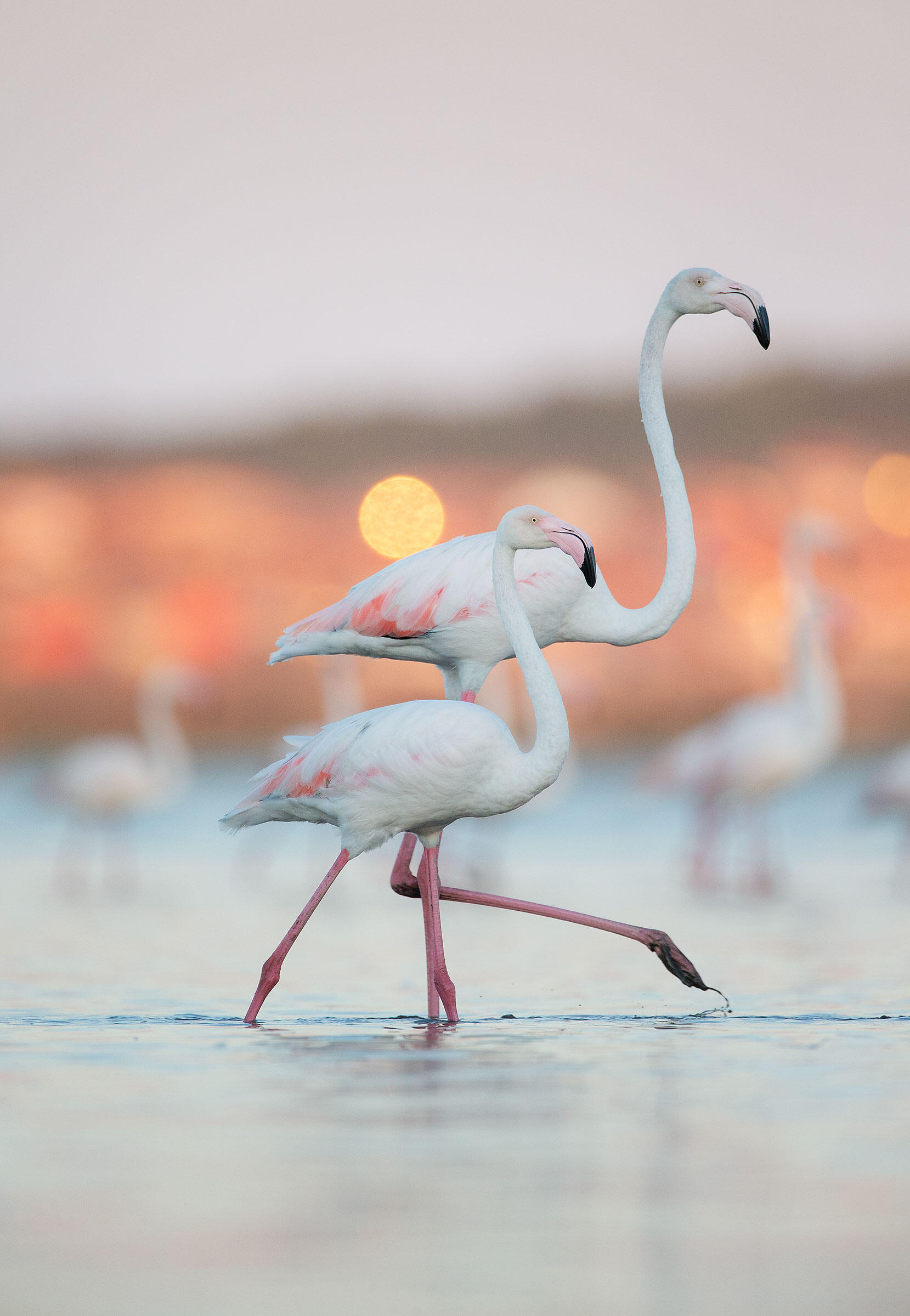
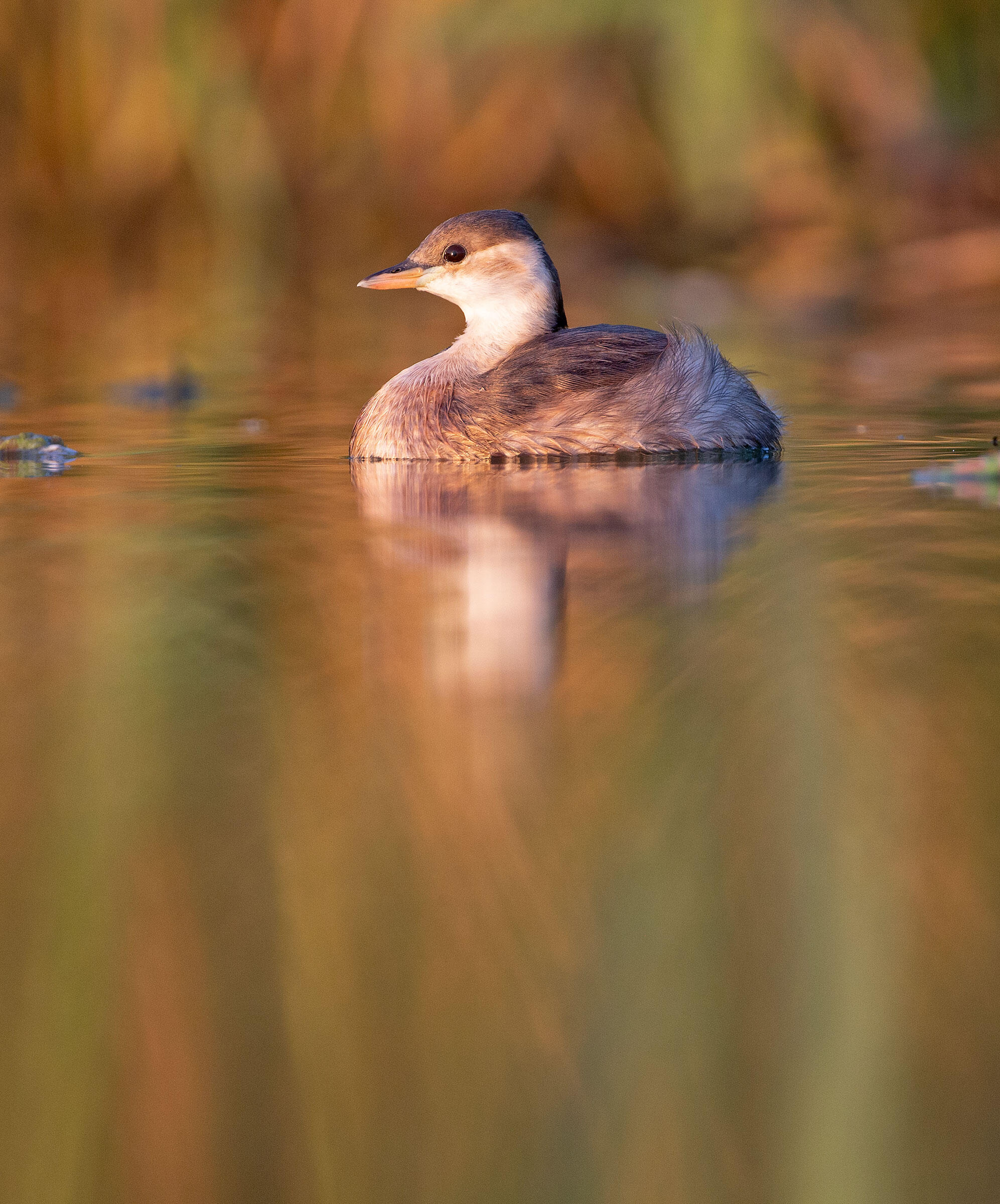
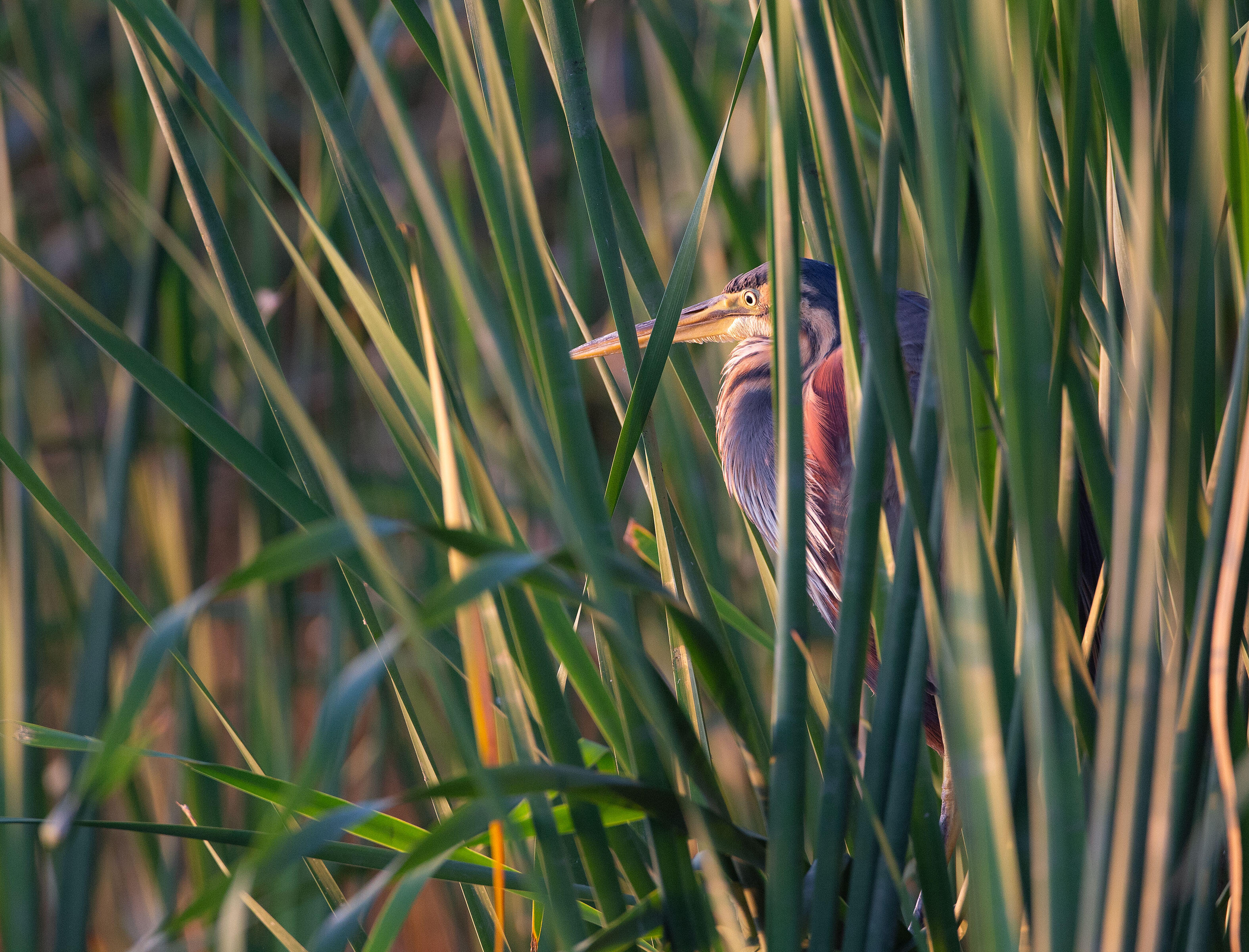
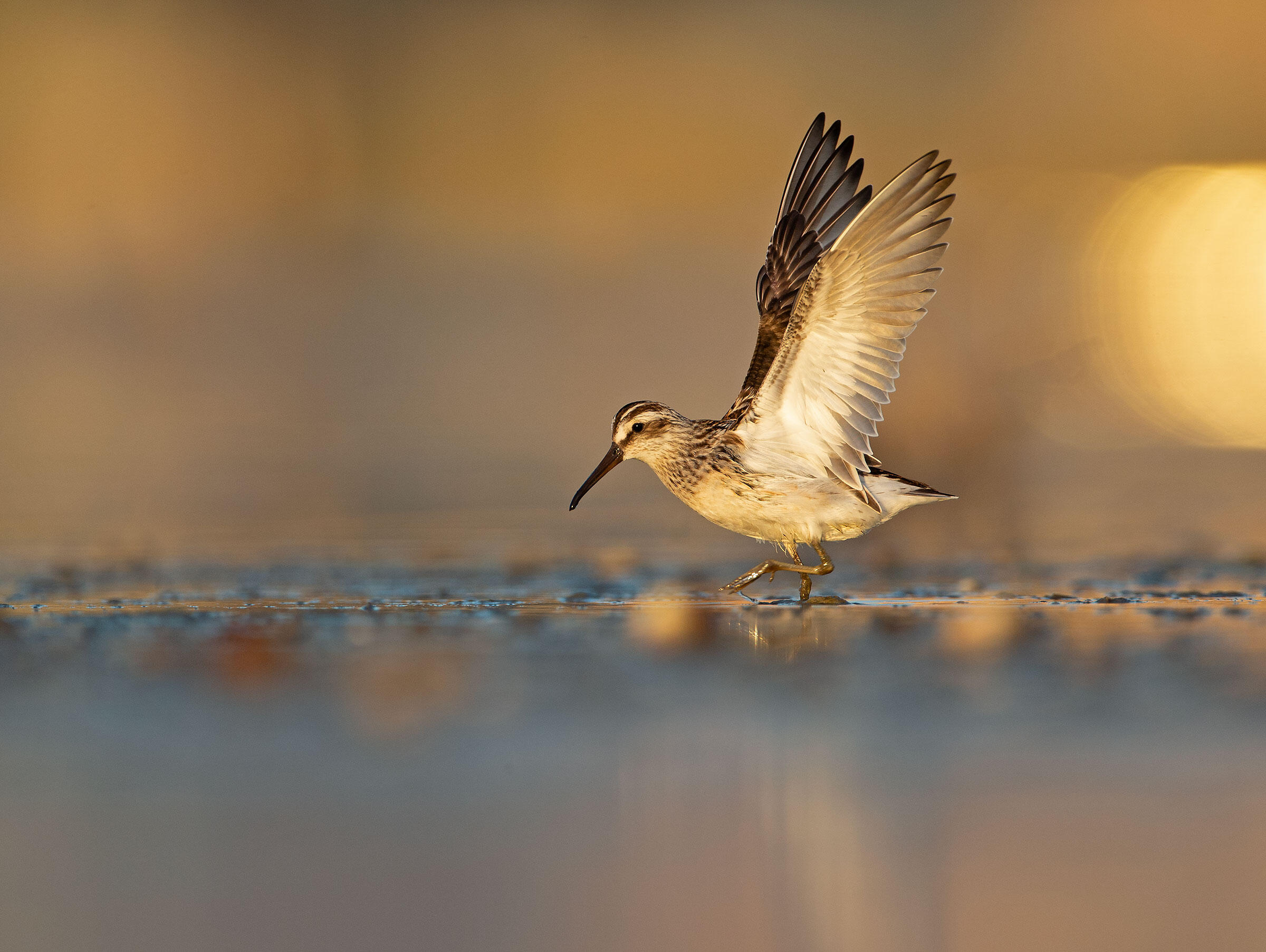
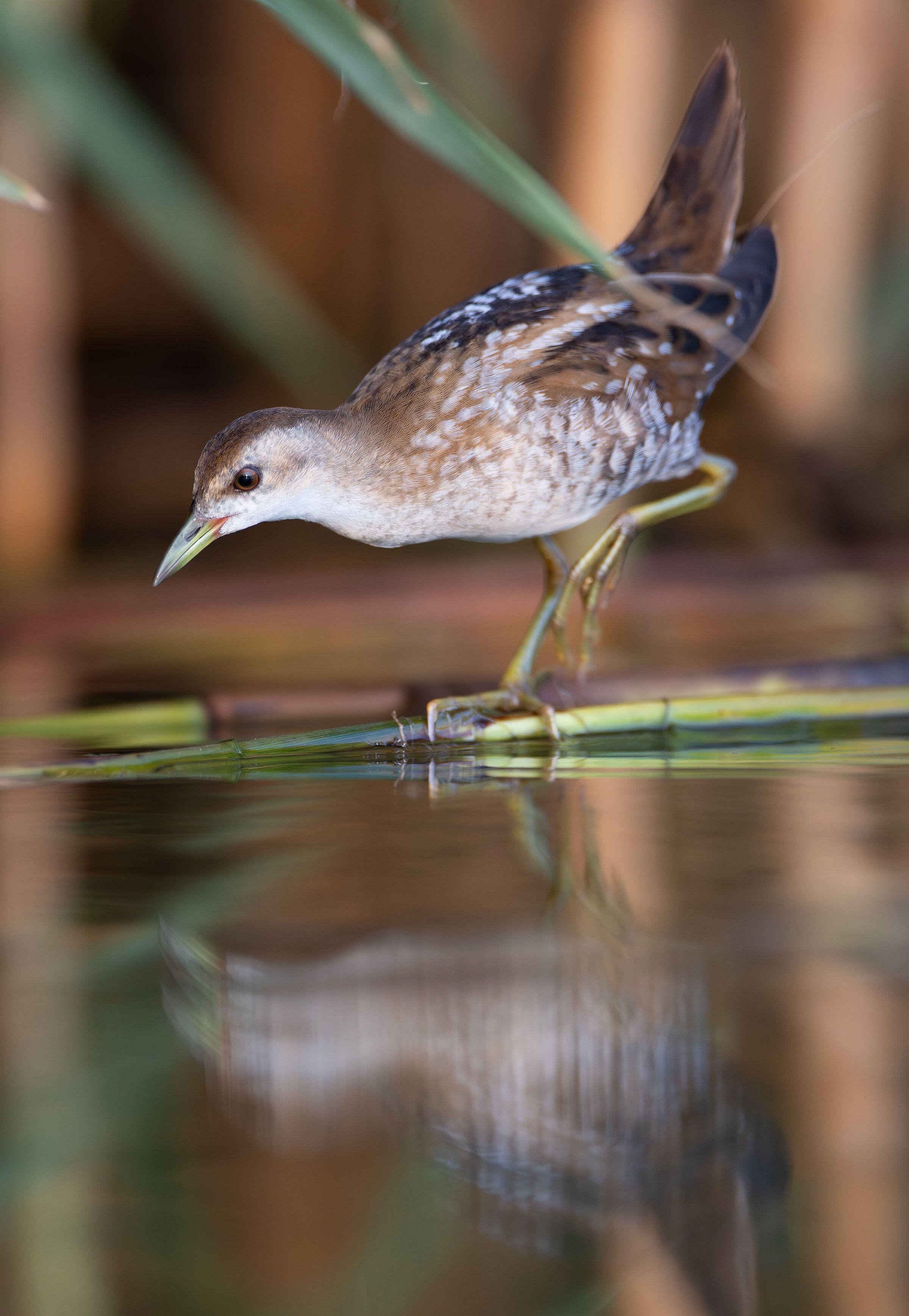
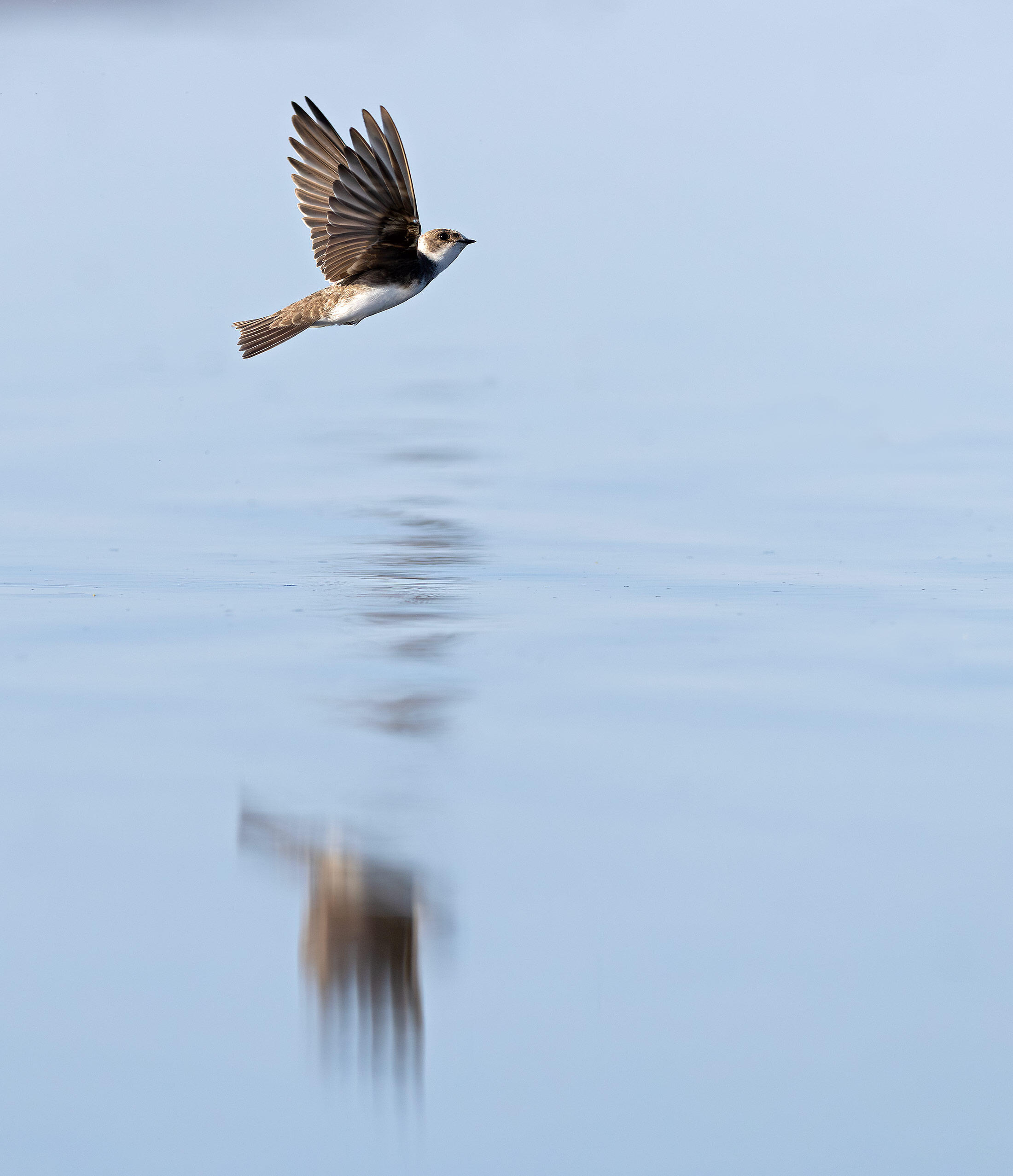
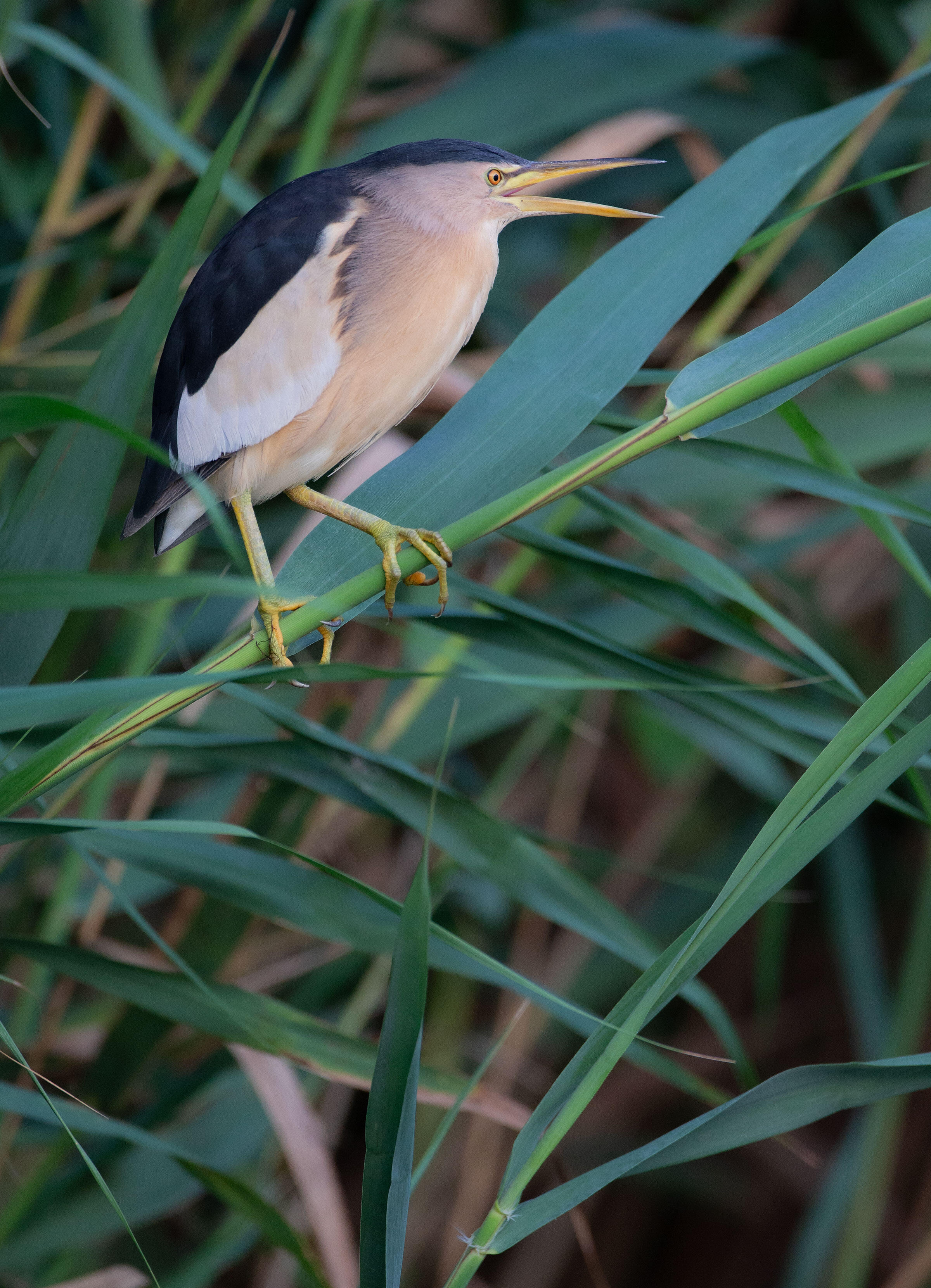
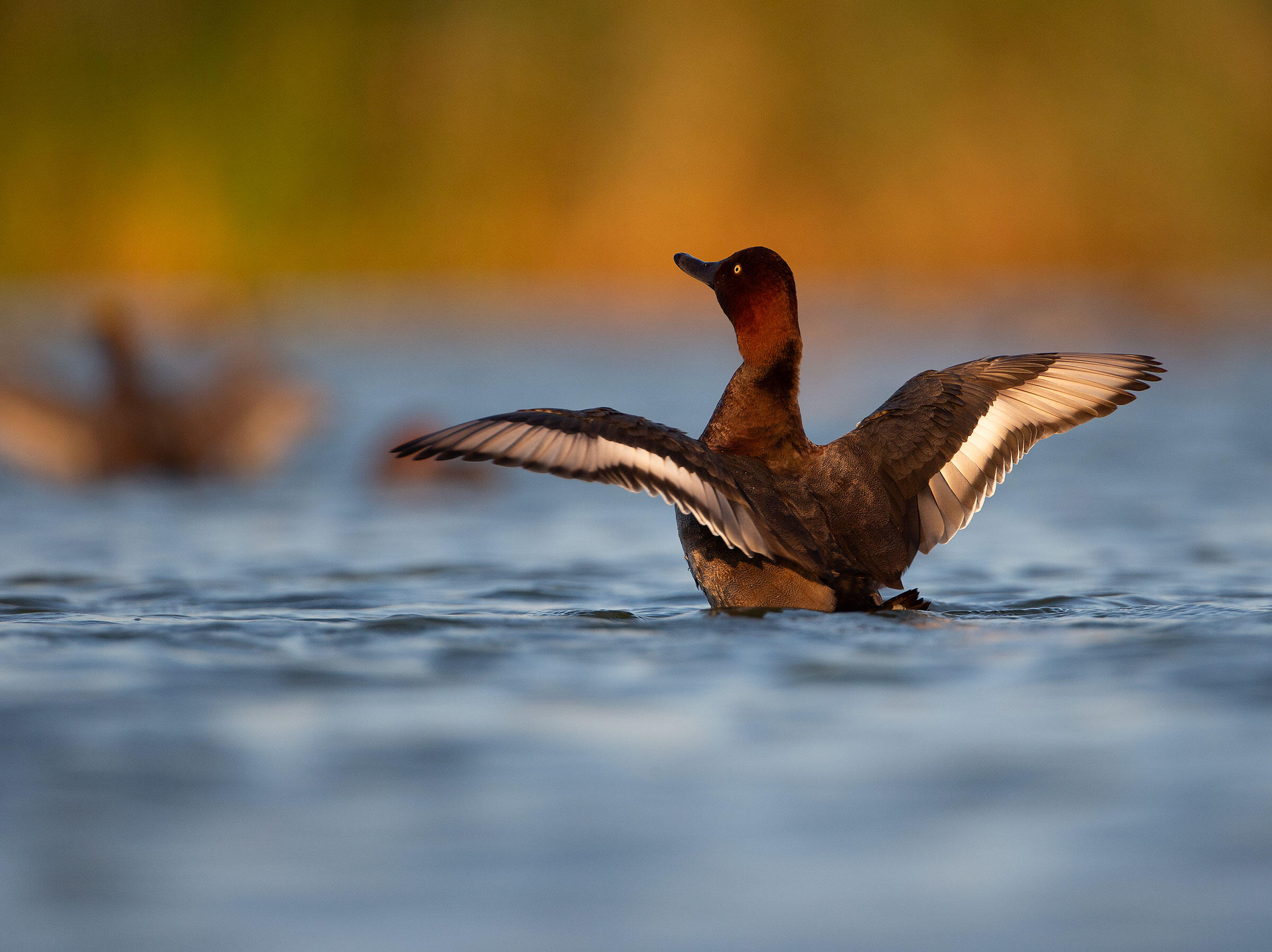
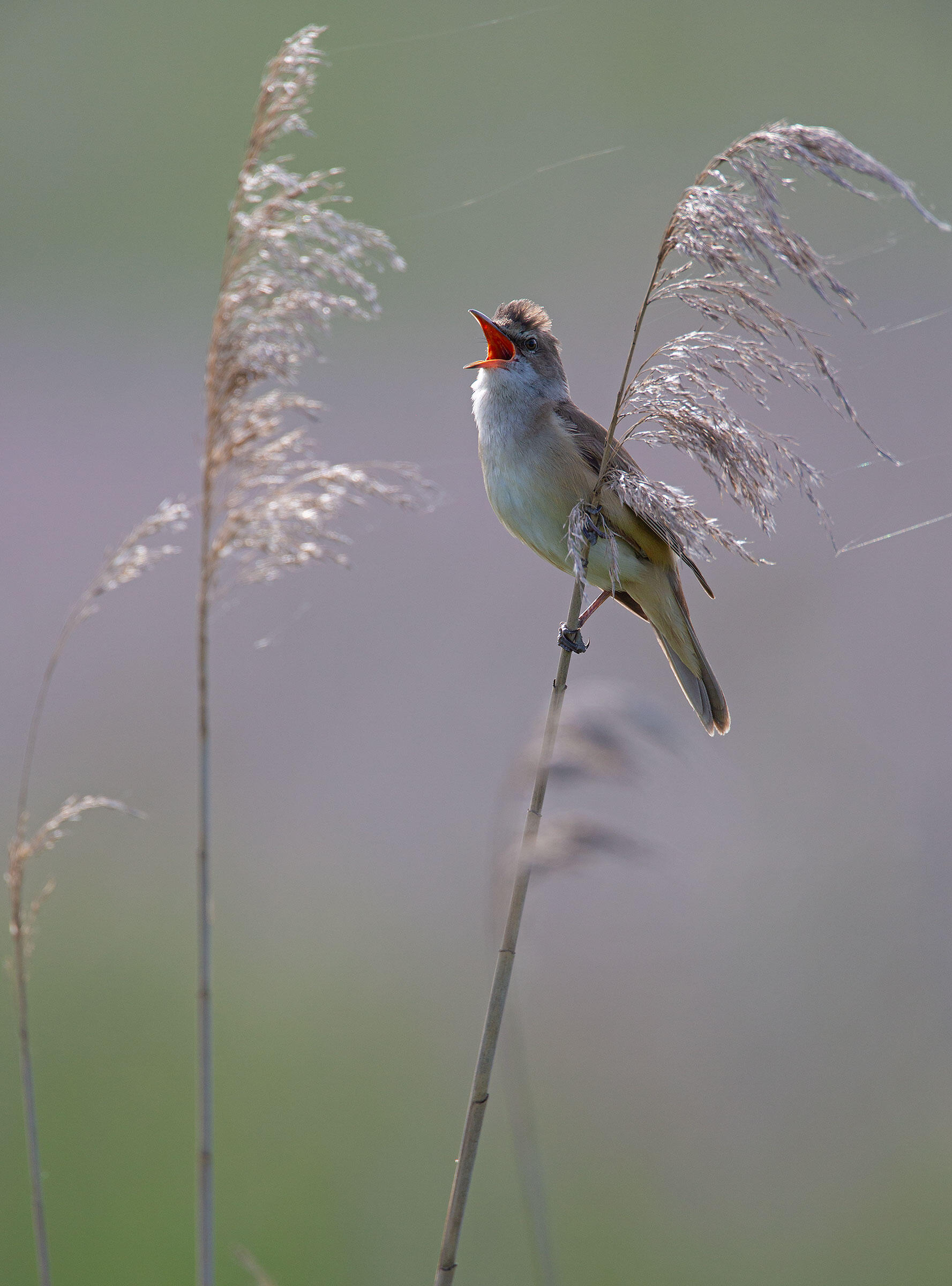
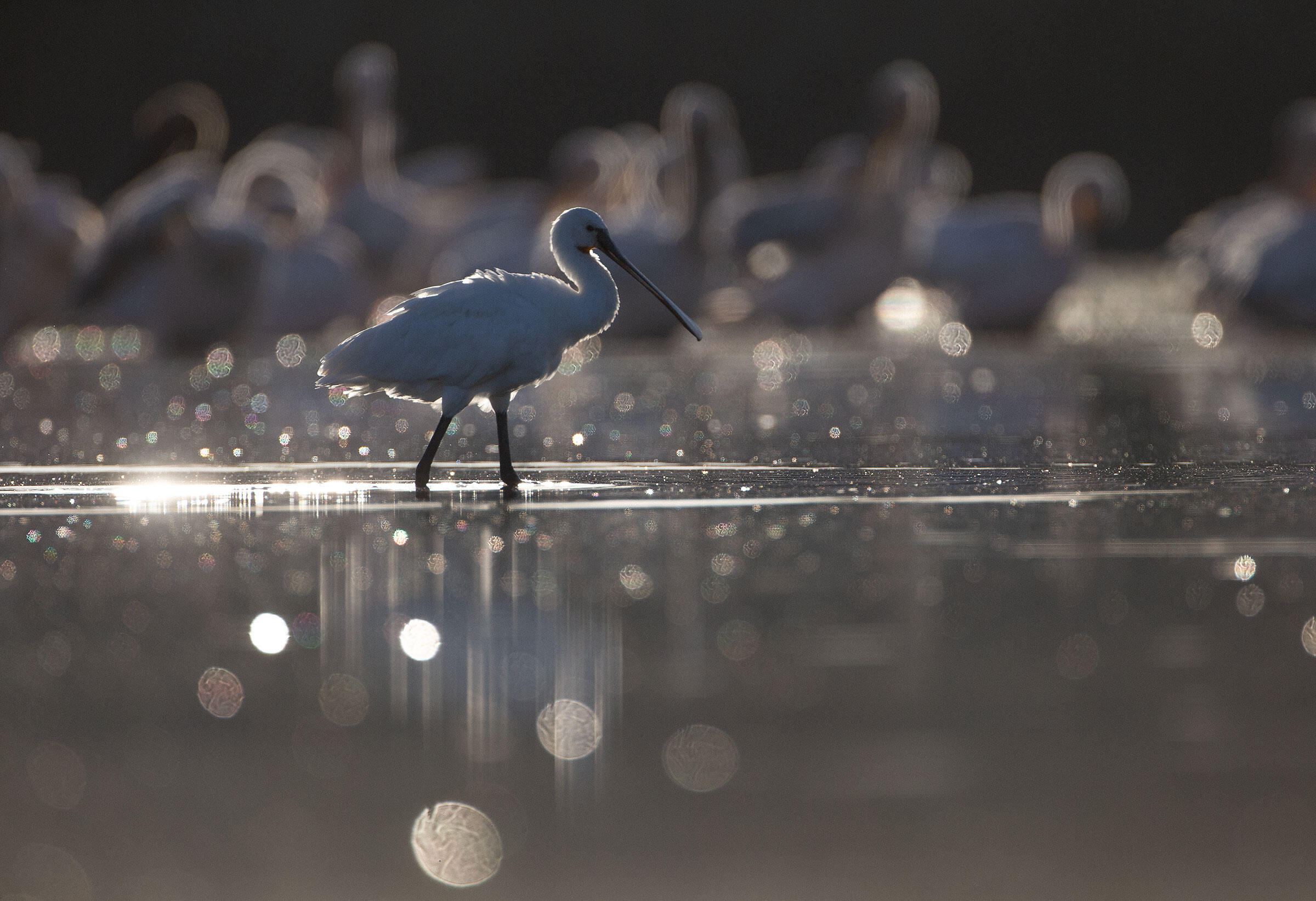
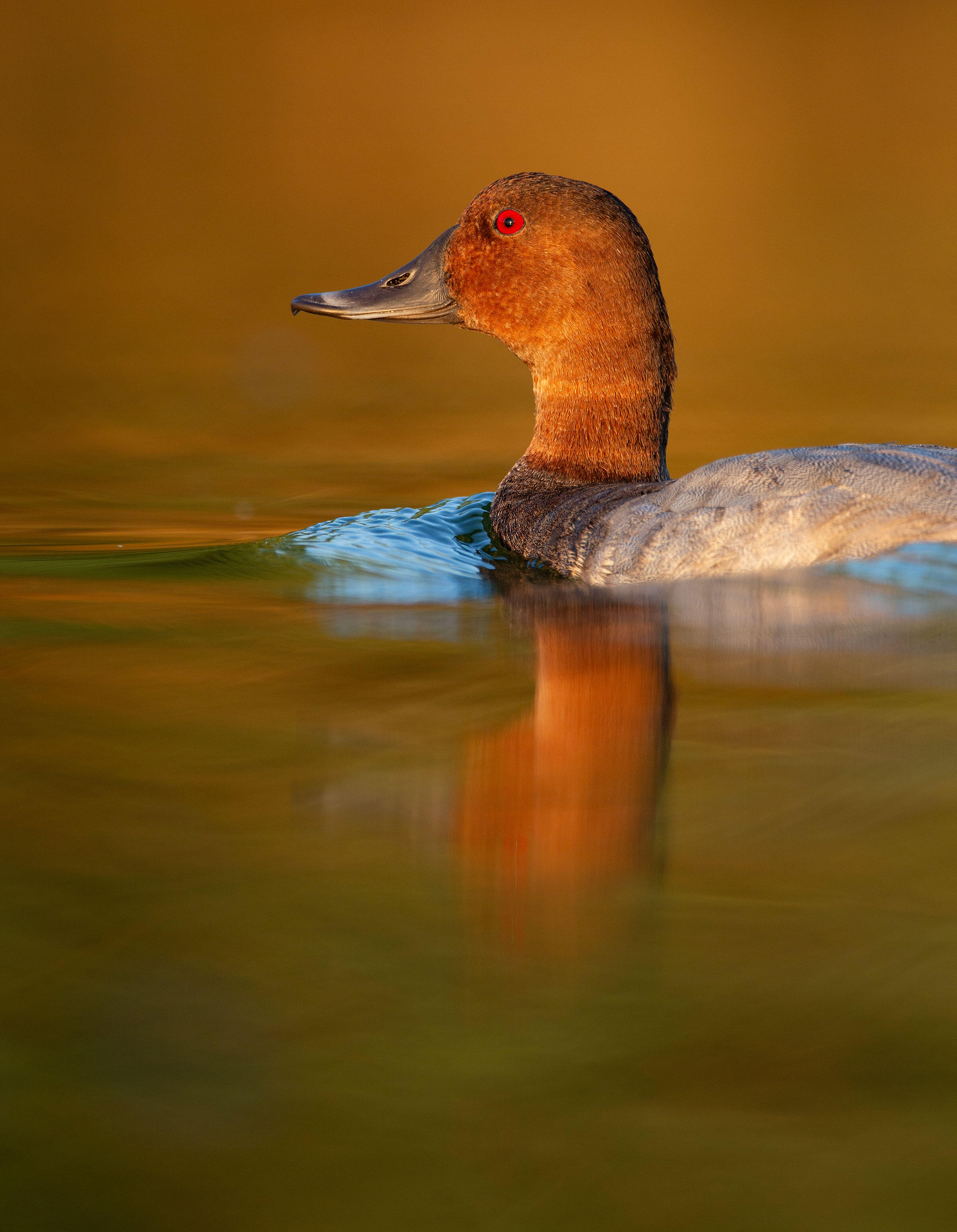
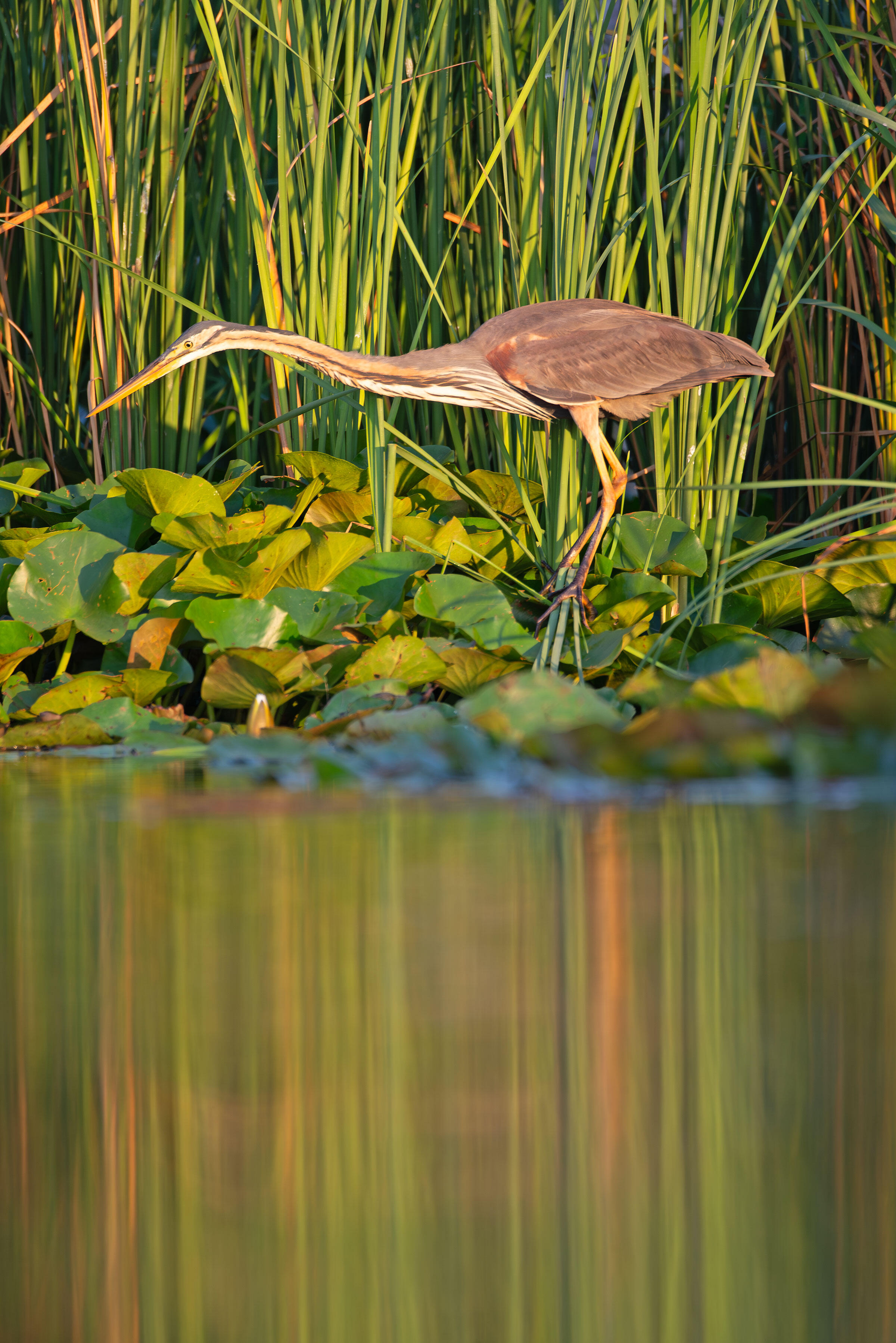
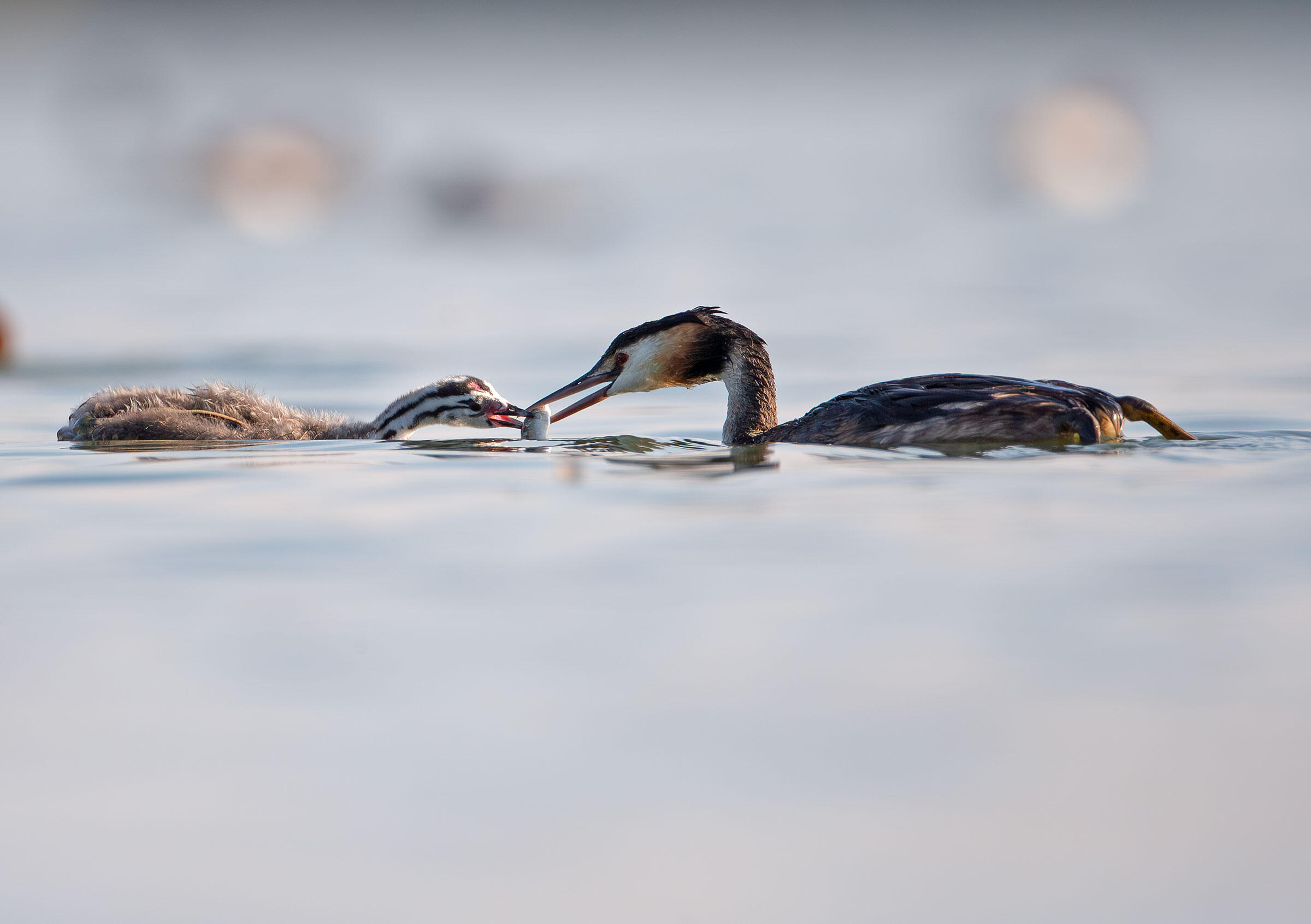
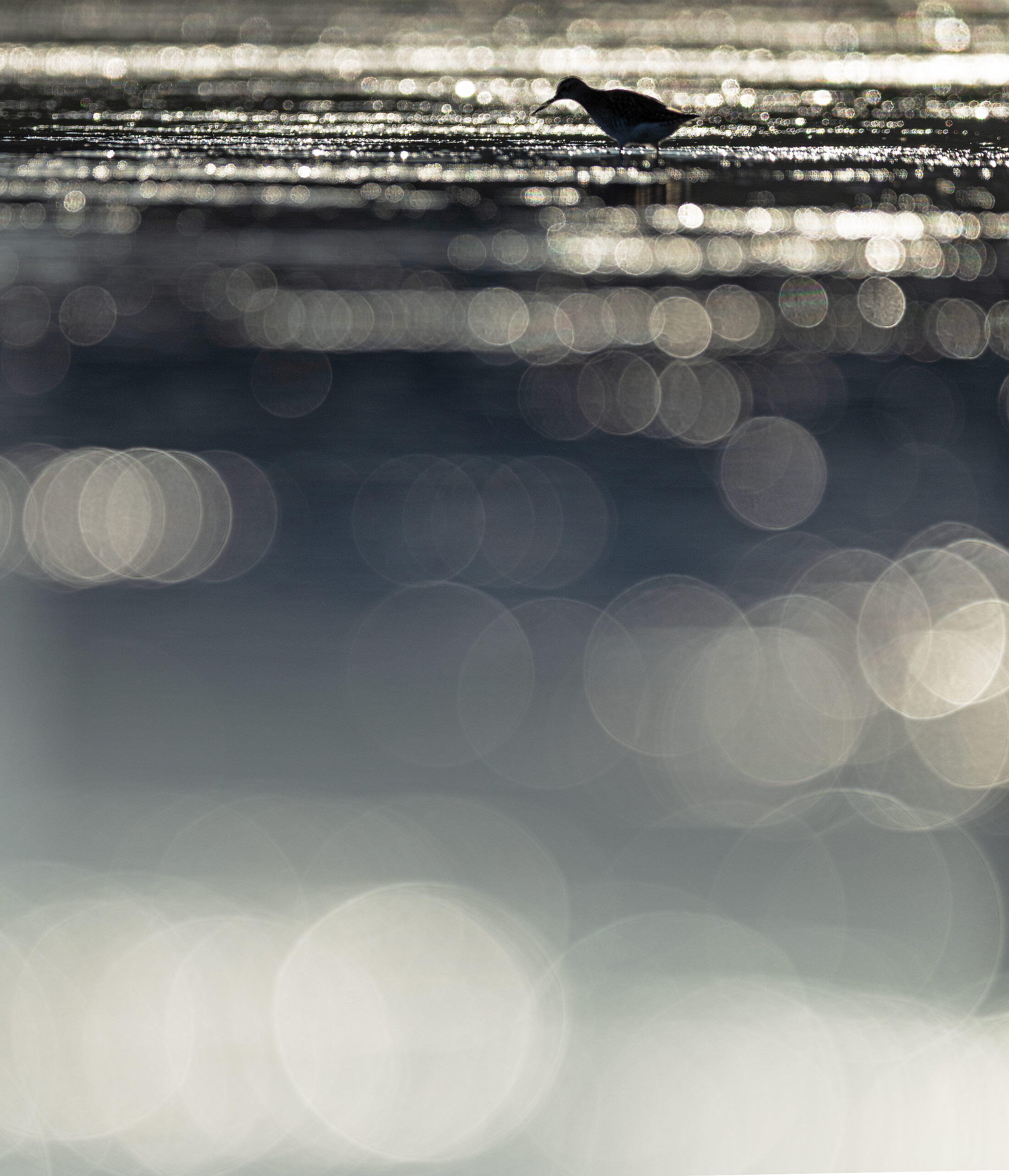
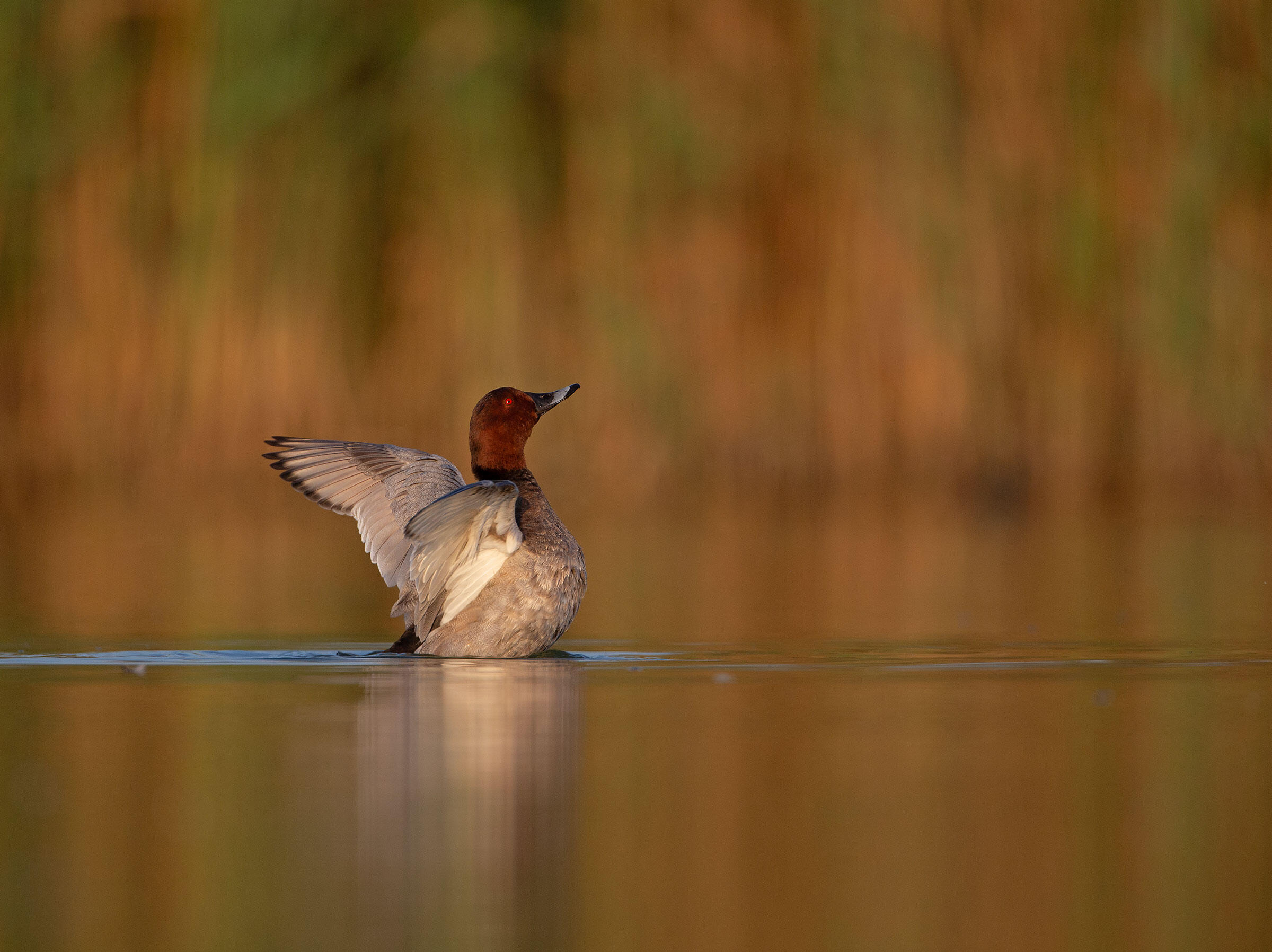
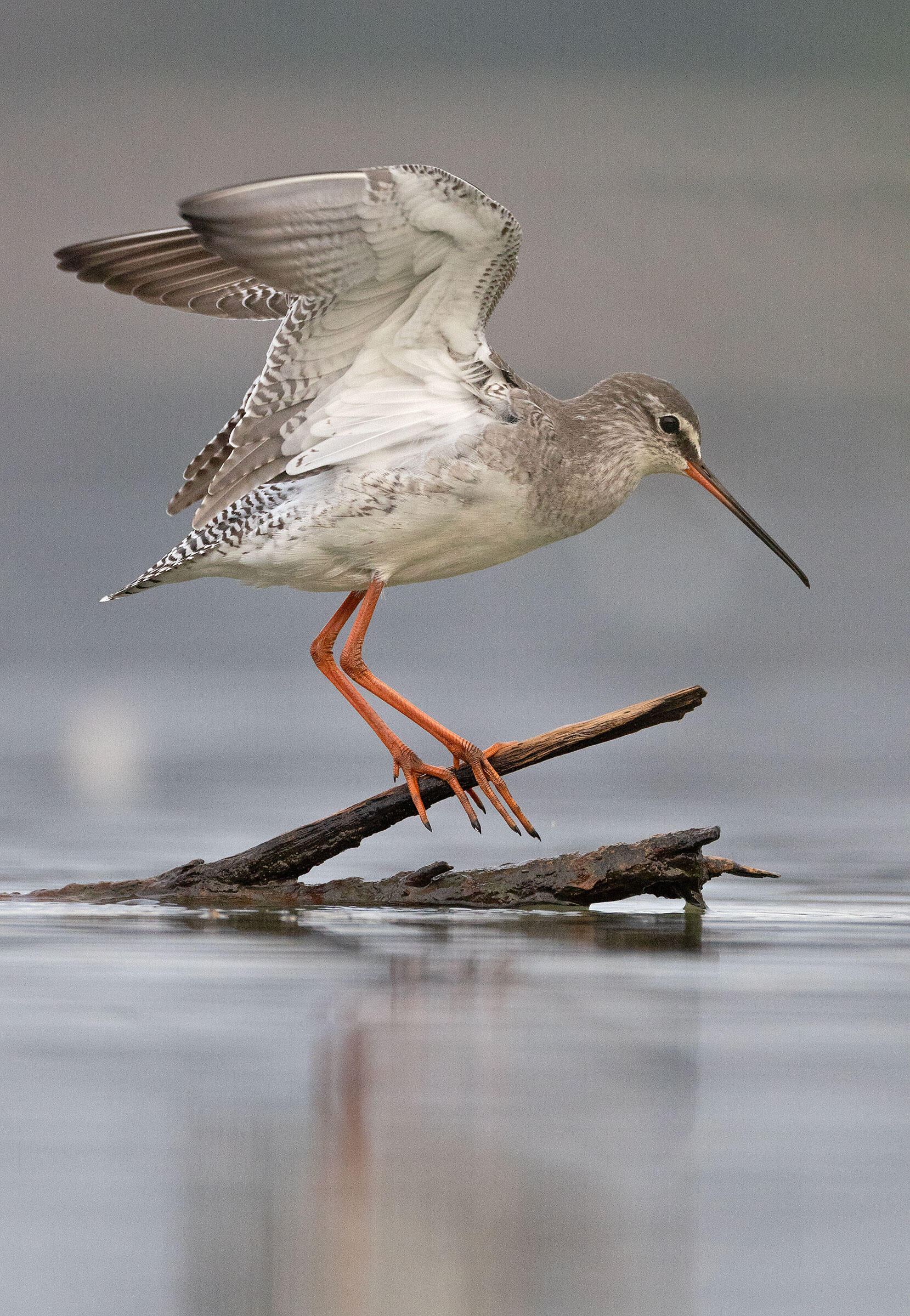
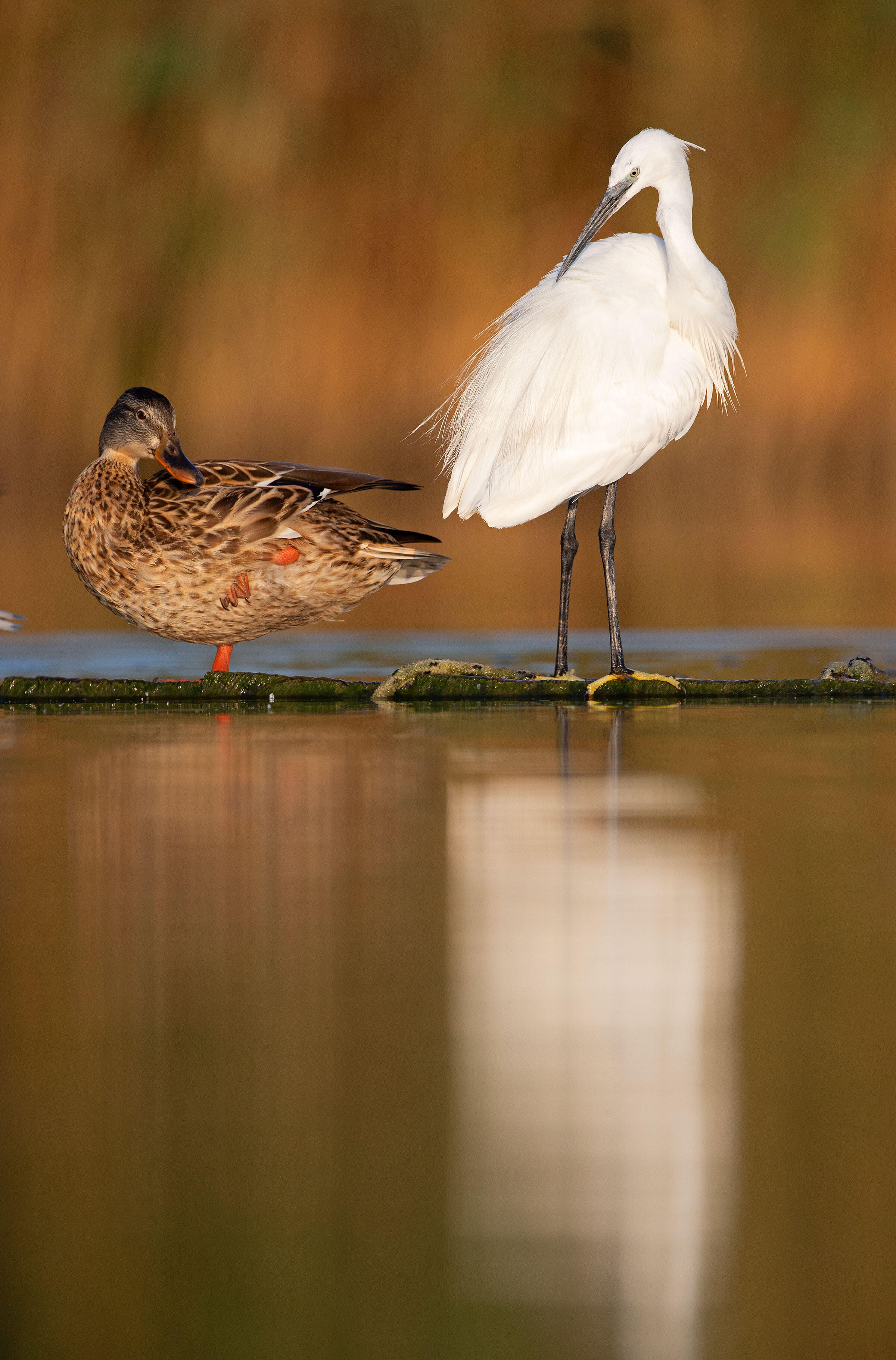
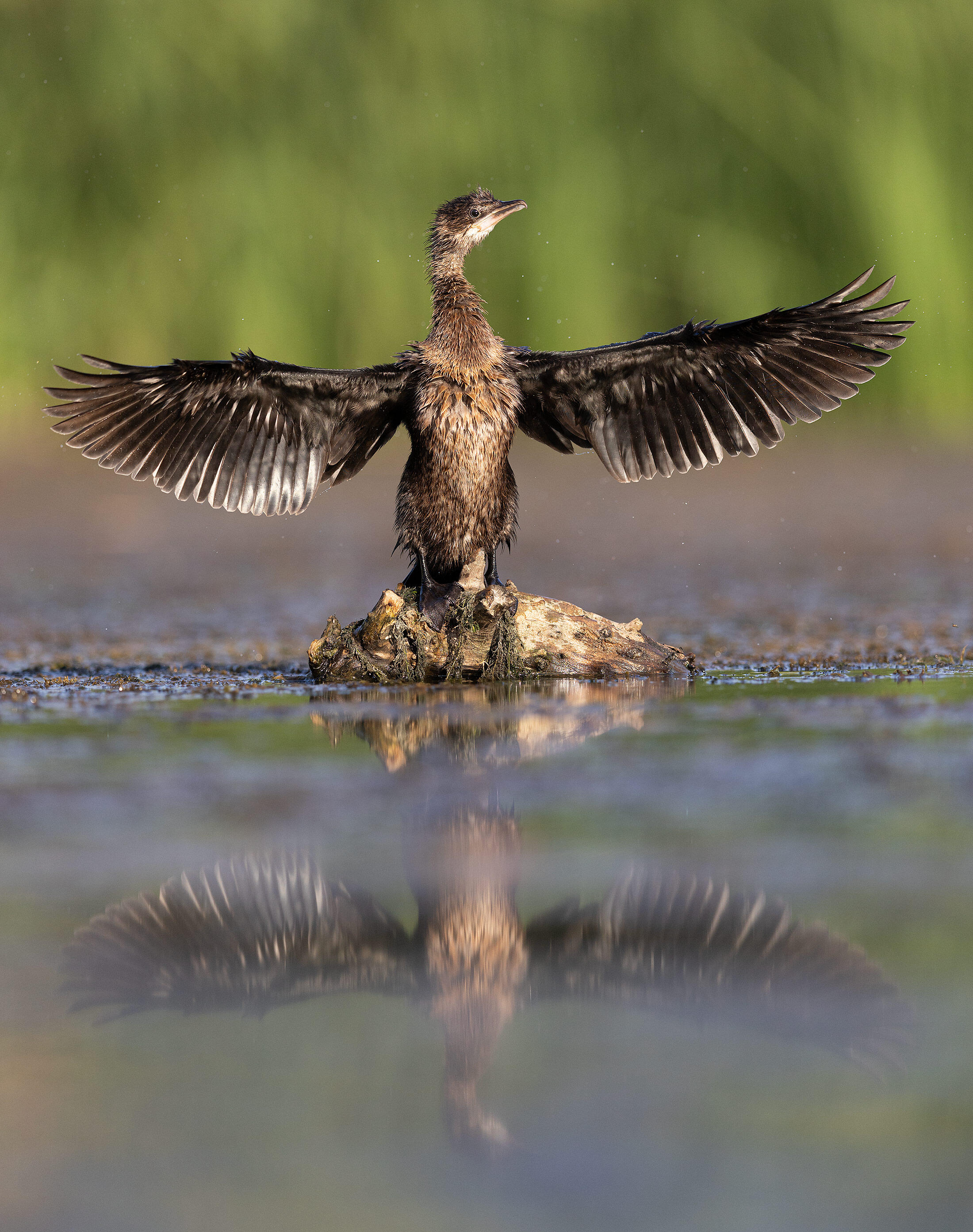
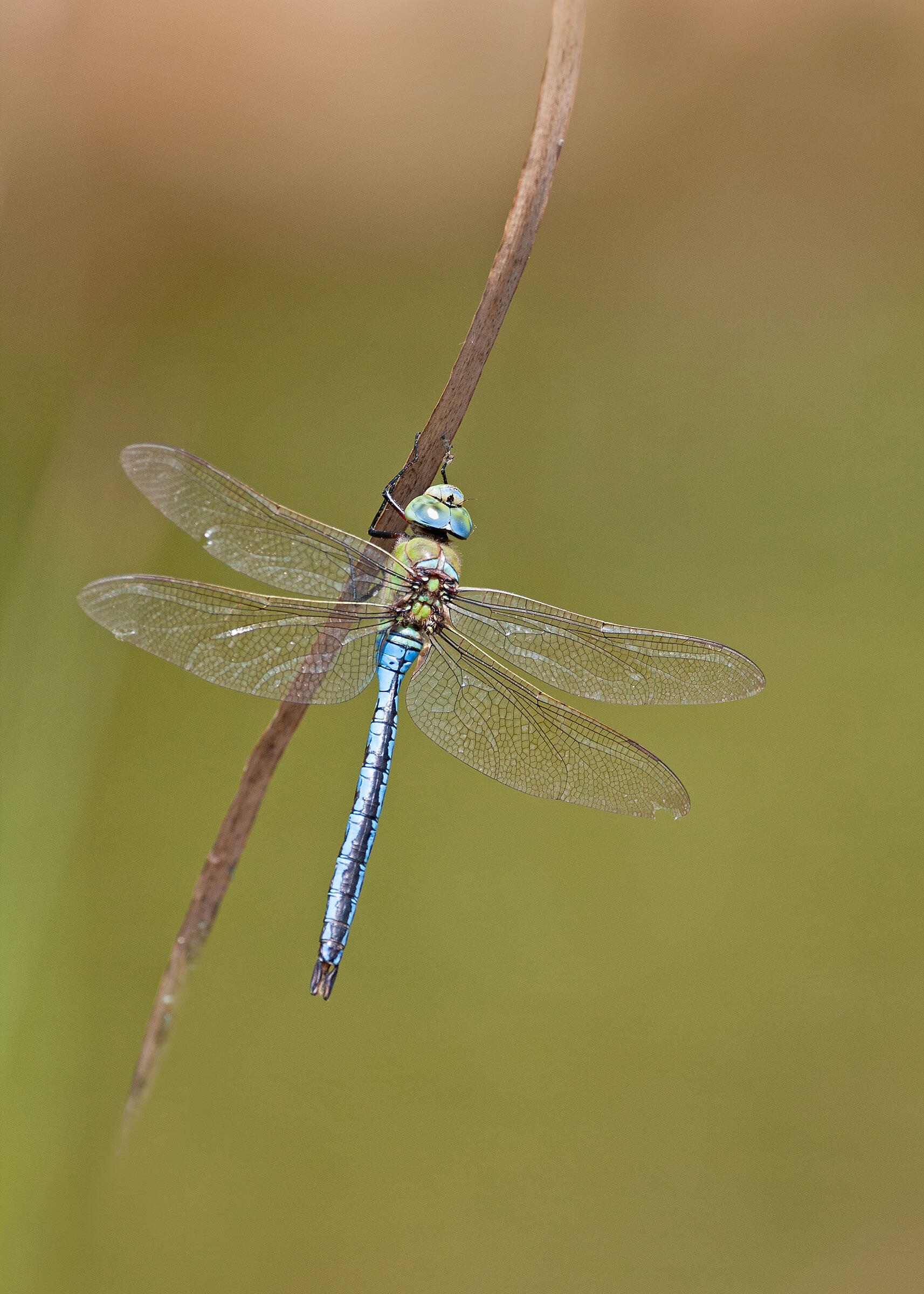
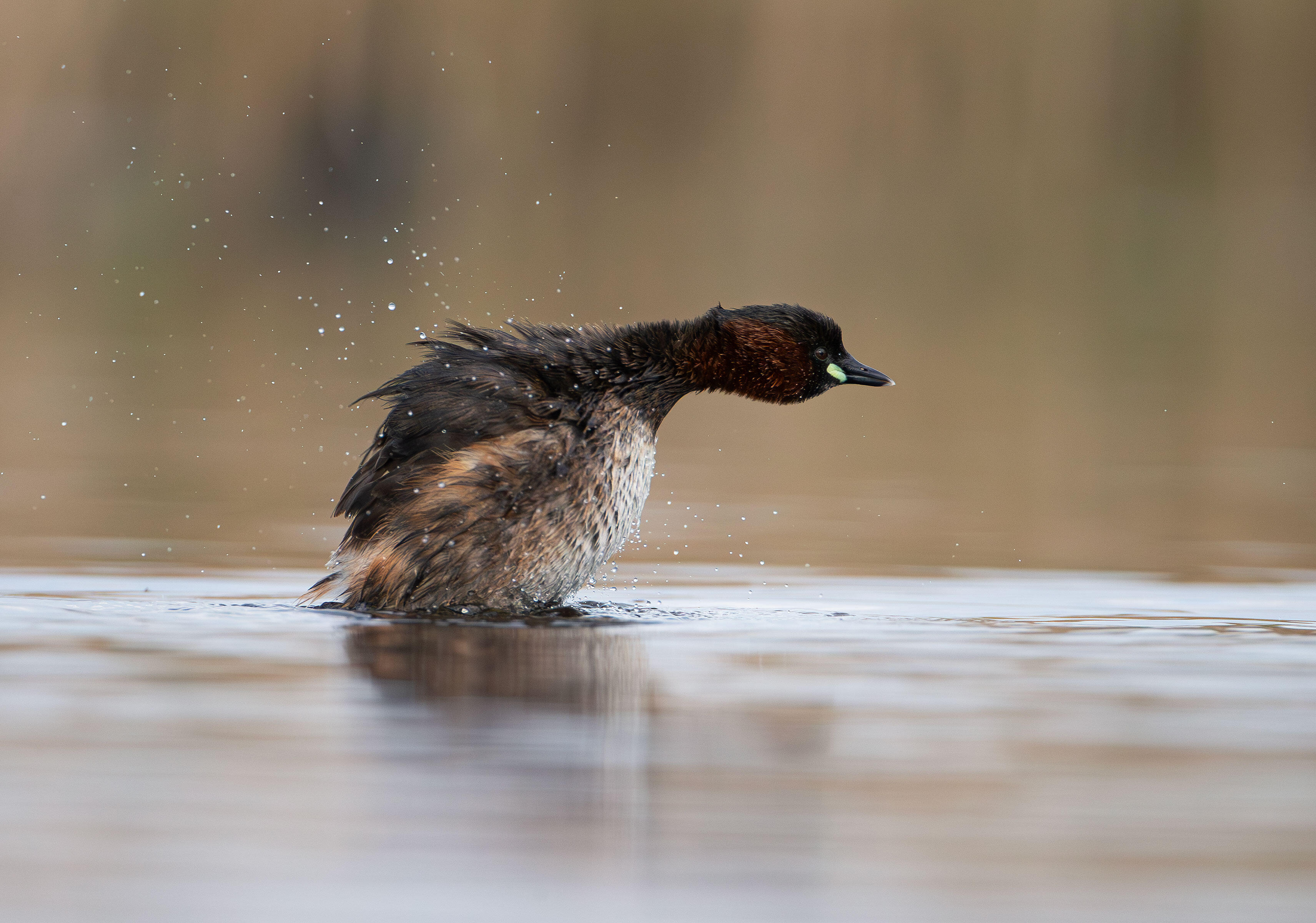
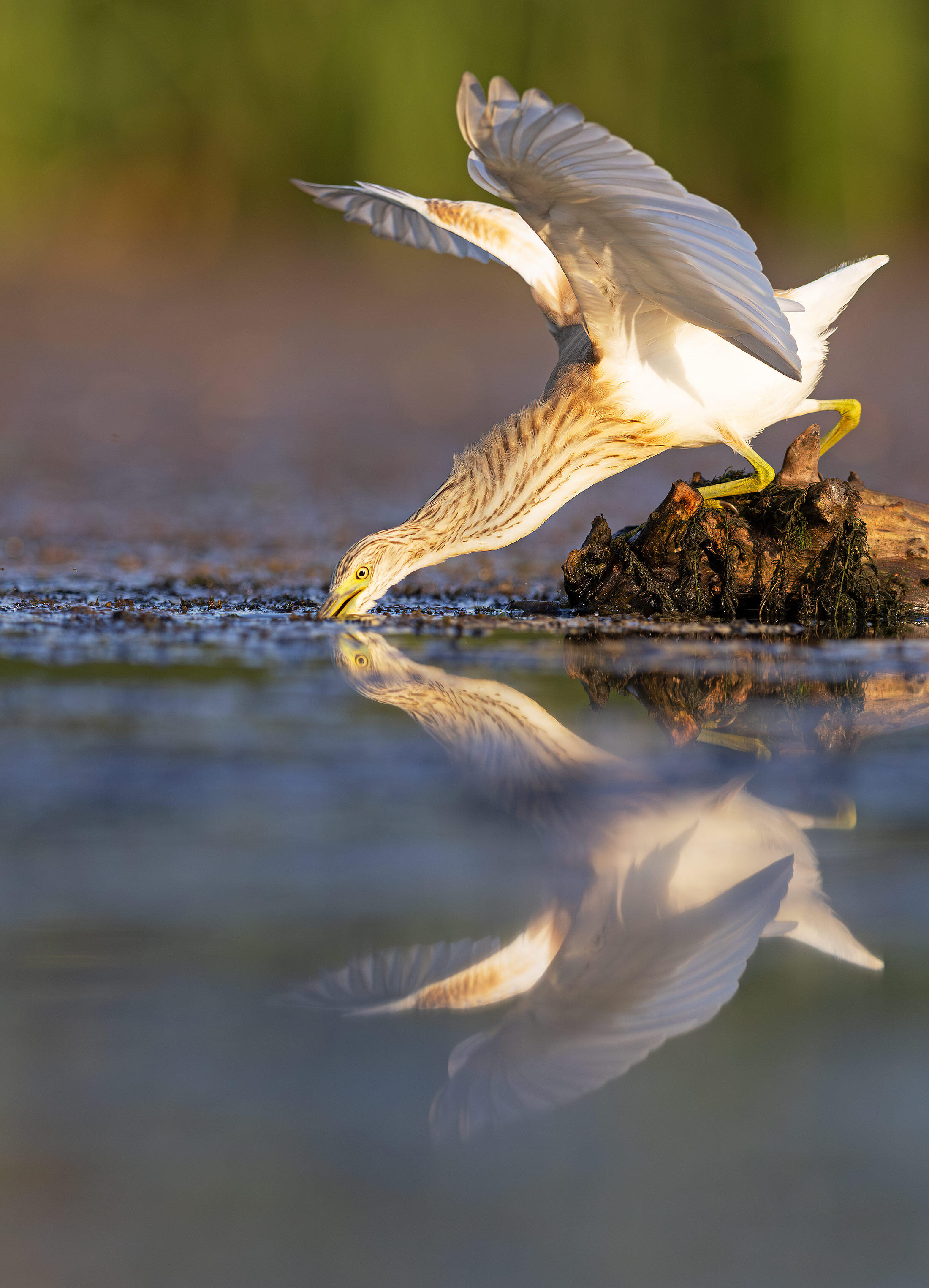
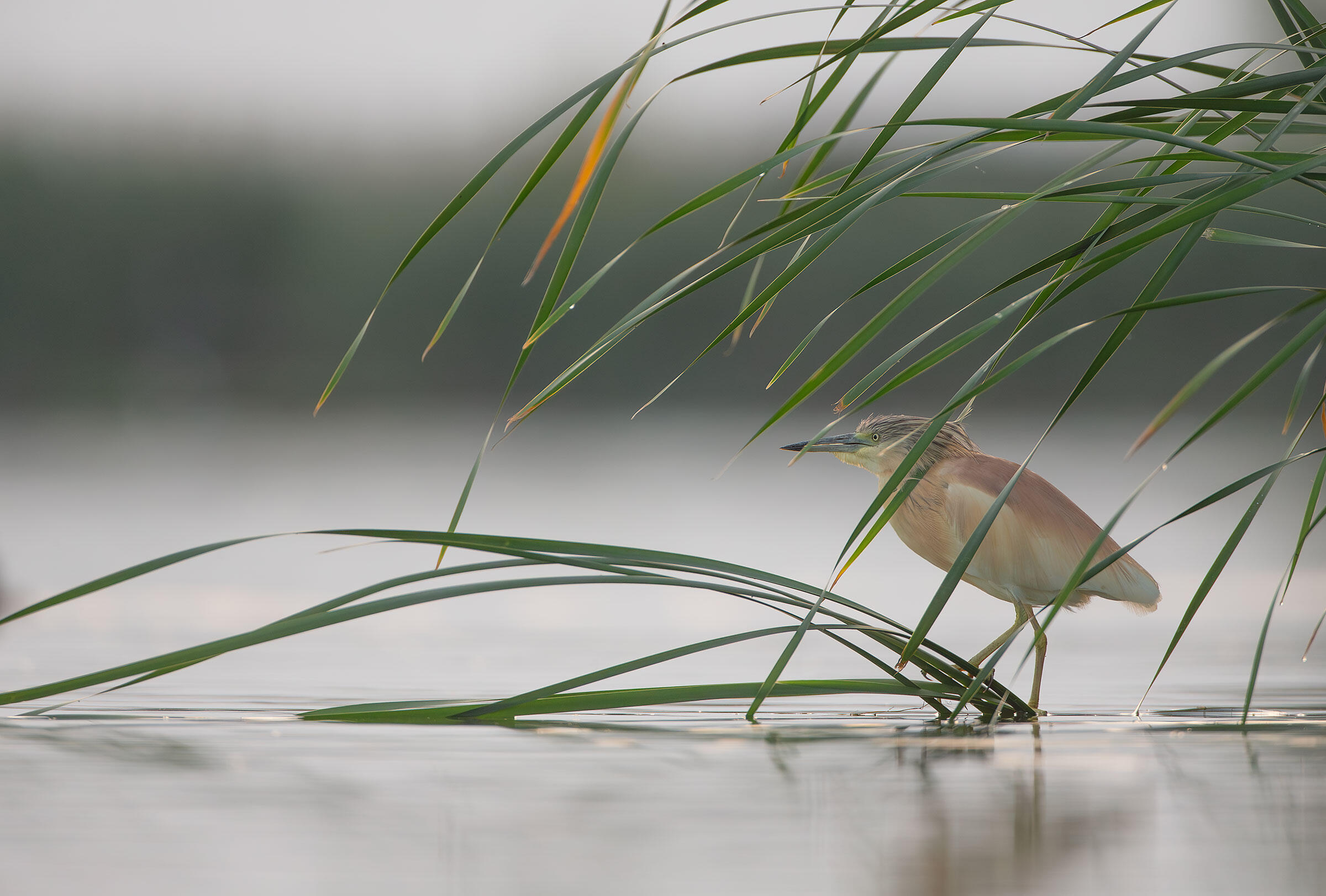
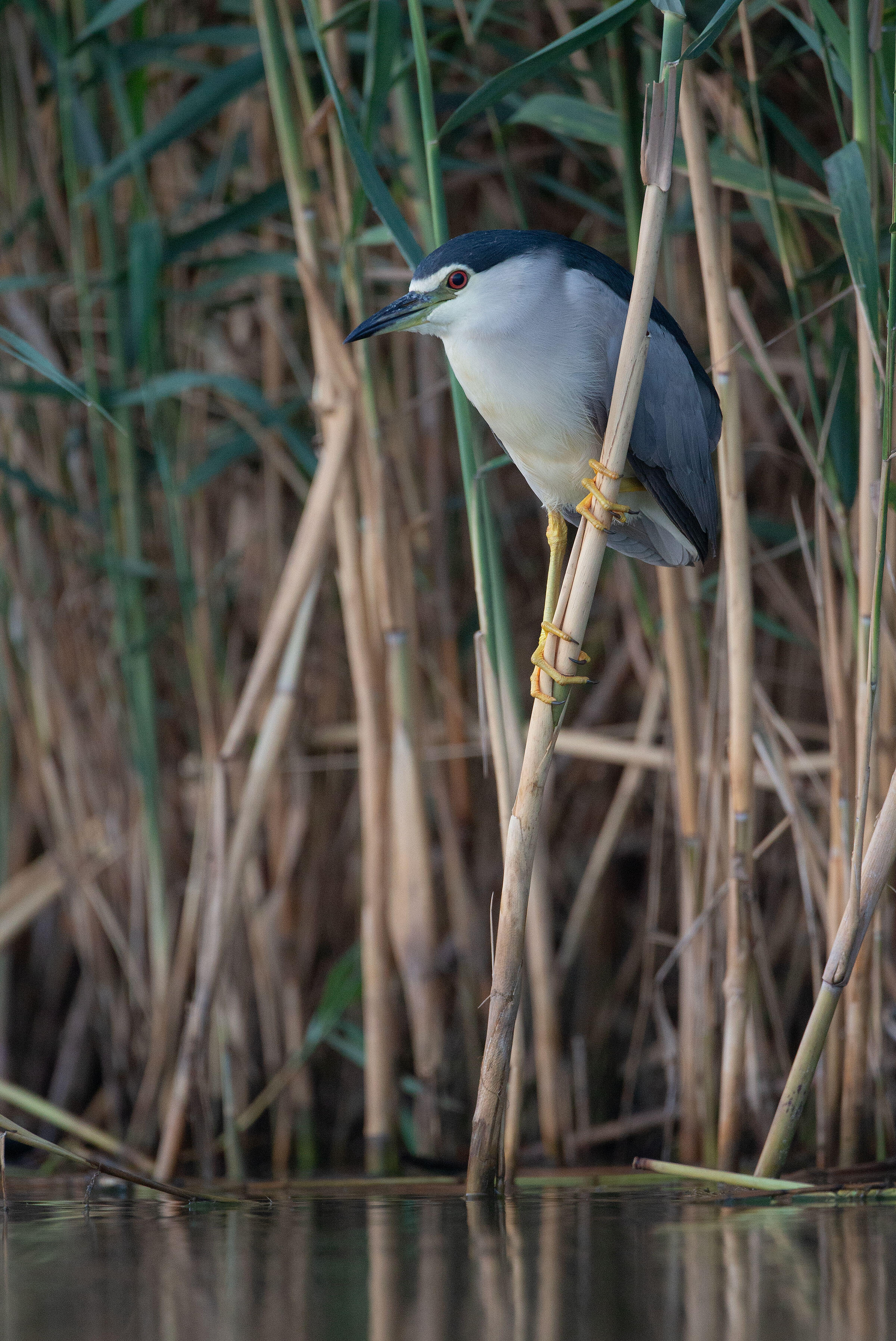
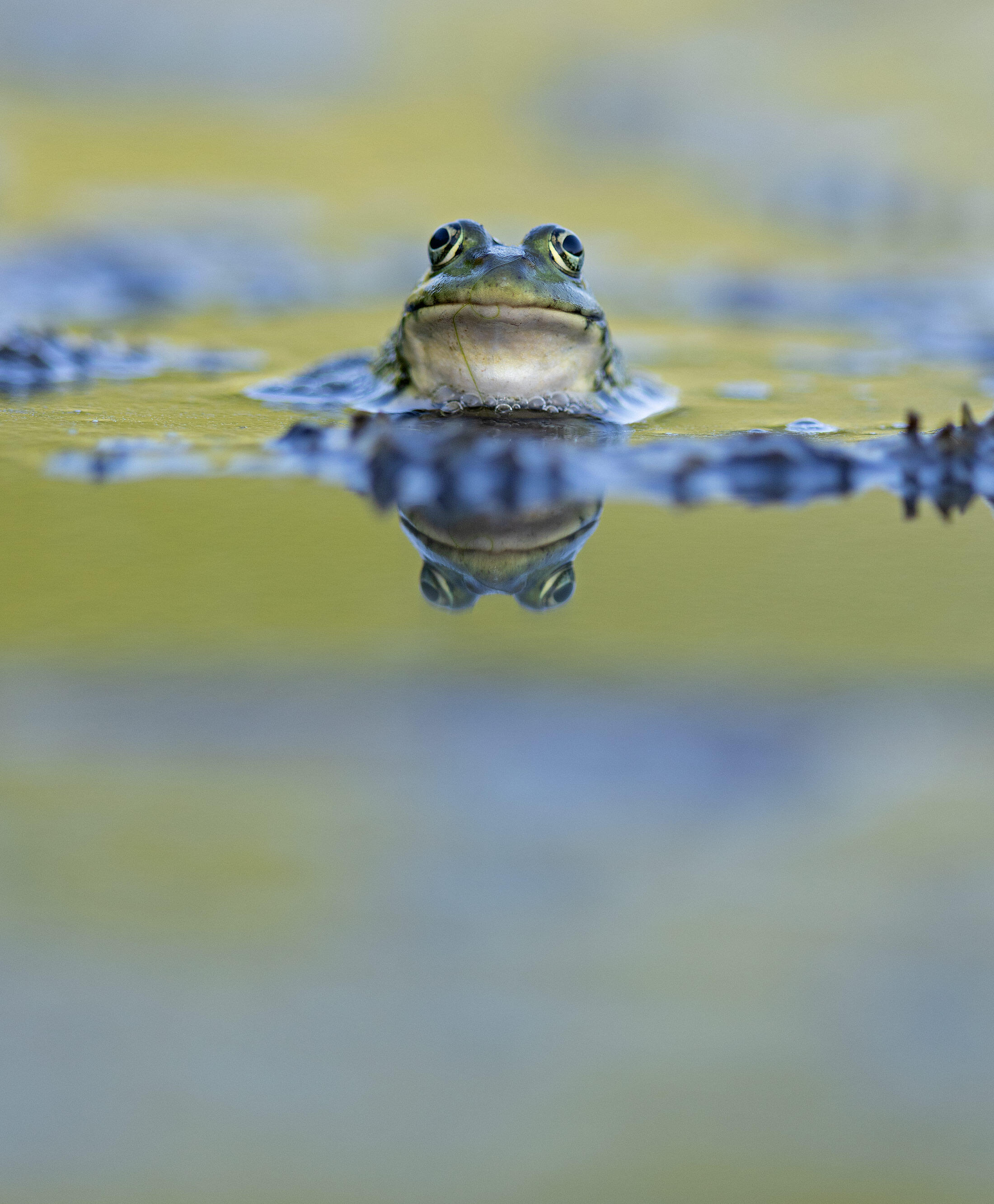
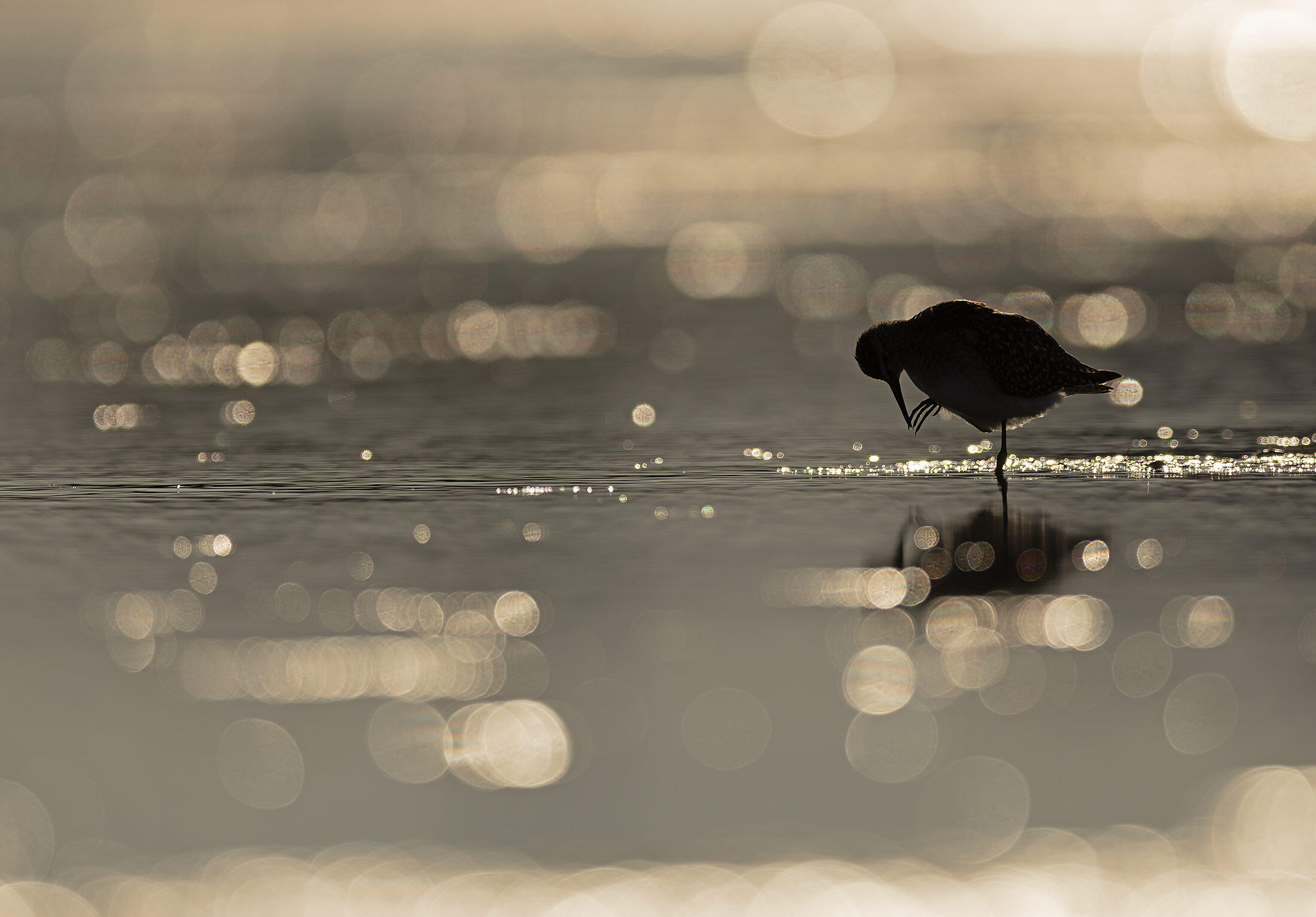
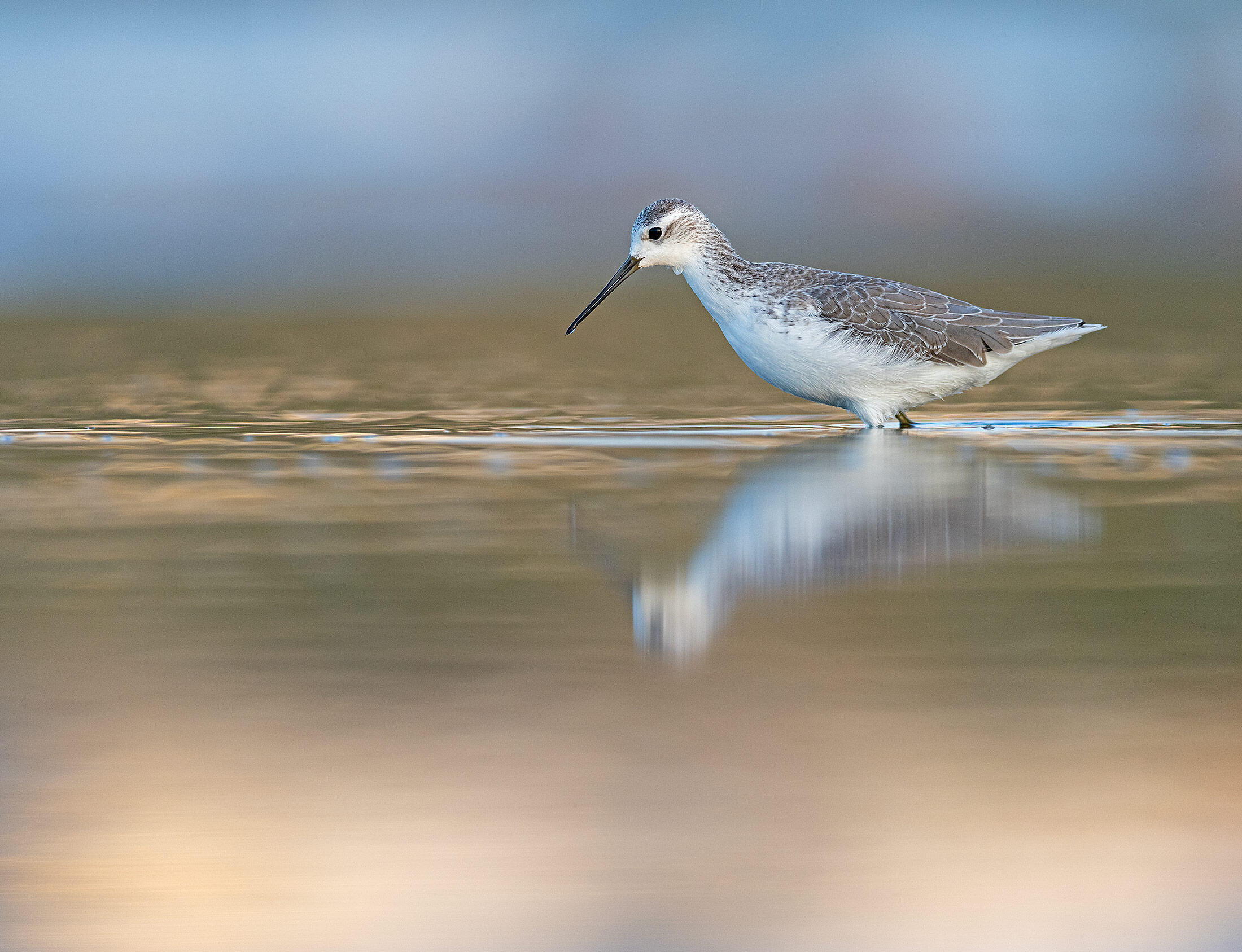
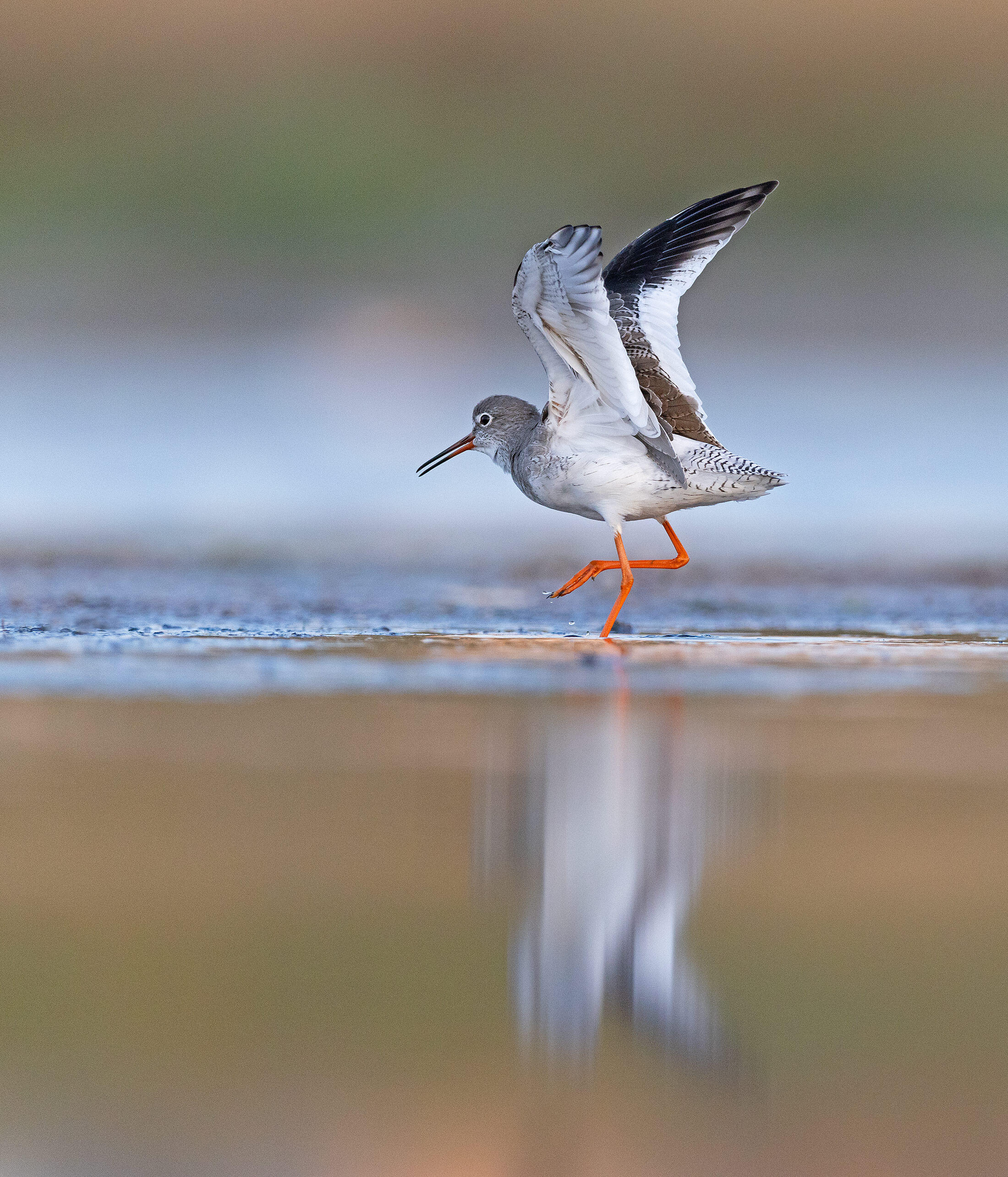
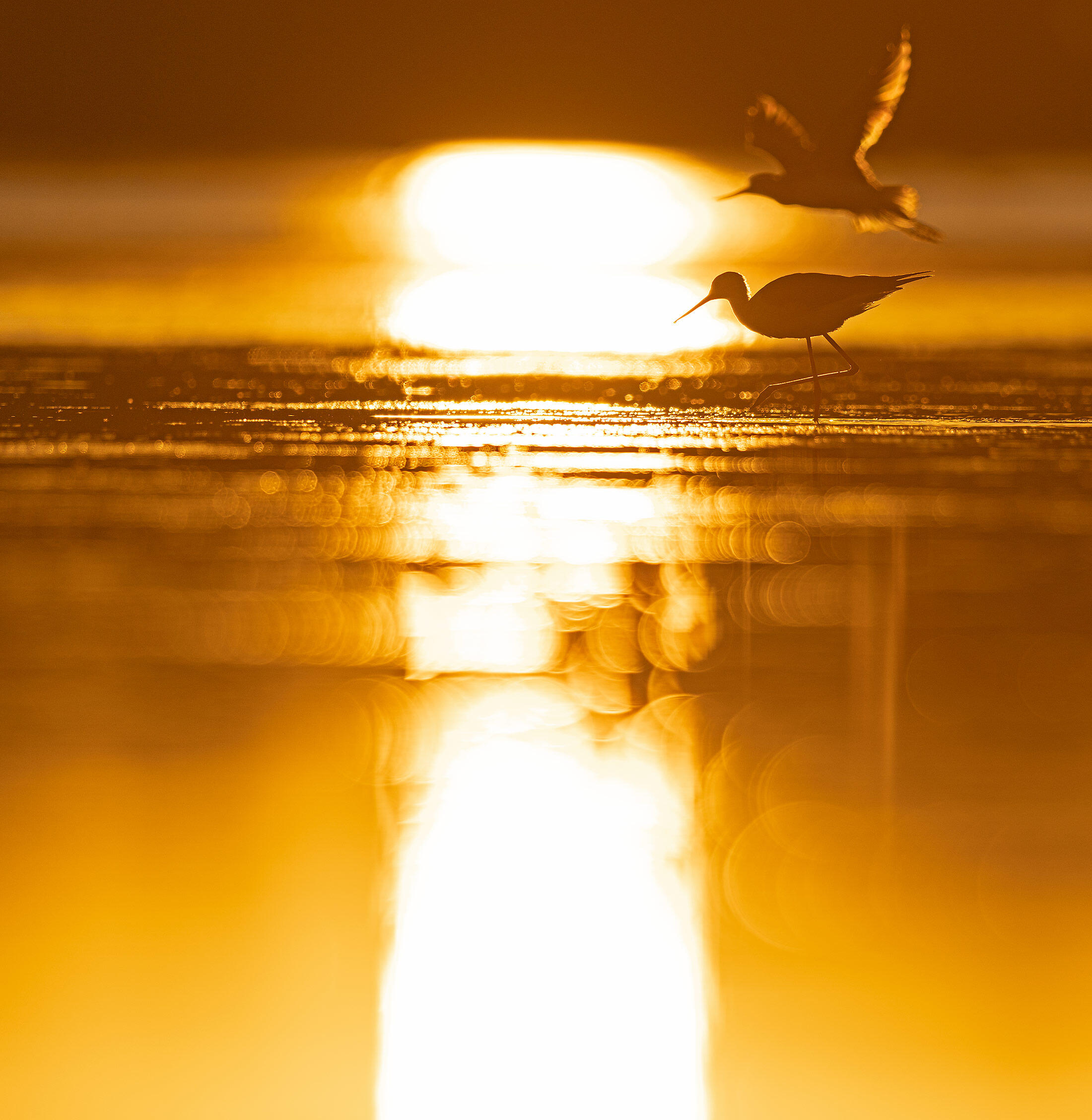
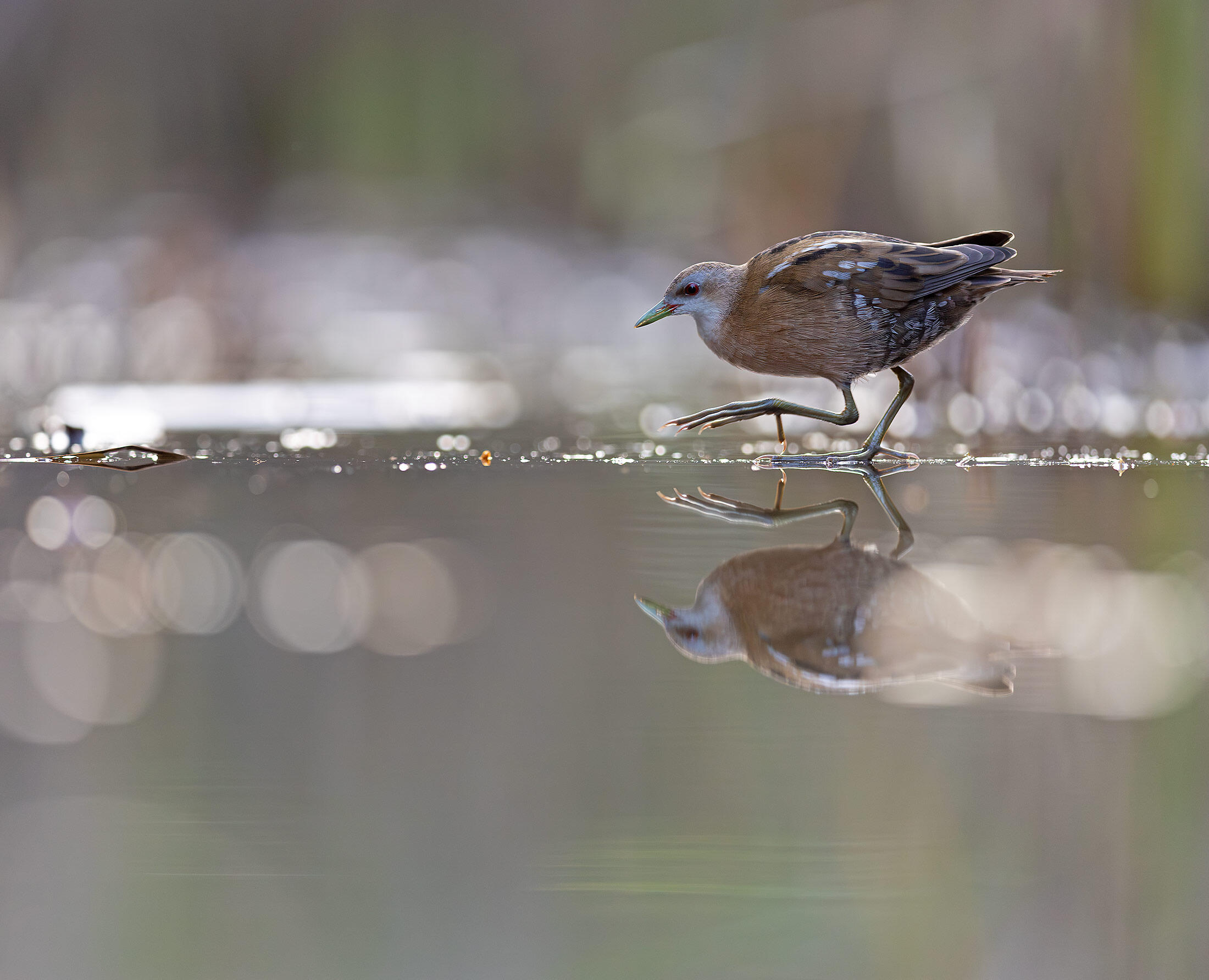
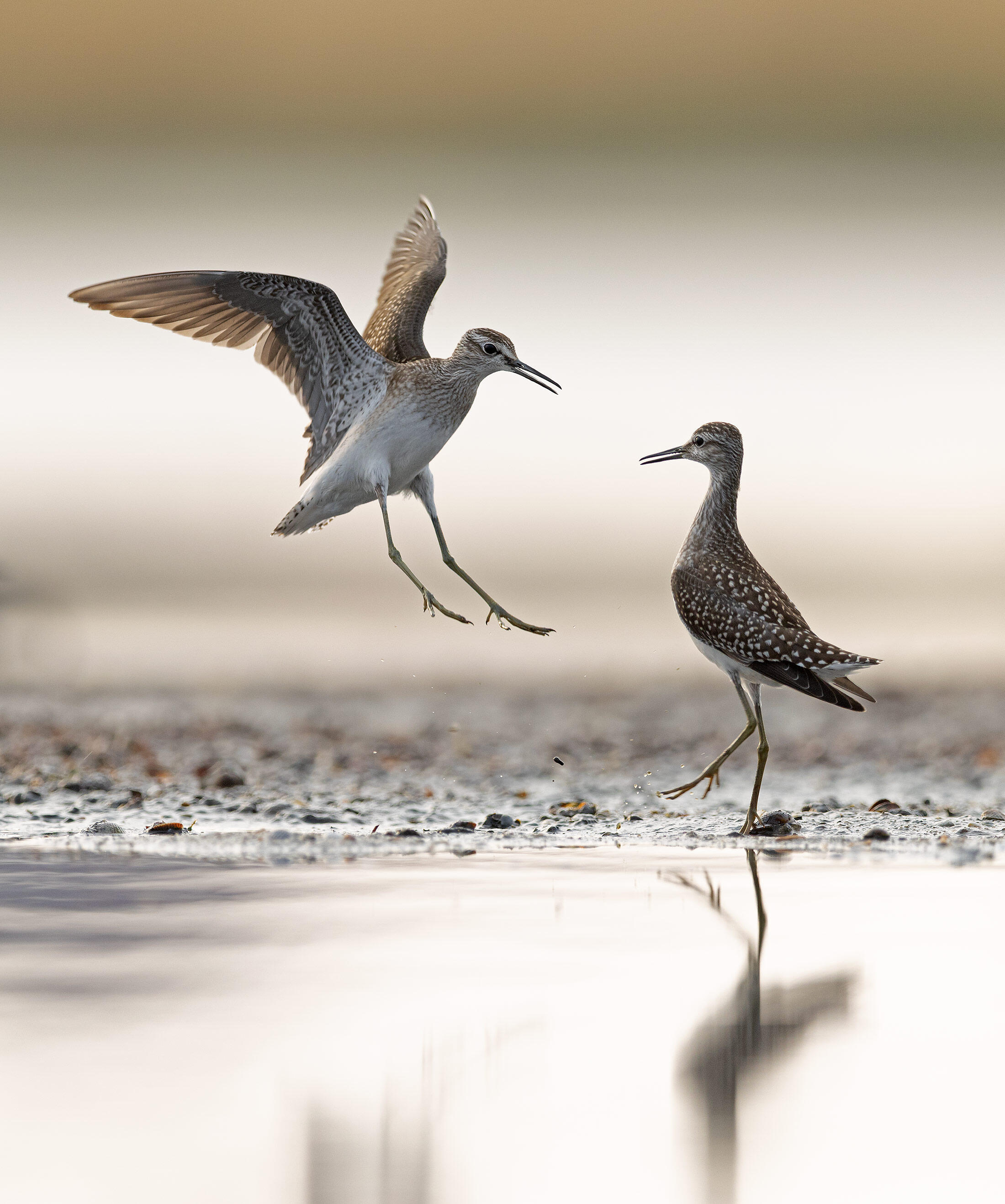
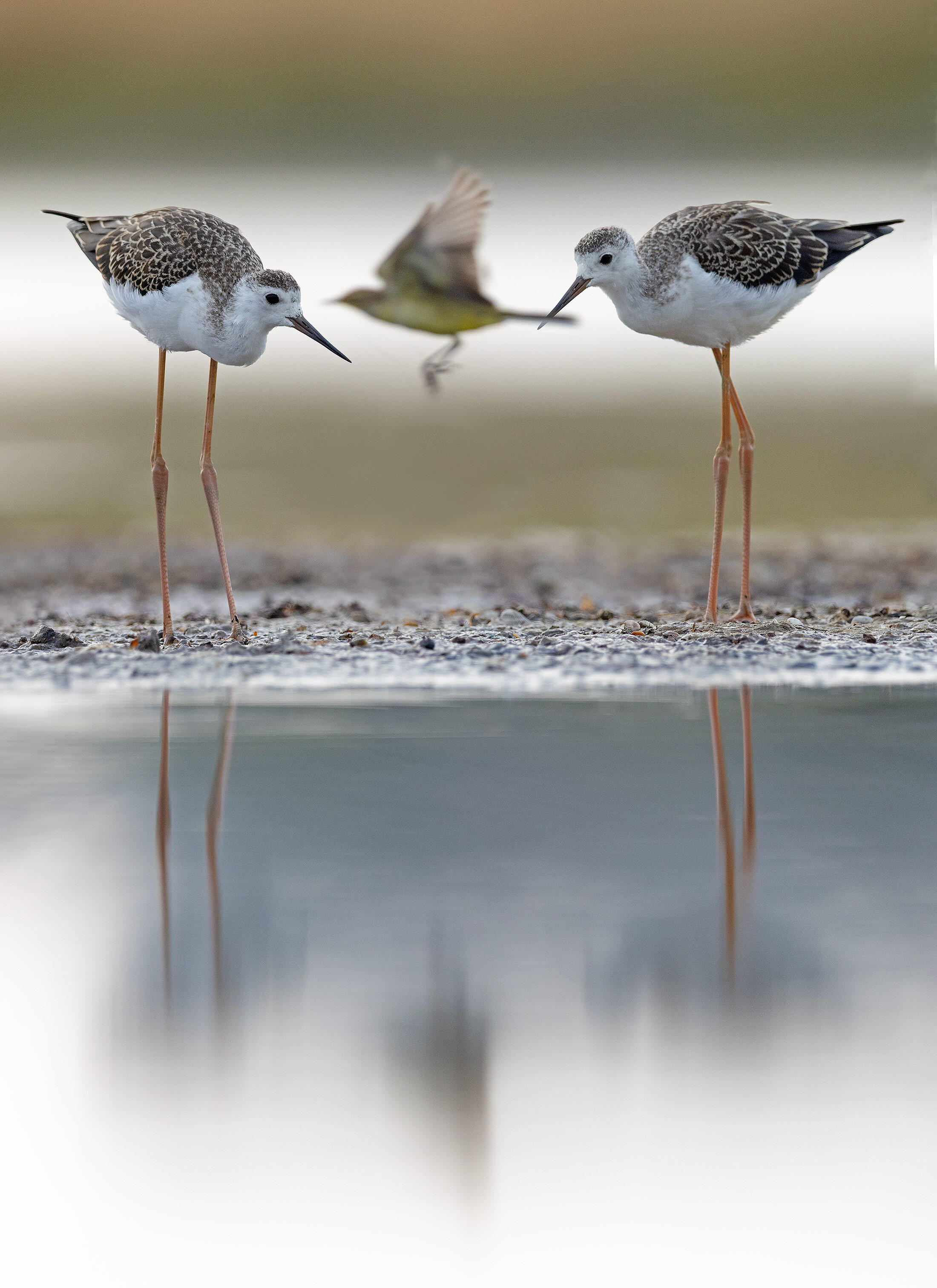
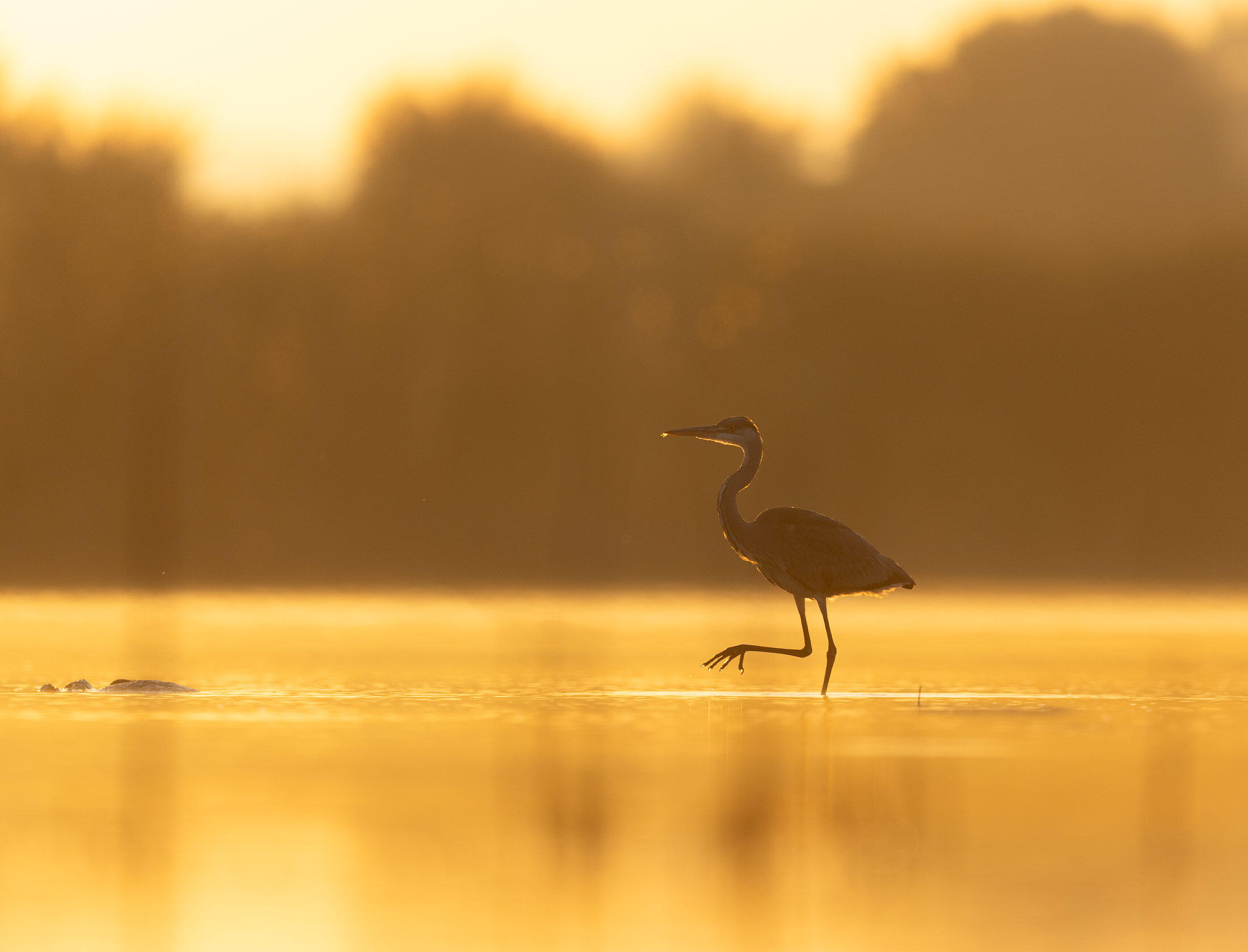
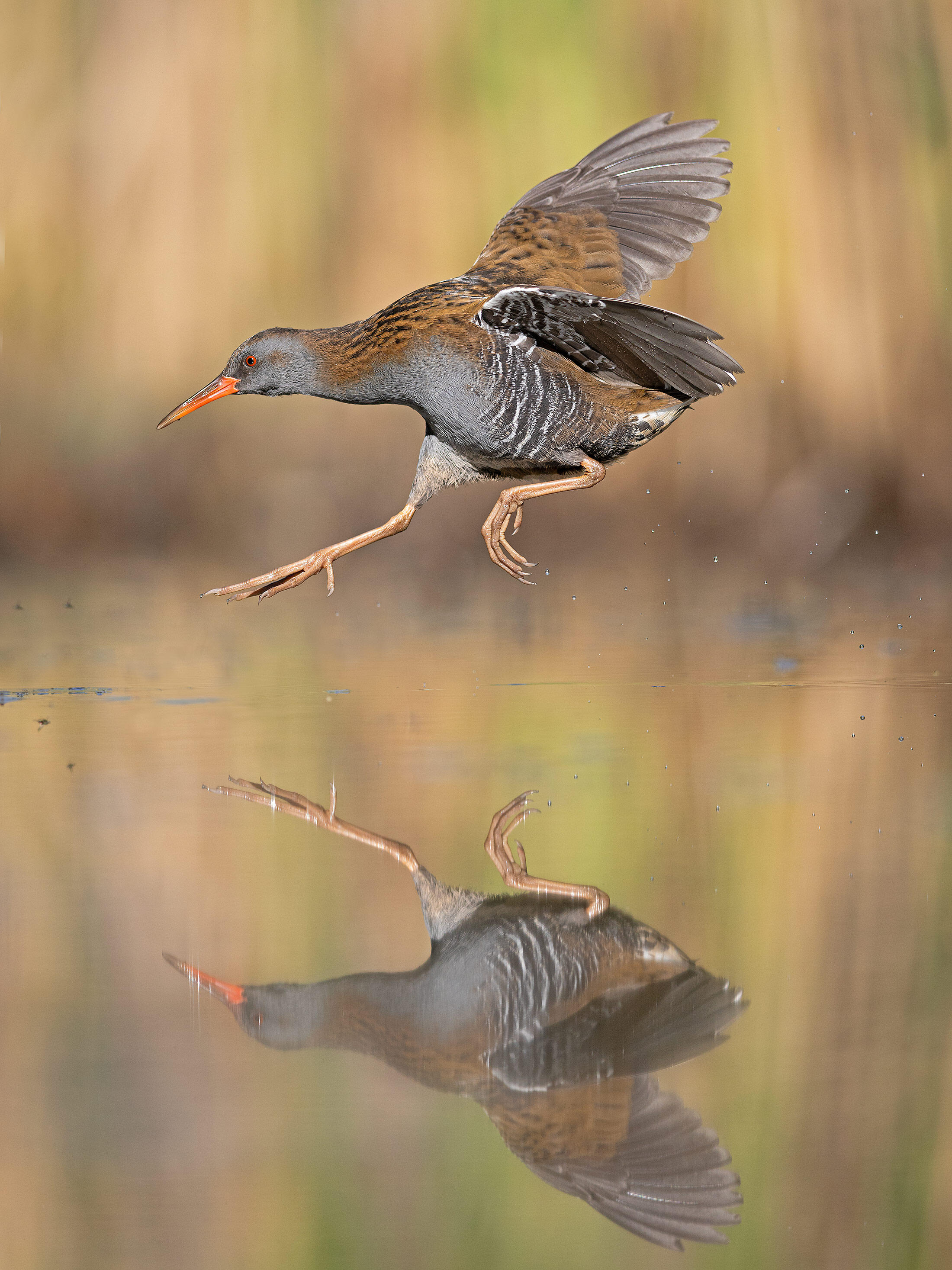
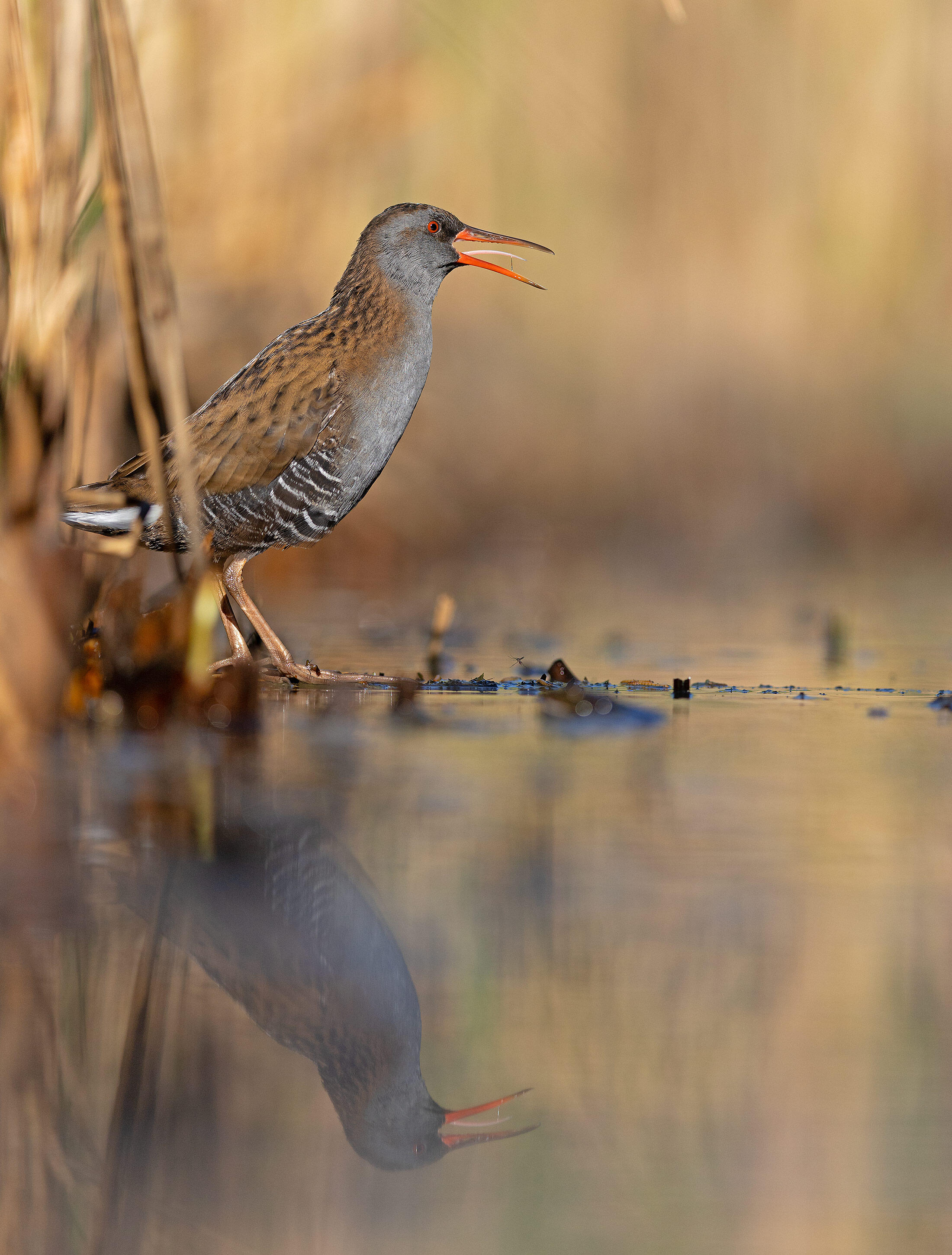
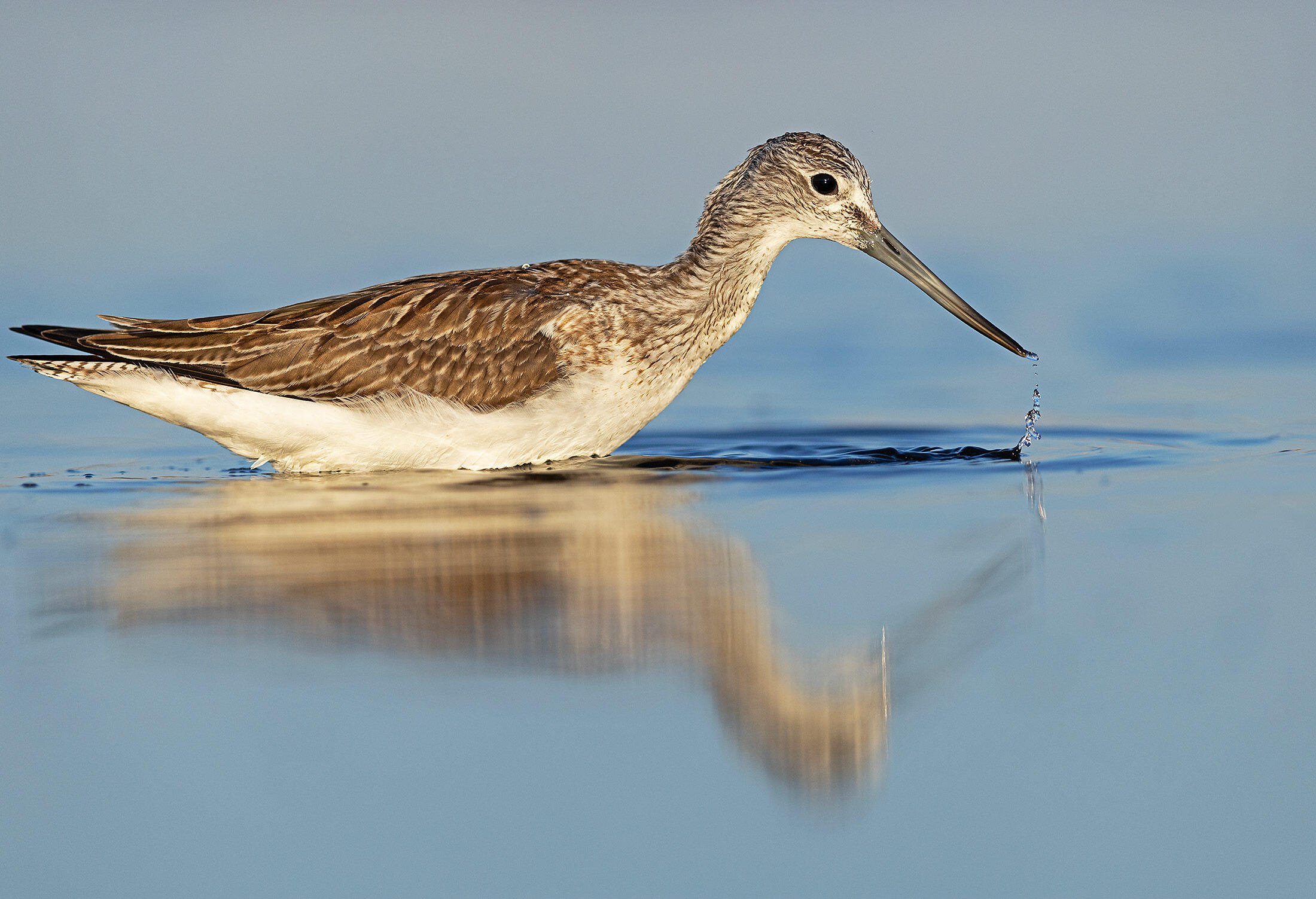
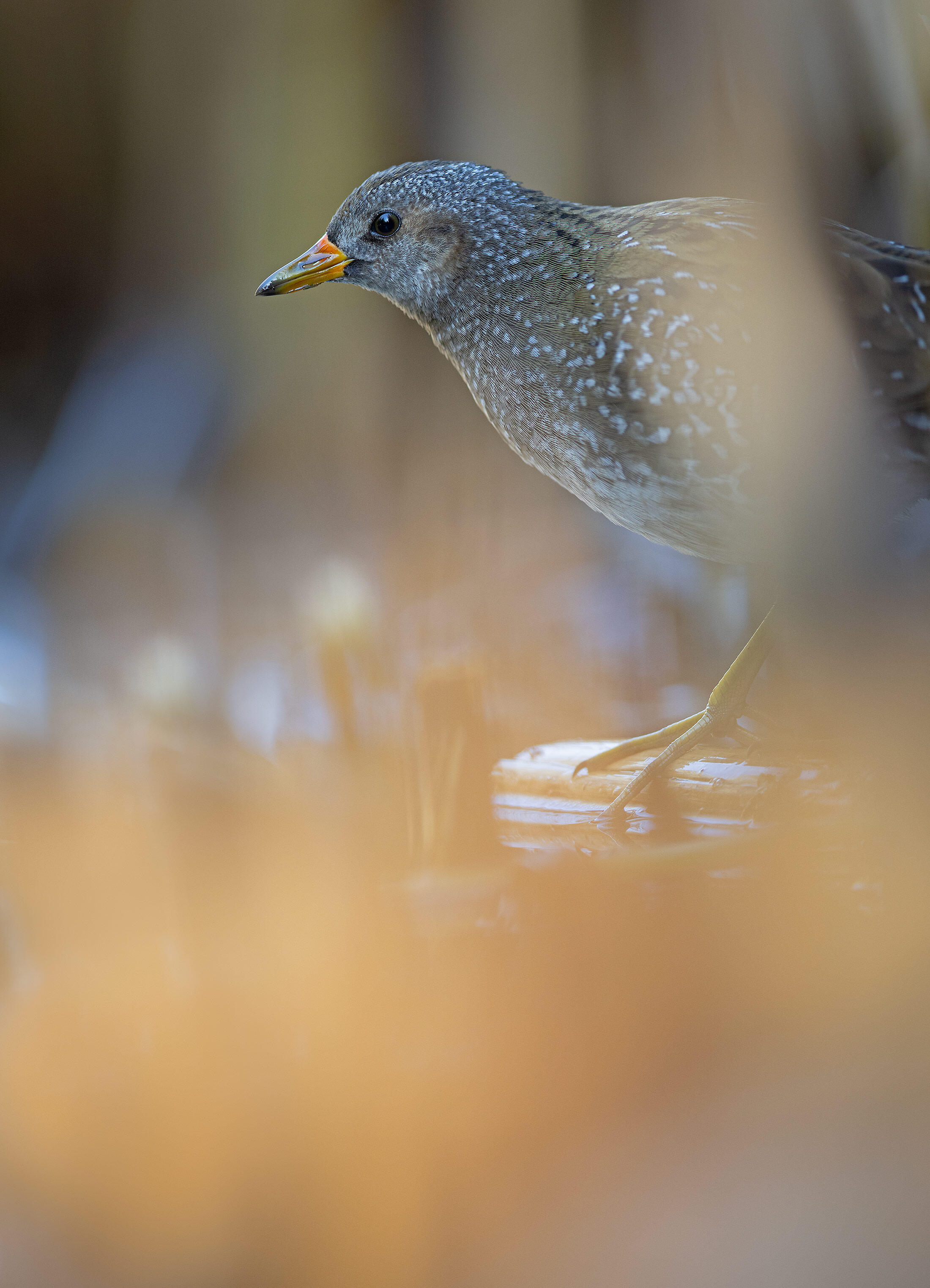
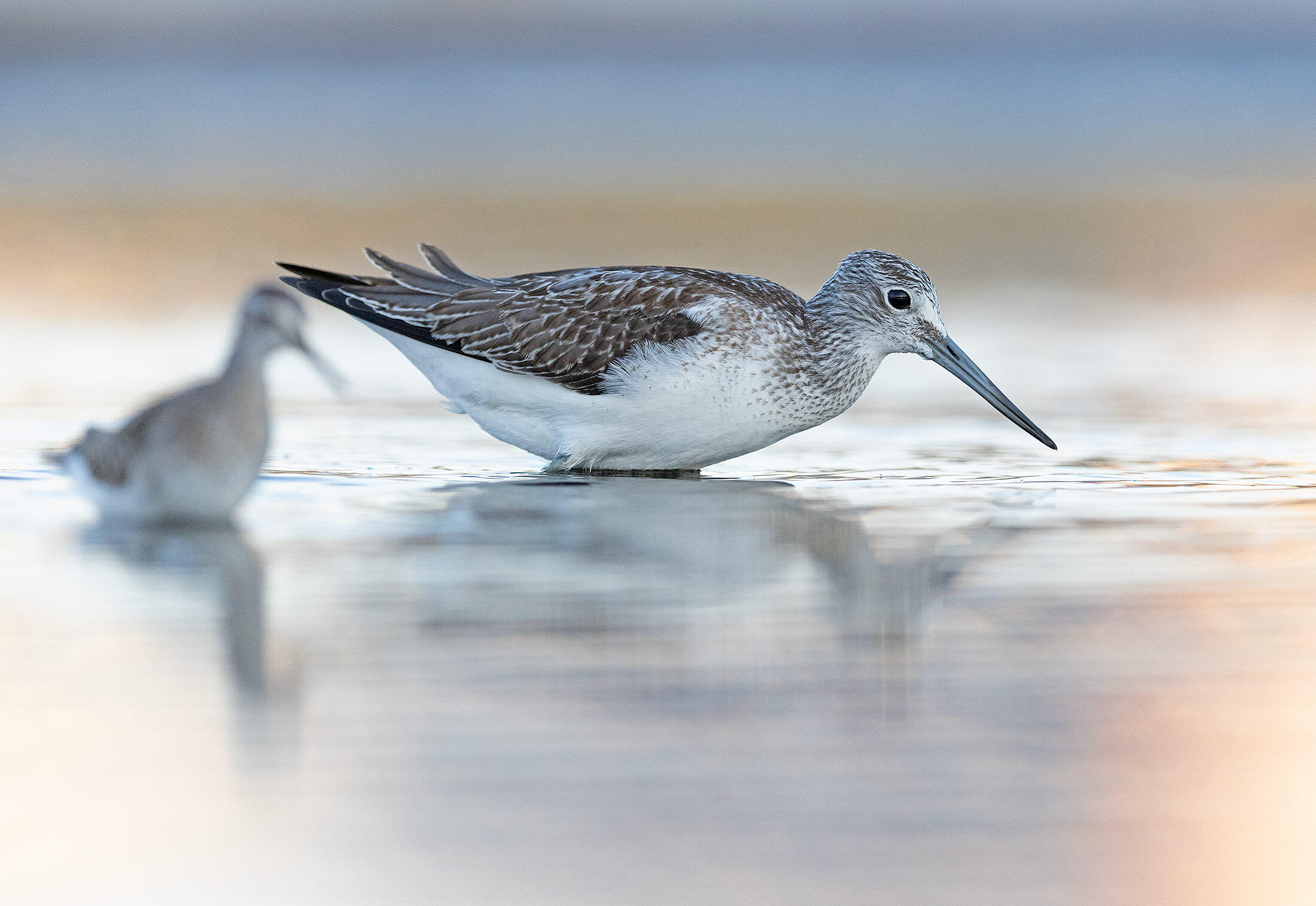
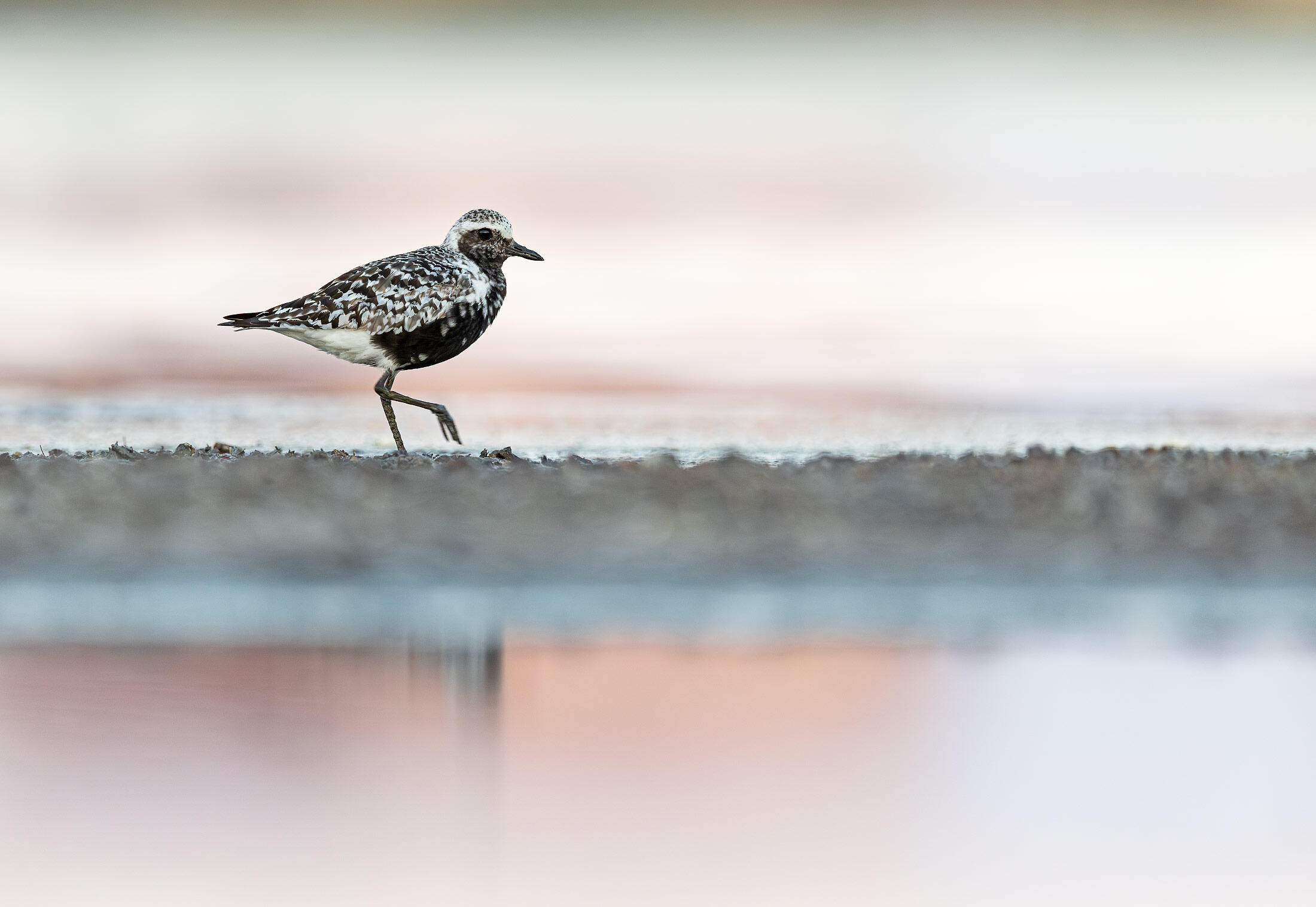
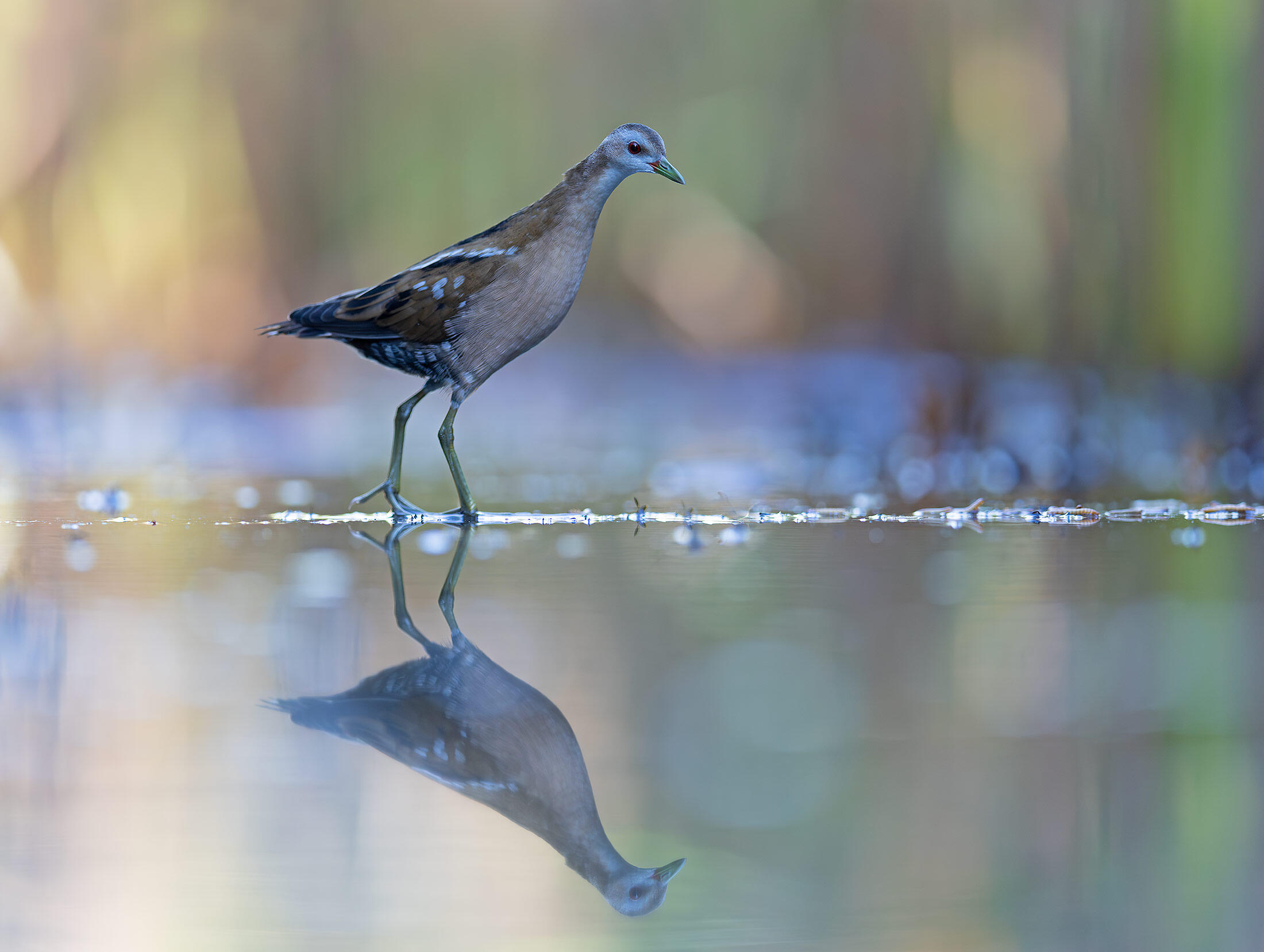
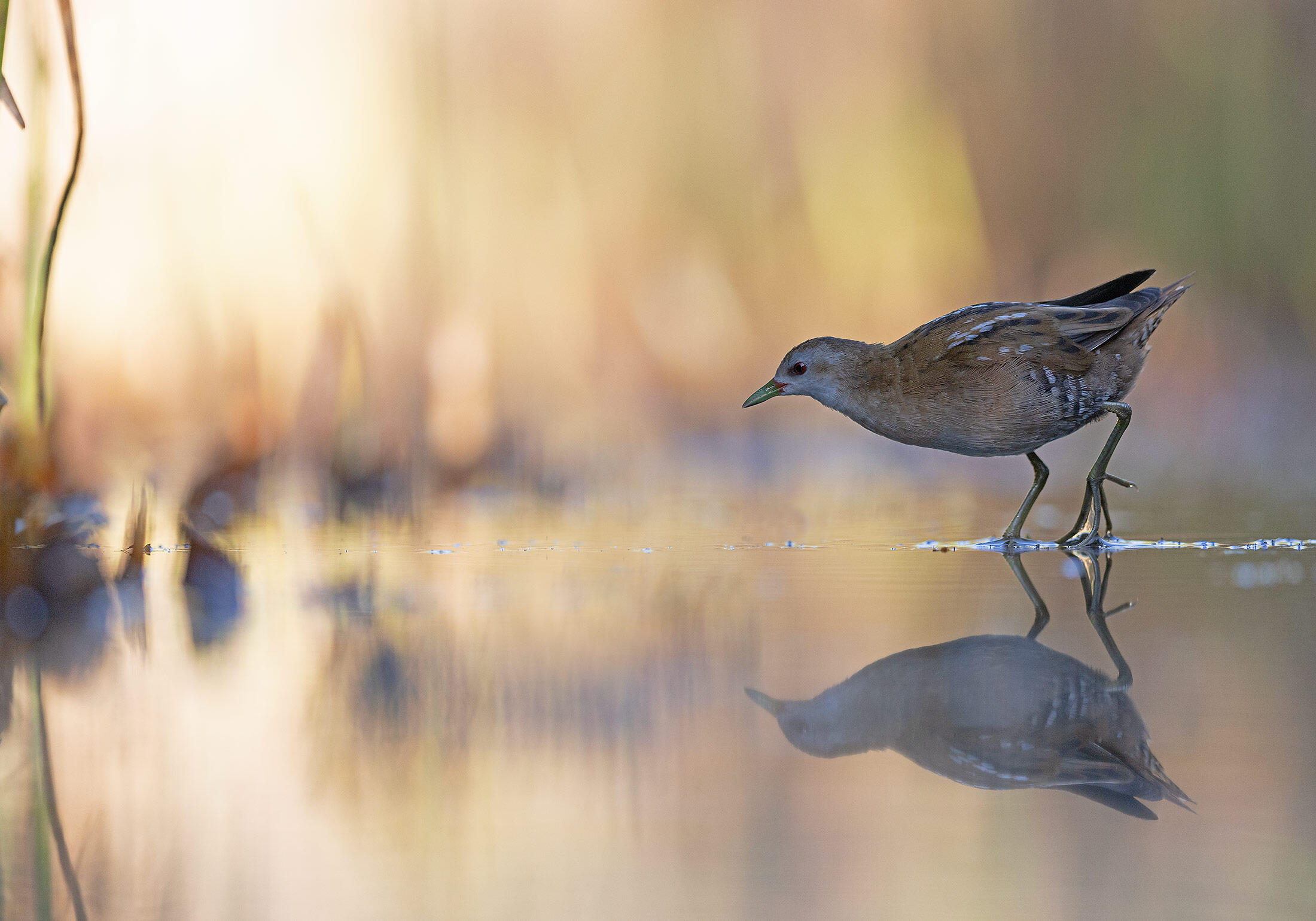
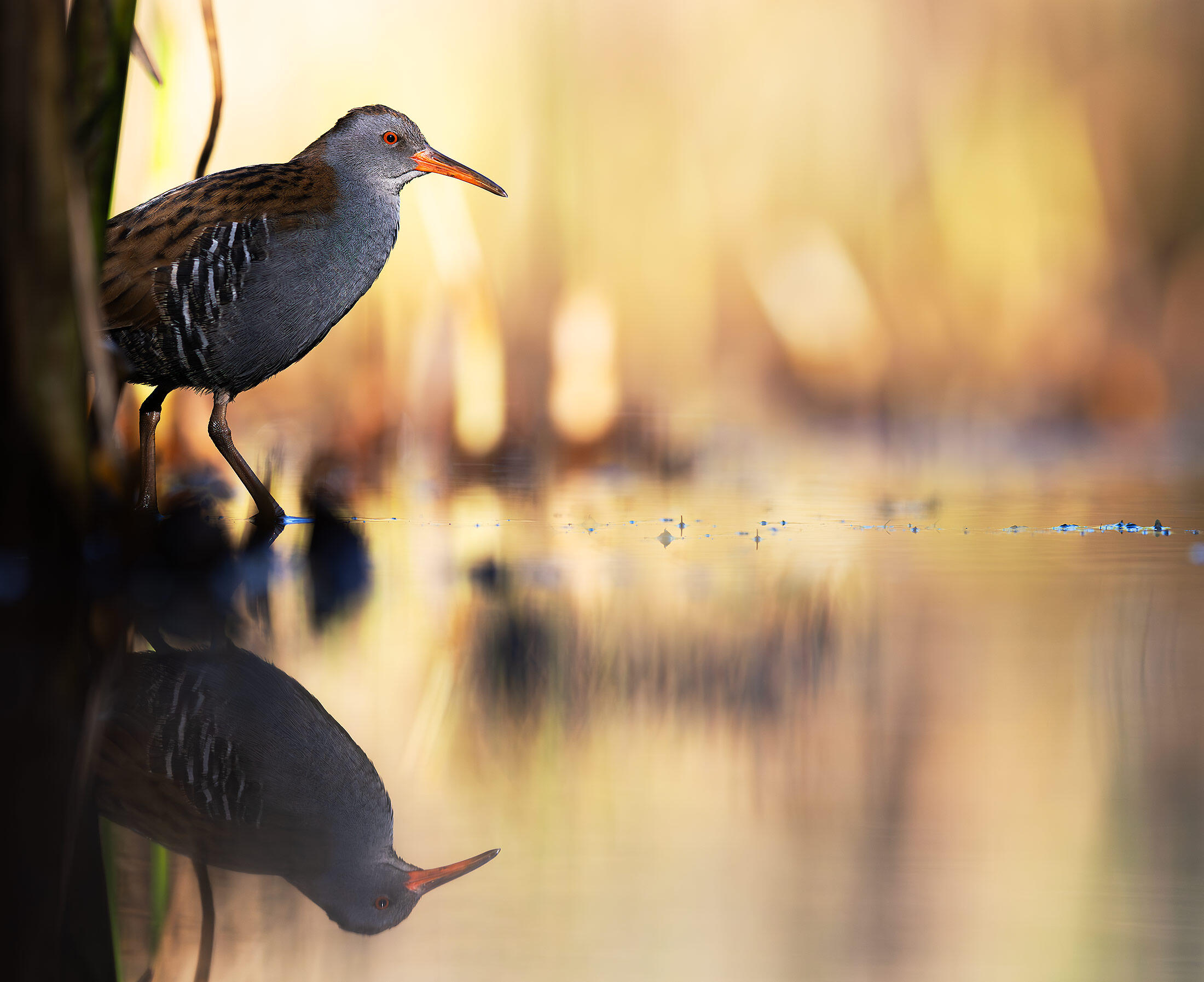
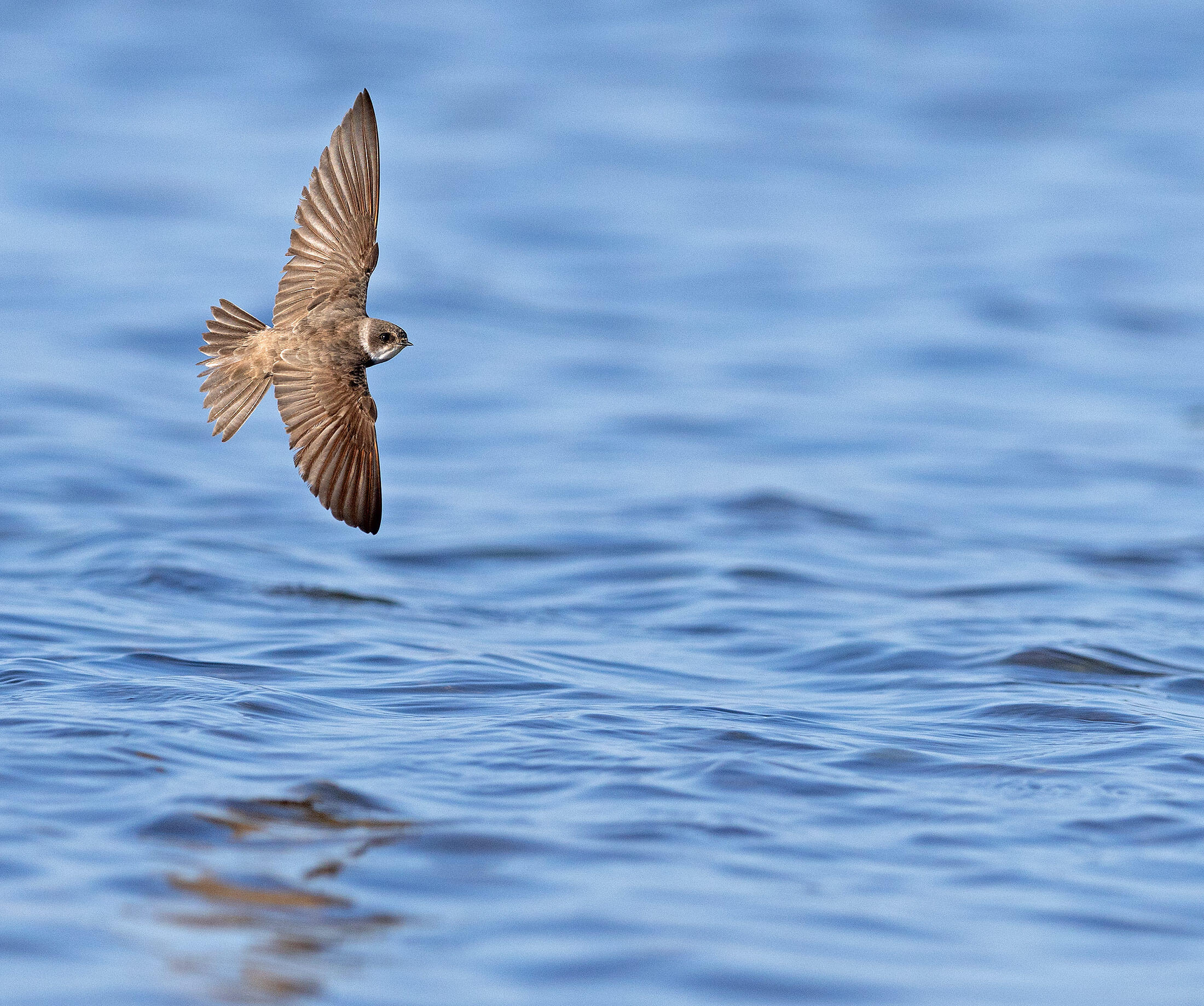
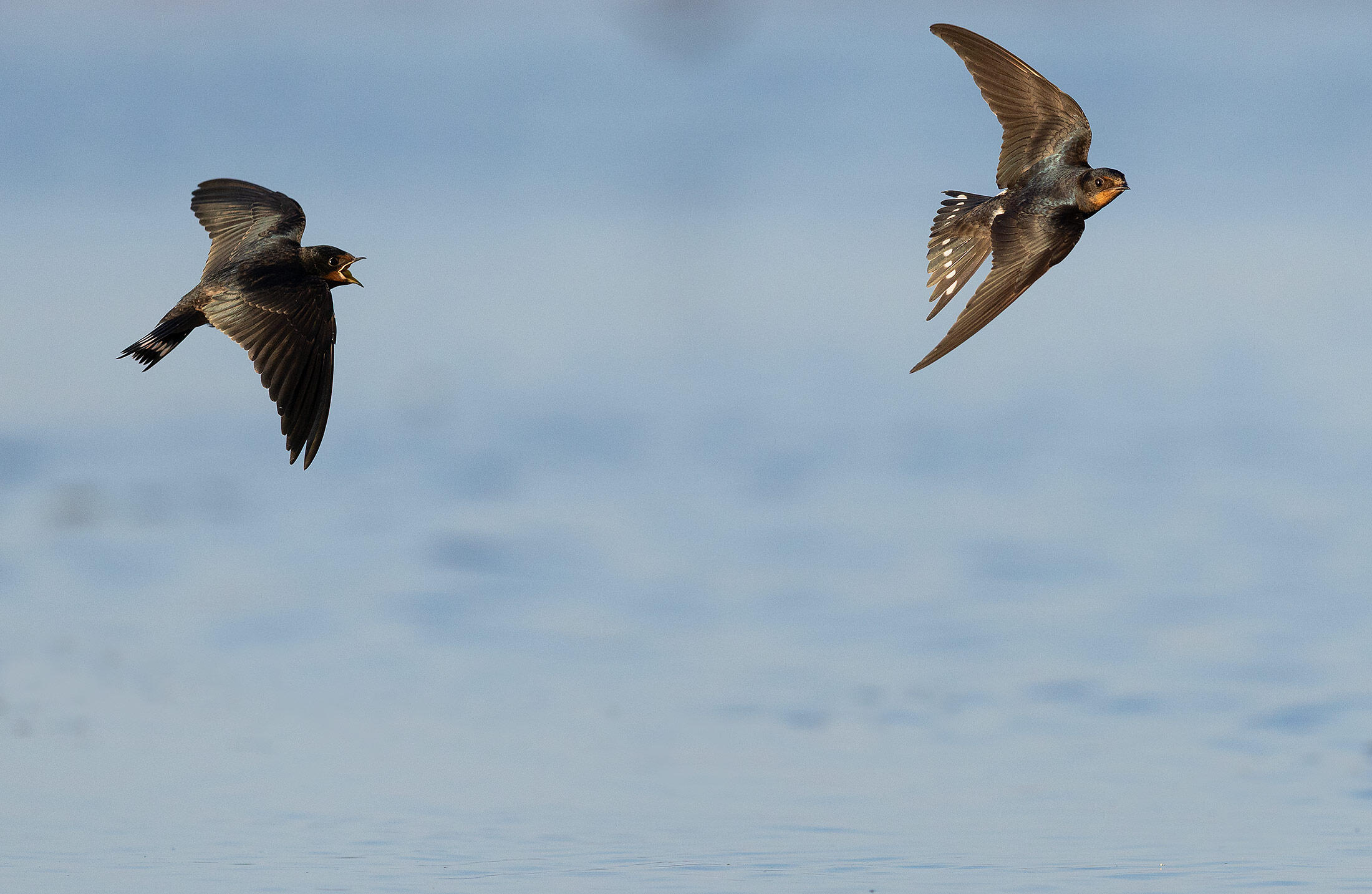
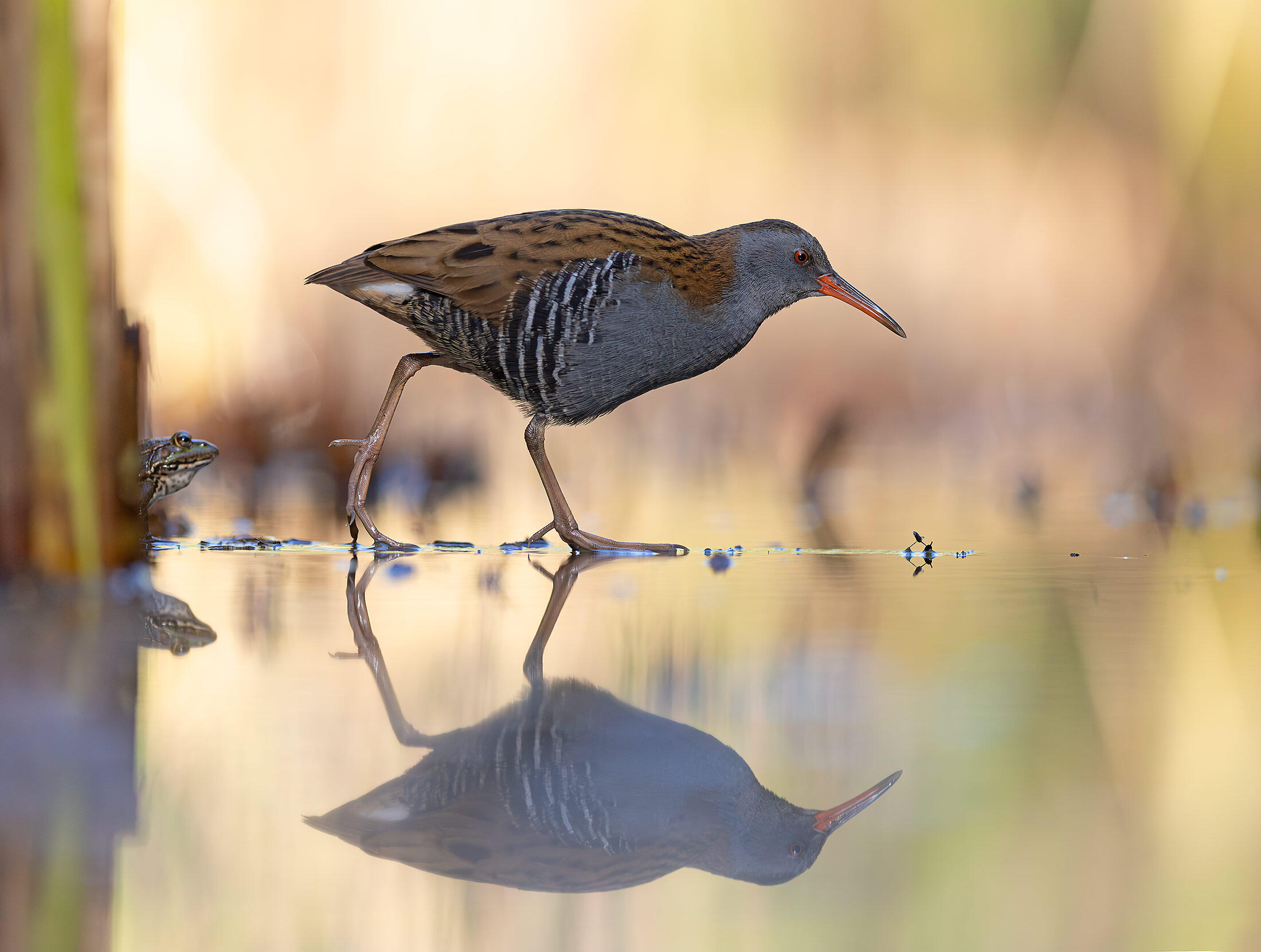
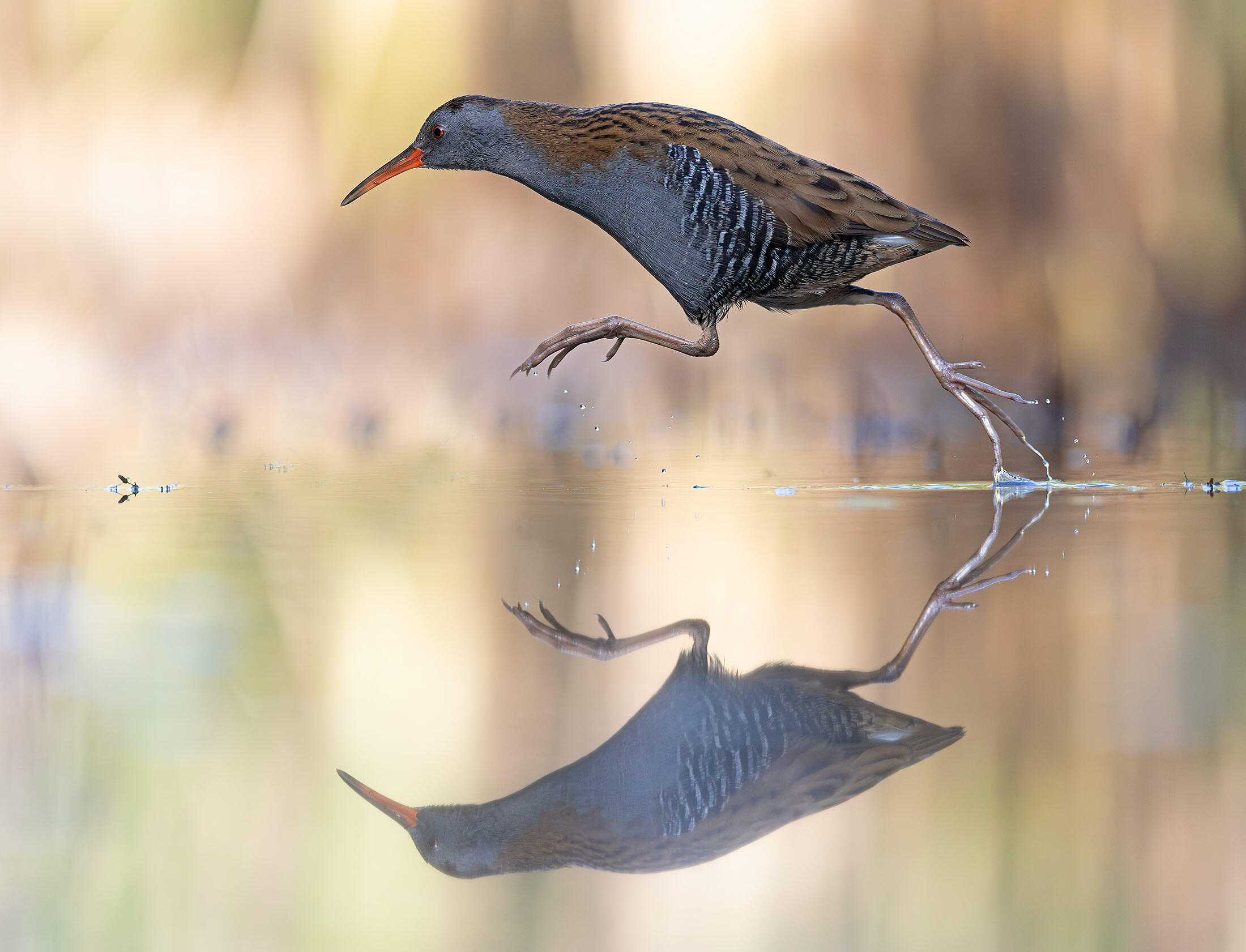
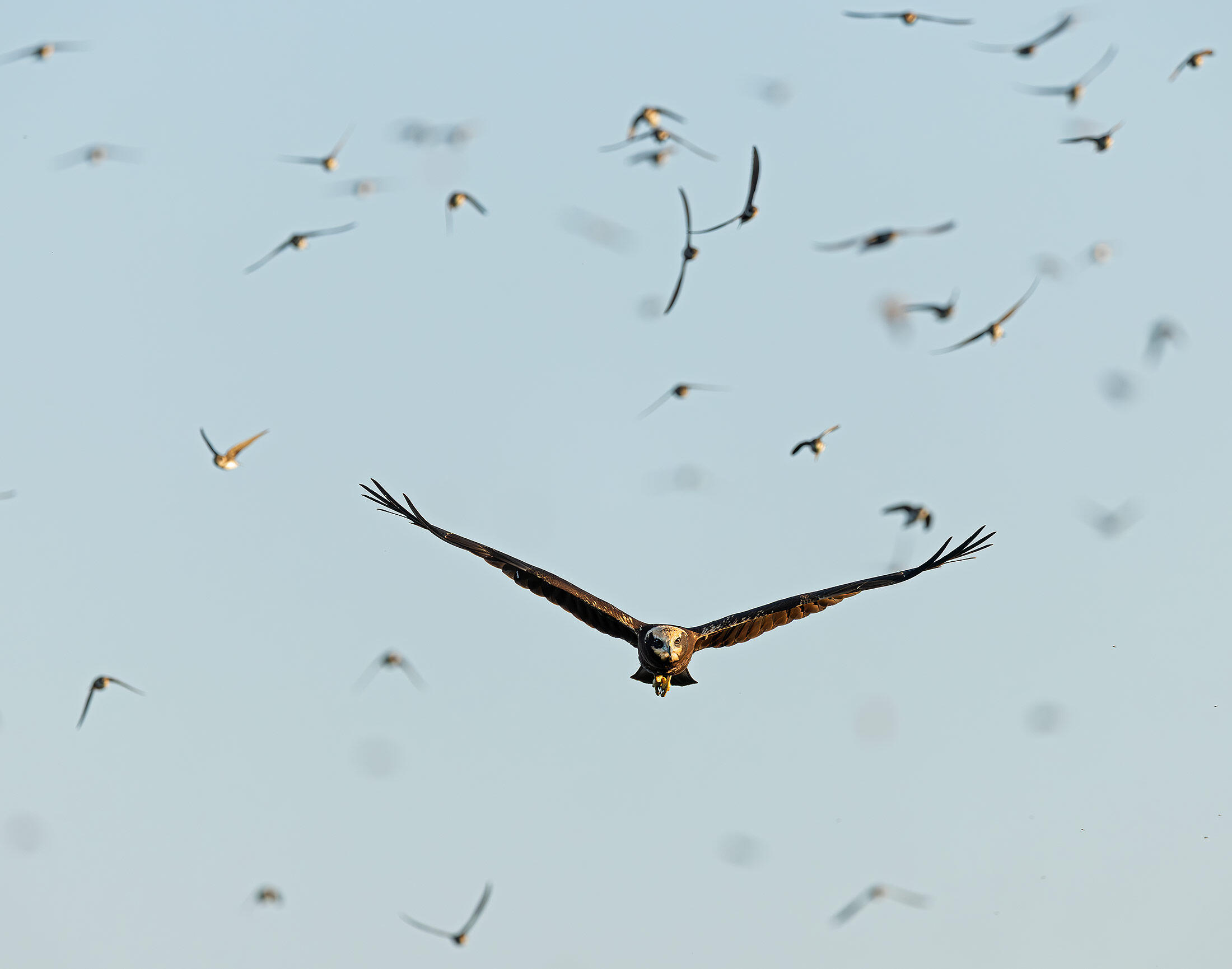
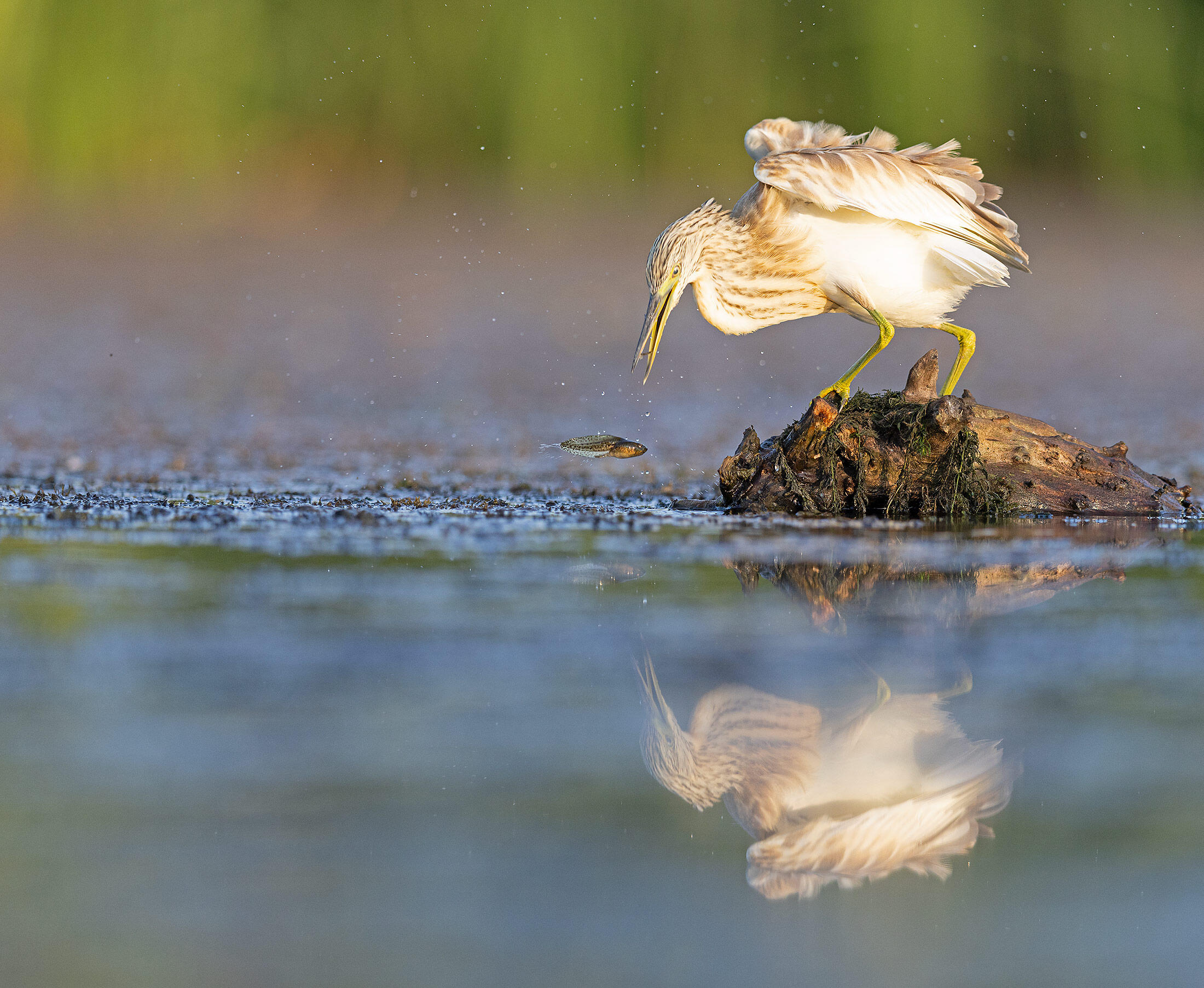
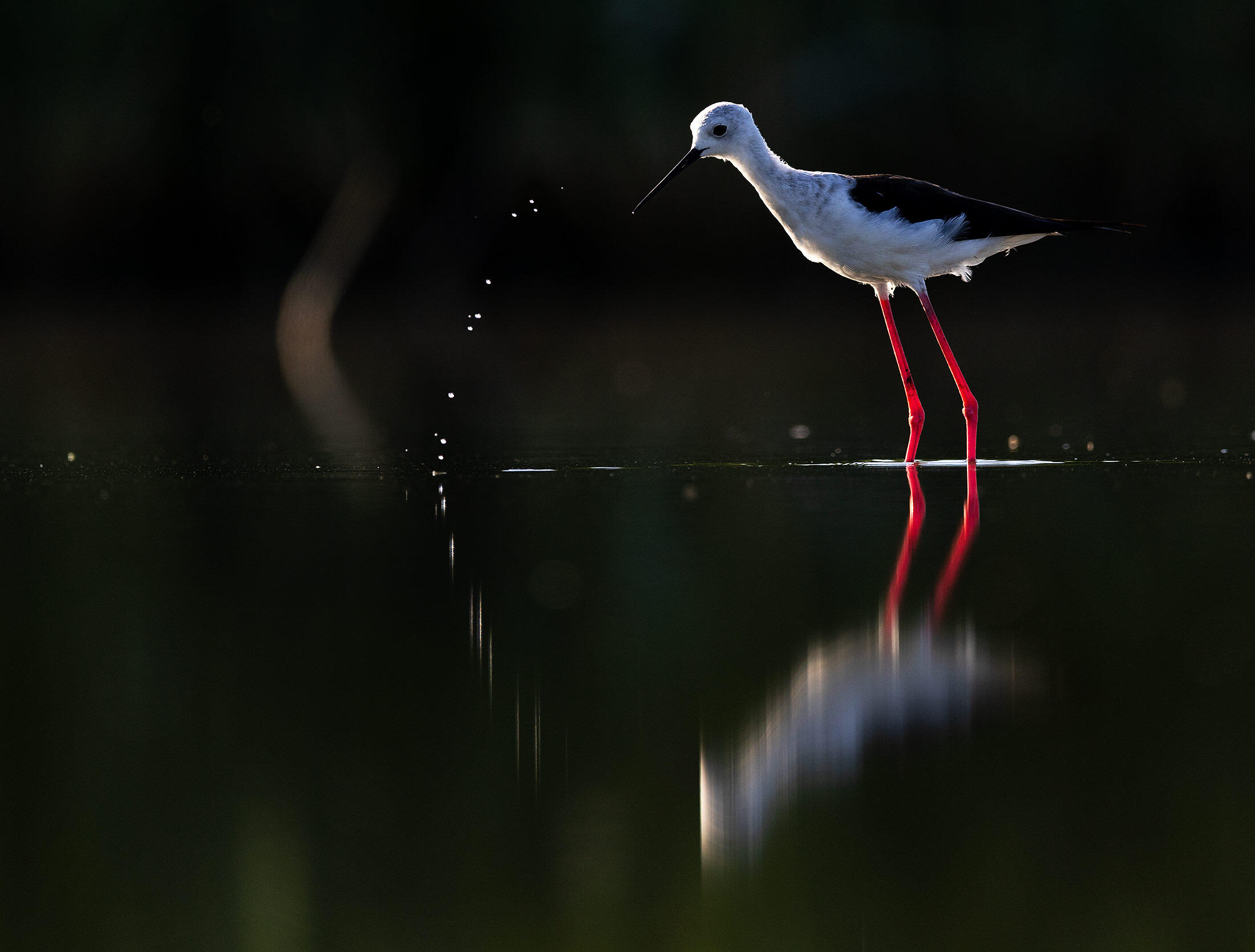
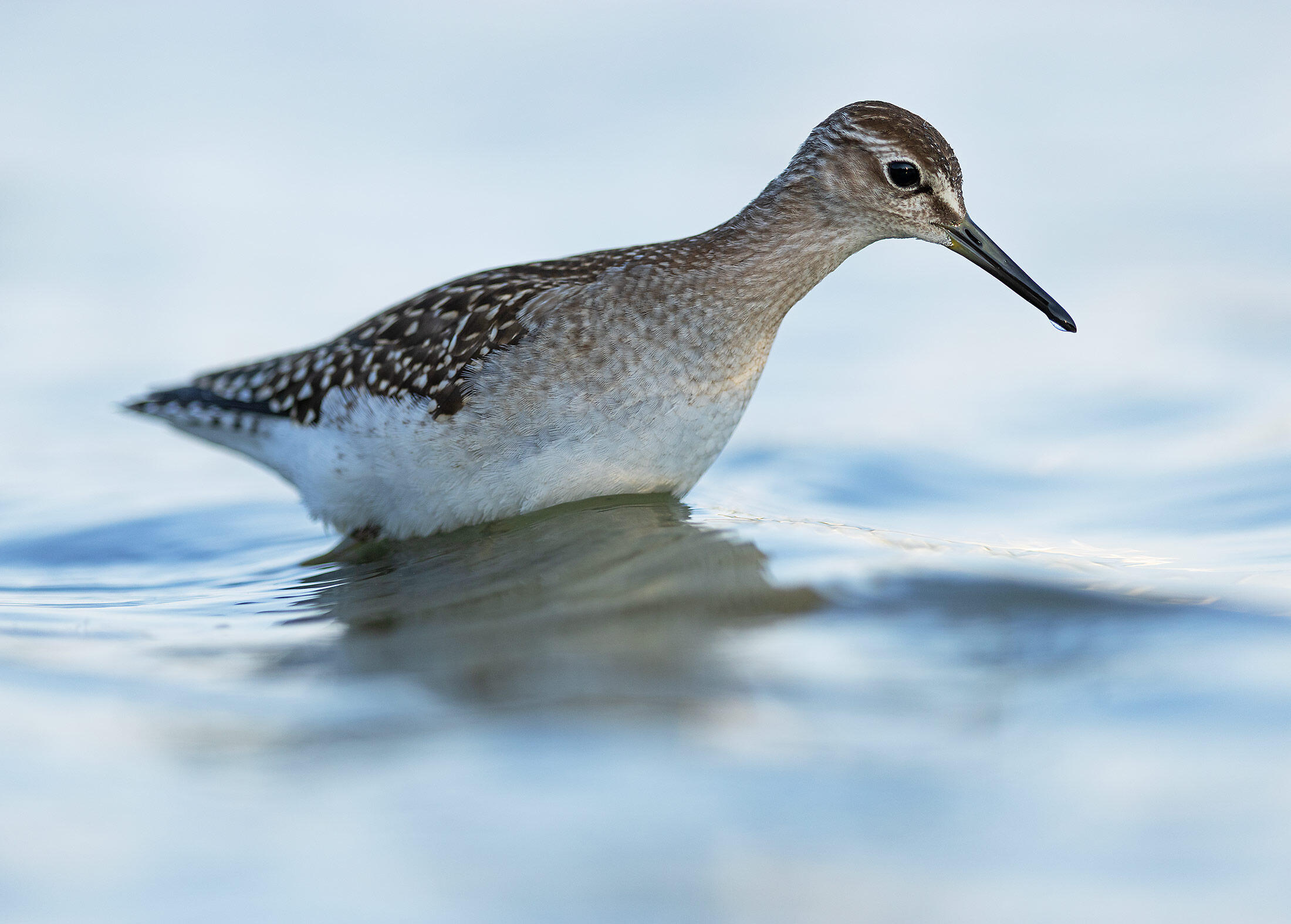
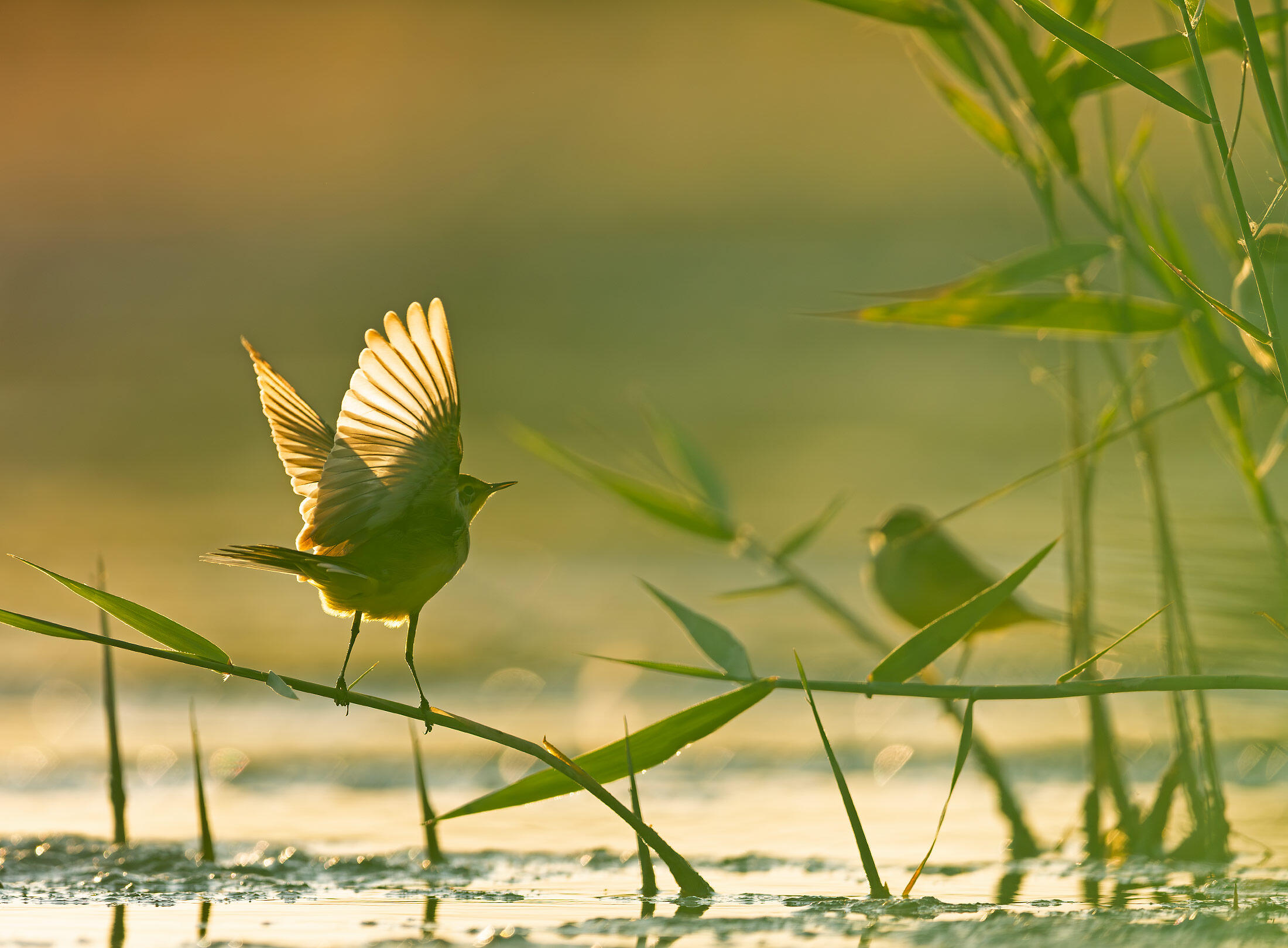
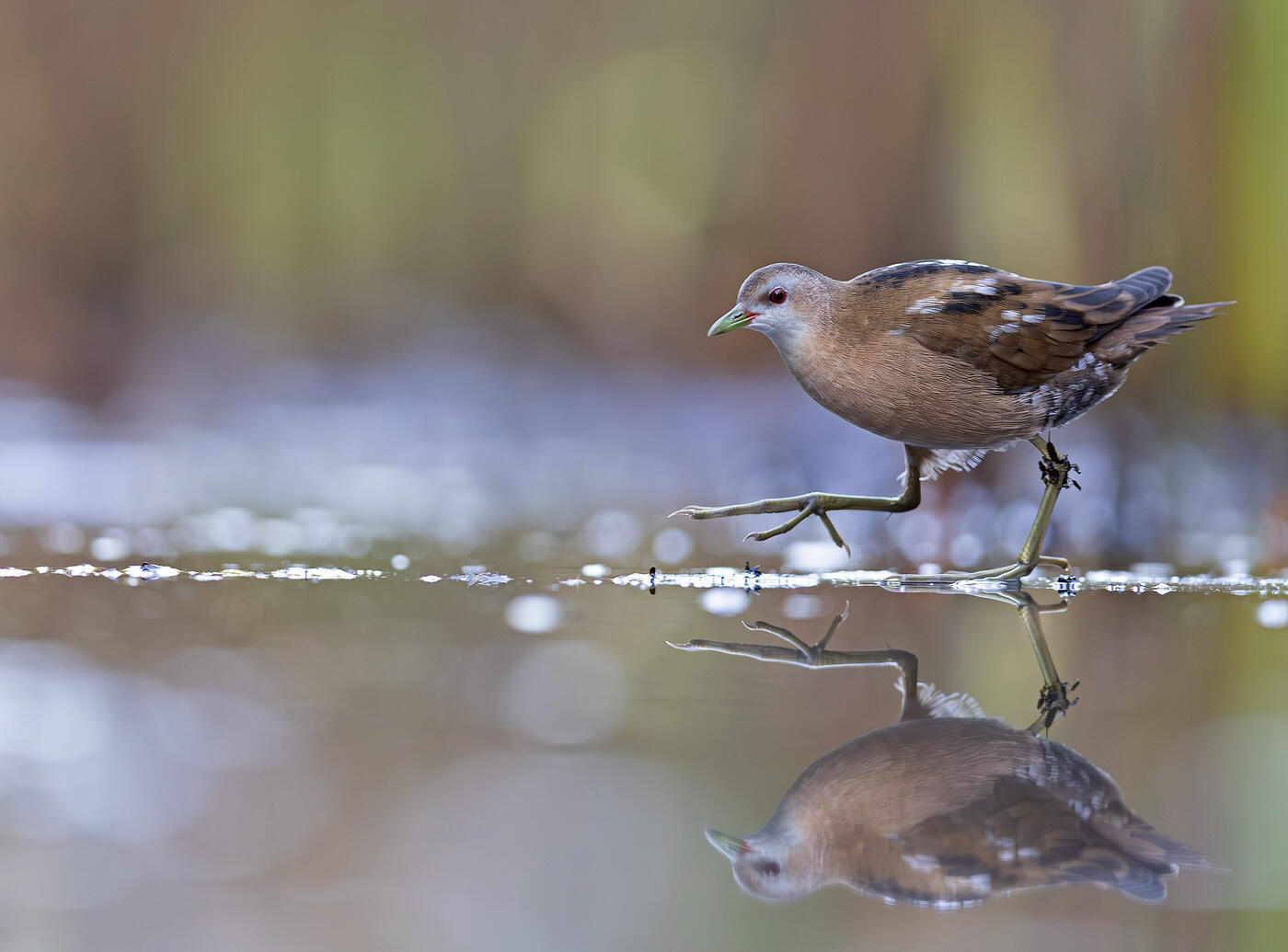
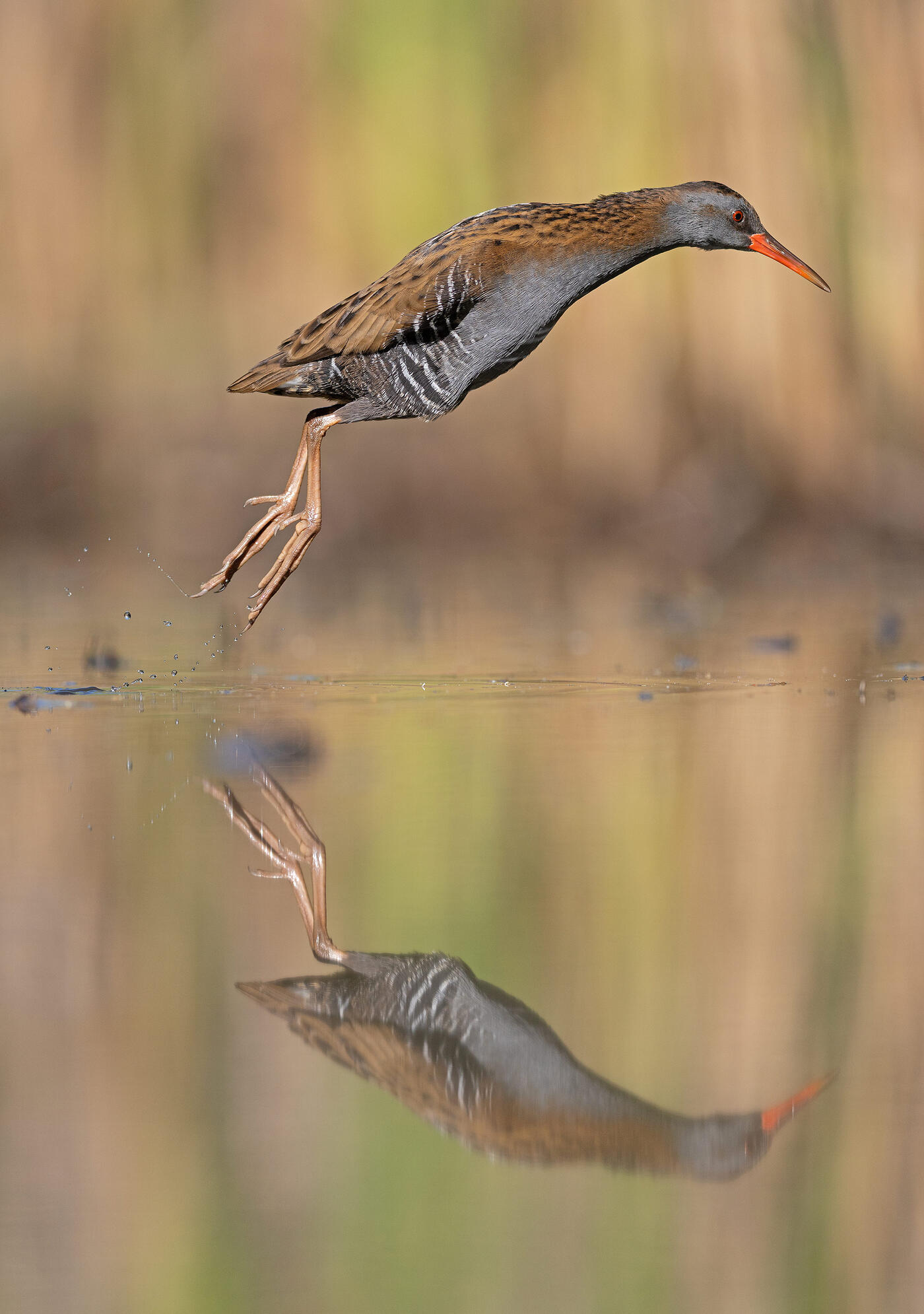
Moving slowly and cautiously with a floating hide, one can get very close to birds and animals while also being able to choose the best spot, considering the direction of the sunlight and the background. The low position of the camera toward the water surface allows for interesting compositions, including reflections and more.
One of the main advantages of shooting from a floating hide is the opportunity to be among wildlife without causing any disturbance – if we behave correctly, of course.
Black Sea Coast
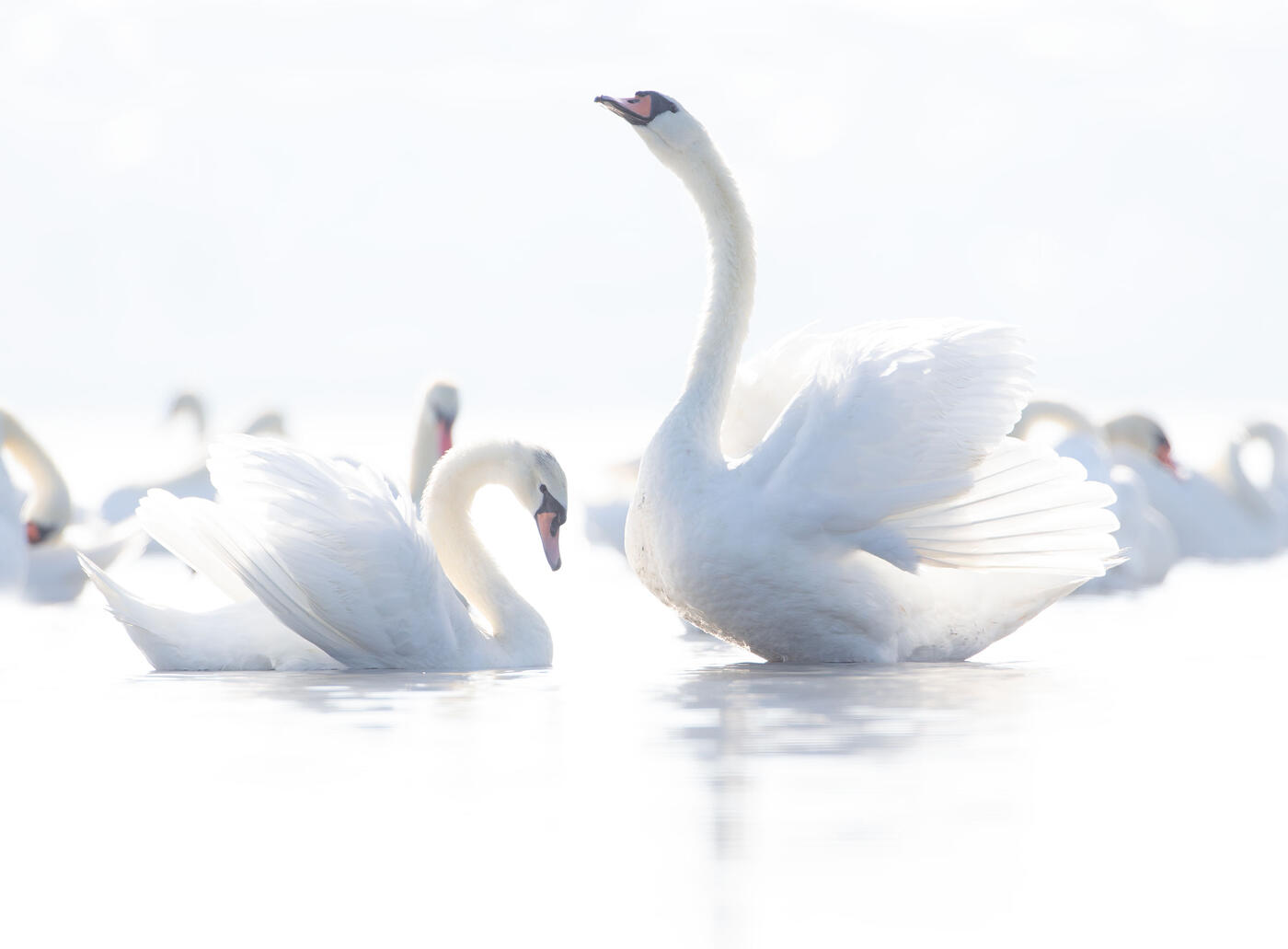
From the beginning of August until end of September, the Black Sea Coast is one of the most active areas for birds migrating from north to south. This great bird movement, known as Via Pontica, is the second-largest bird migration route in Europe .
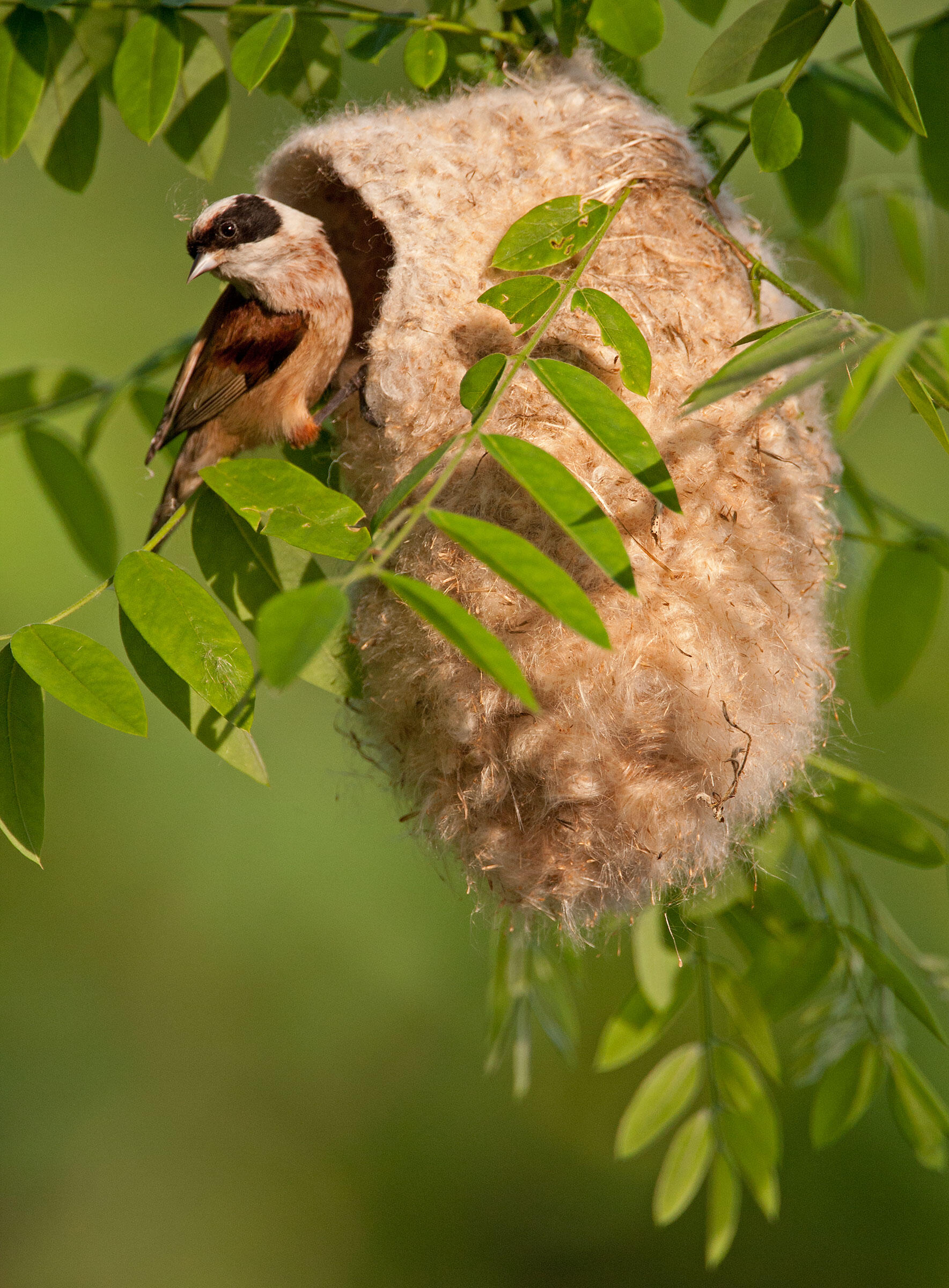
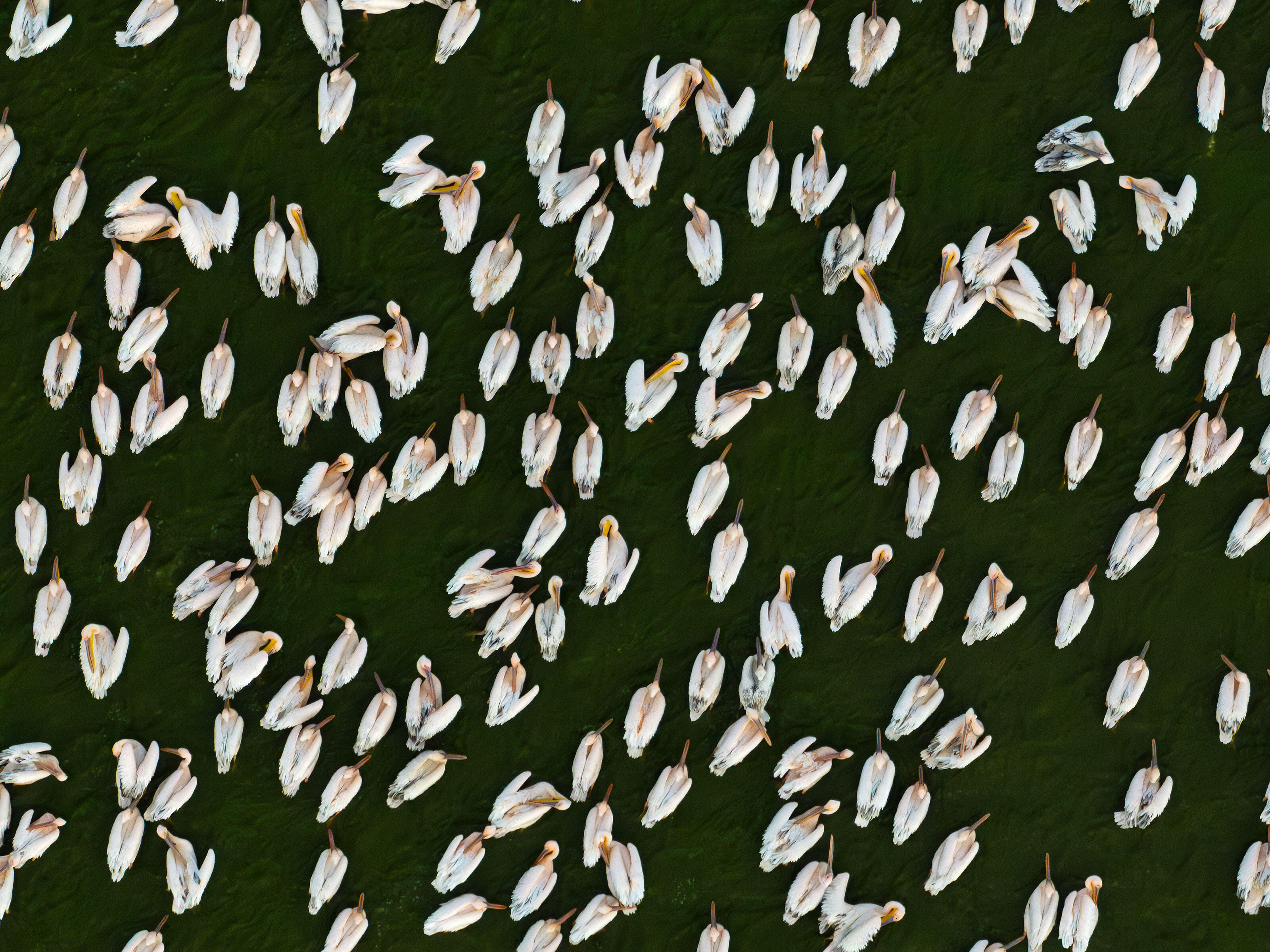
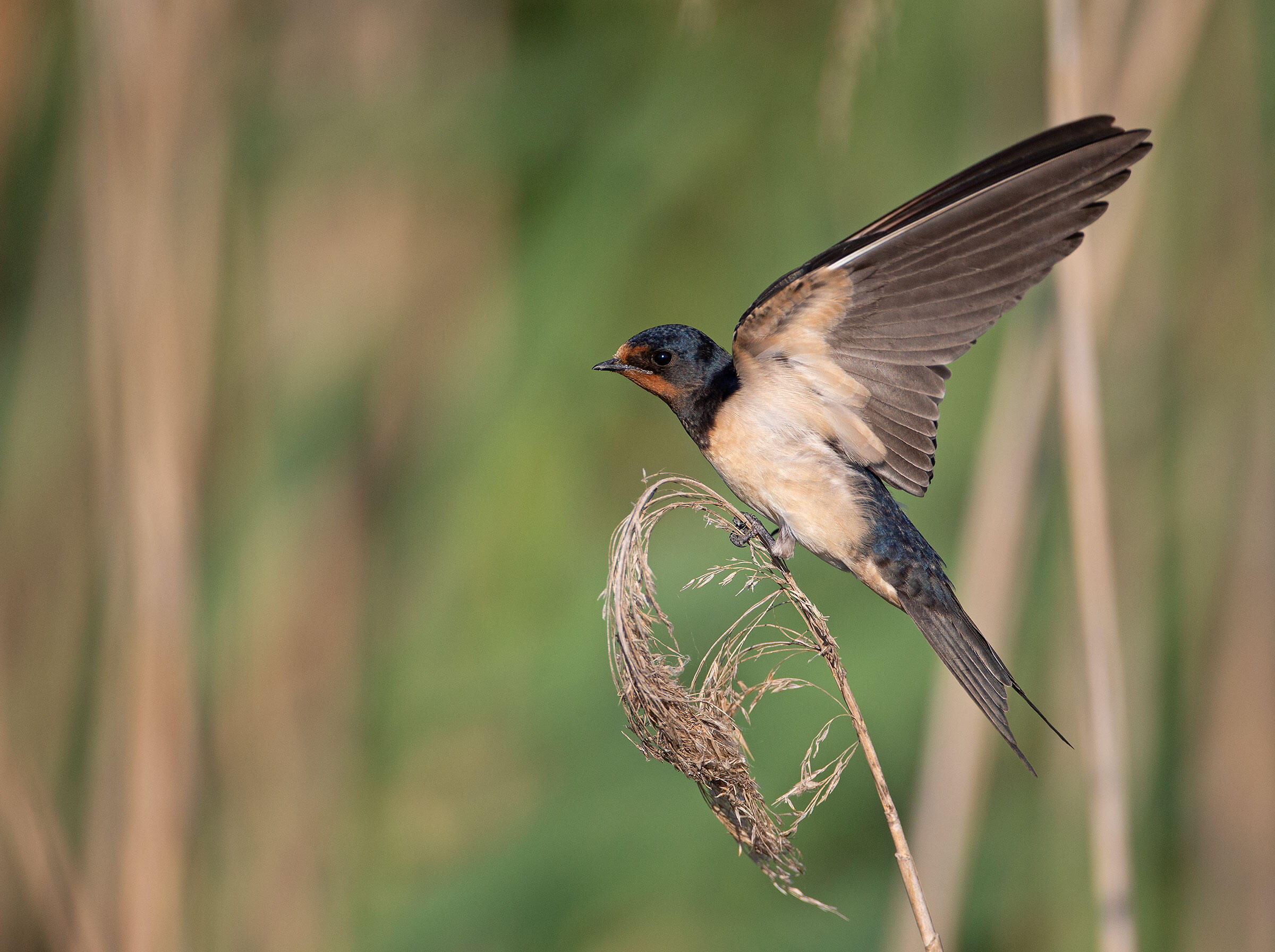
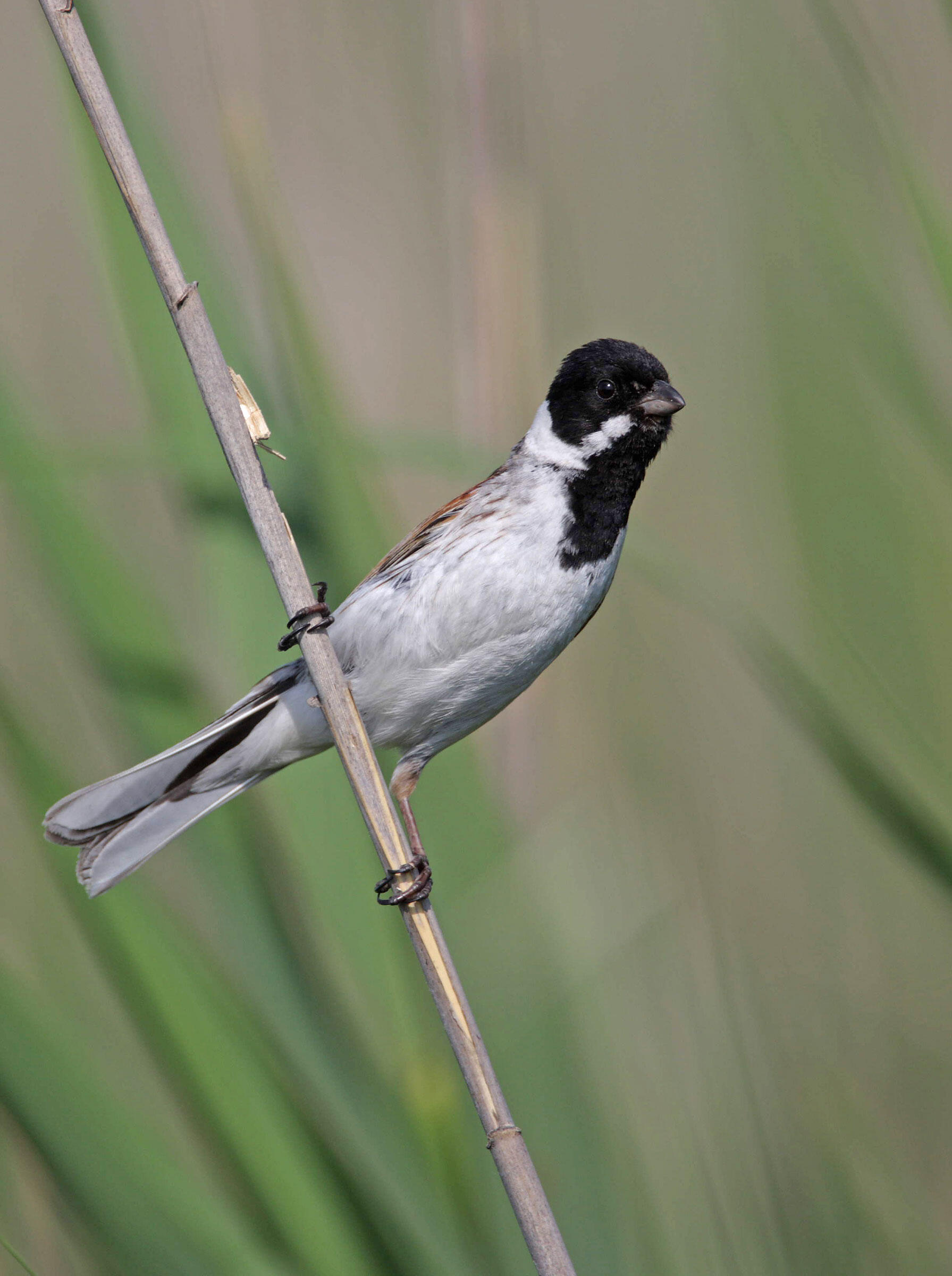
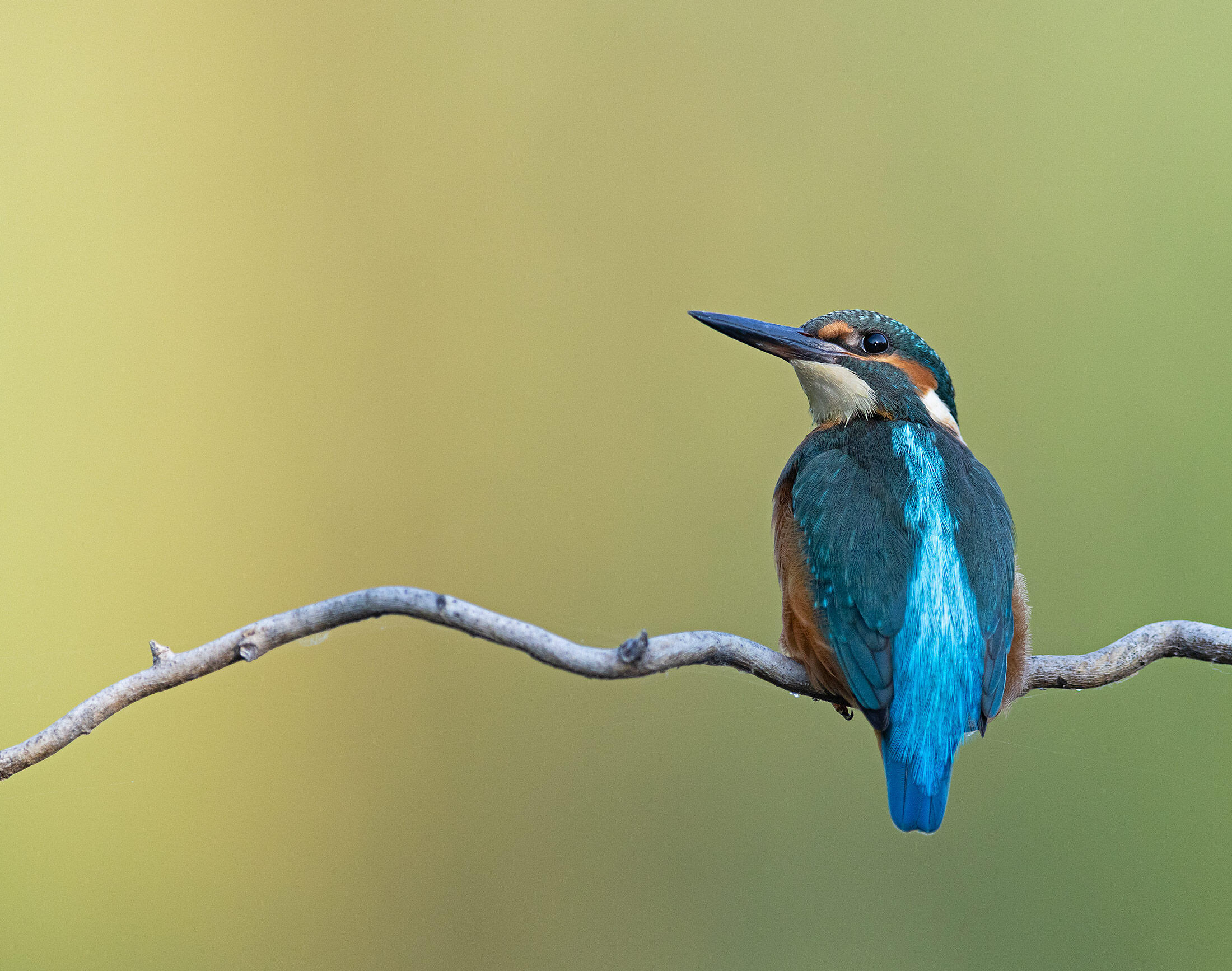
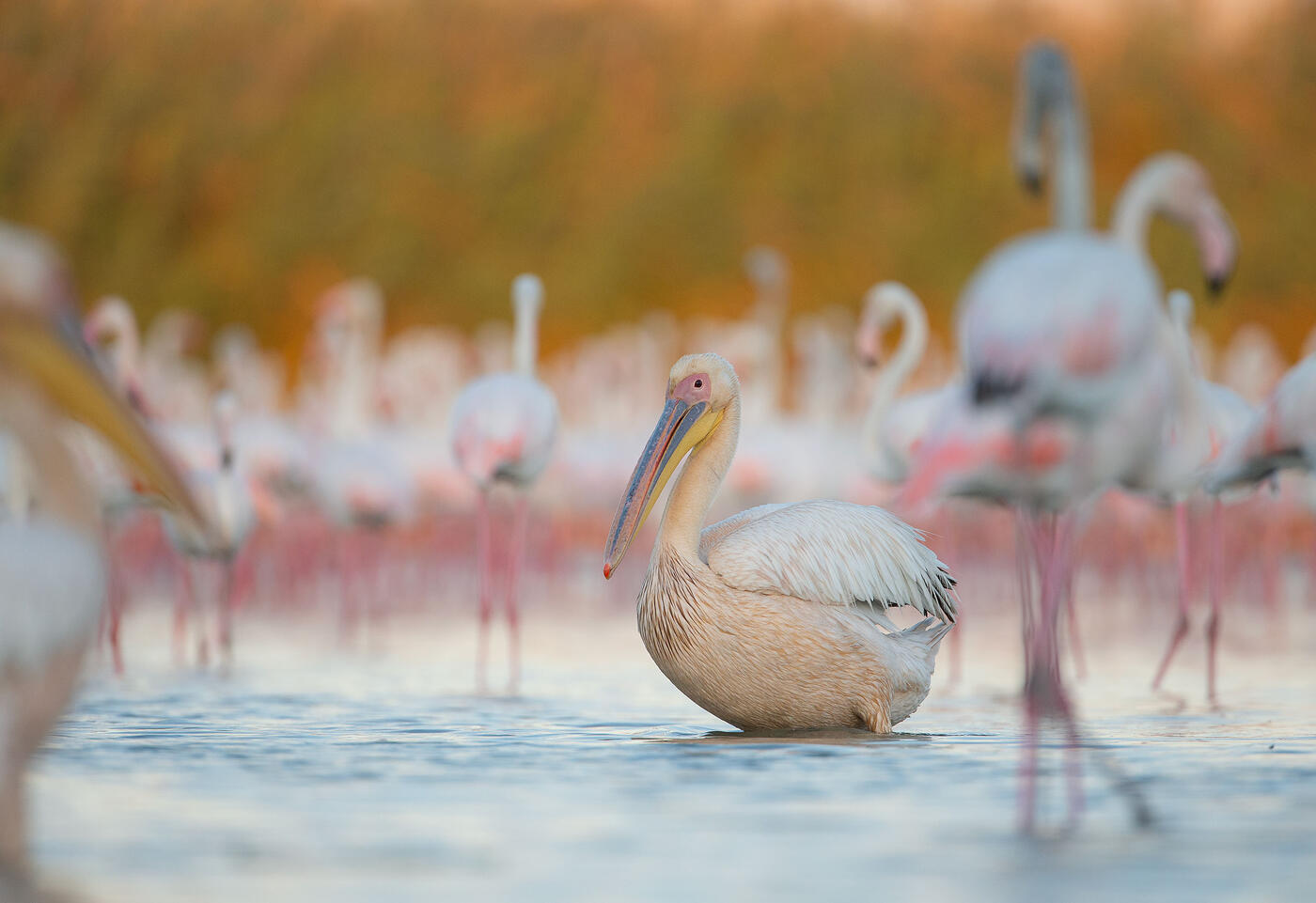
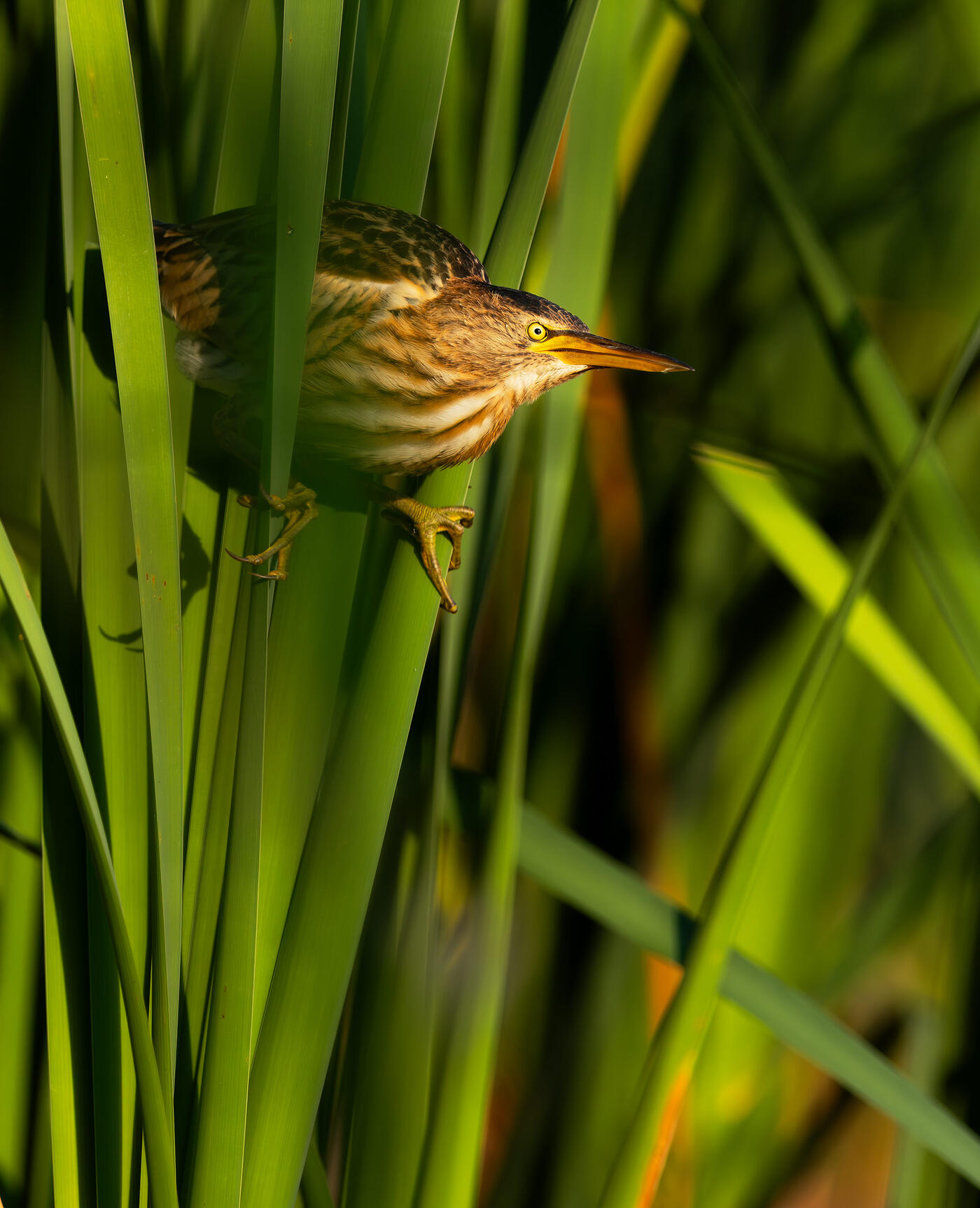
The typical species encountered during this special trip include: Water rail, Little crake, Little bittern, Pygmy cormorant, Night heron, Squacco heron, Purple heron, Spoonbill, Little egrets, Little grebe, Great Crested grebe, Kingfisher, White pelicans, Greater flamingo, Glossy ibis, Bearded tit, different waders, martins and swallows, and other birds living near the reed beds, such as wagtails, warblers and more.
The Sites
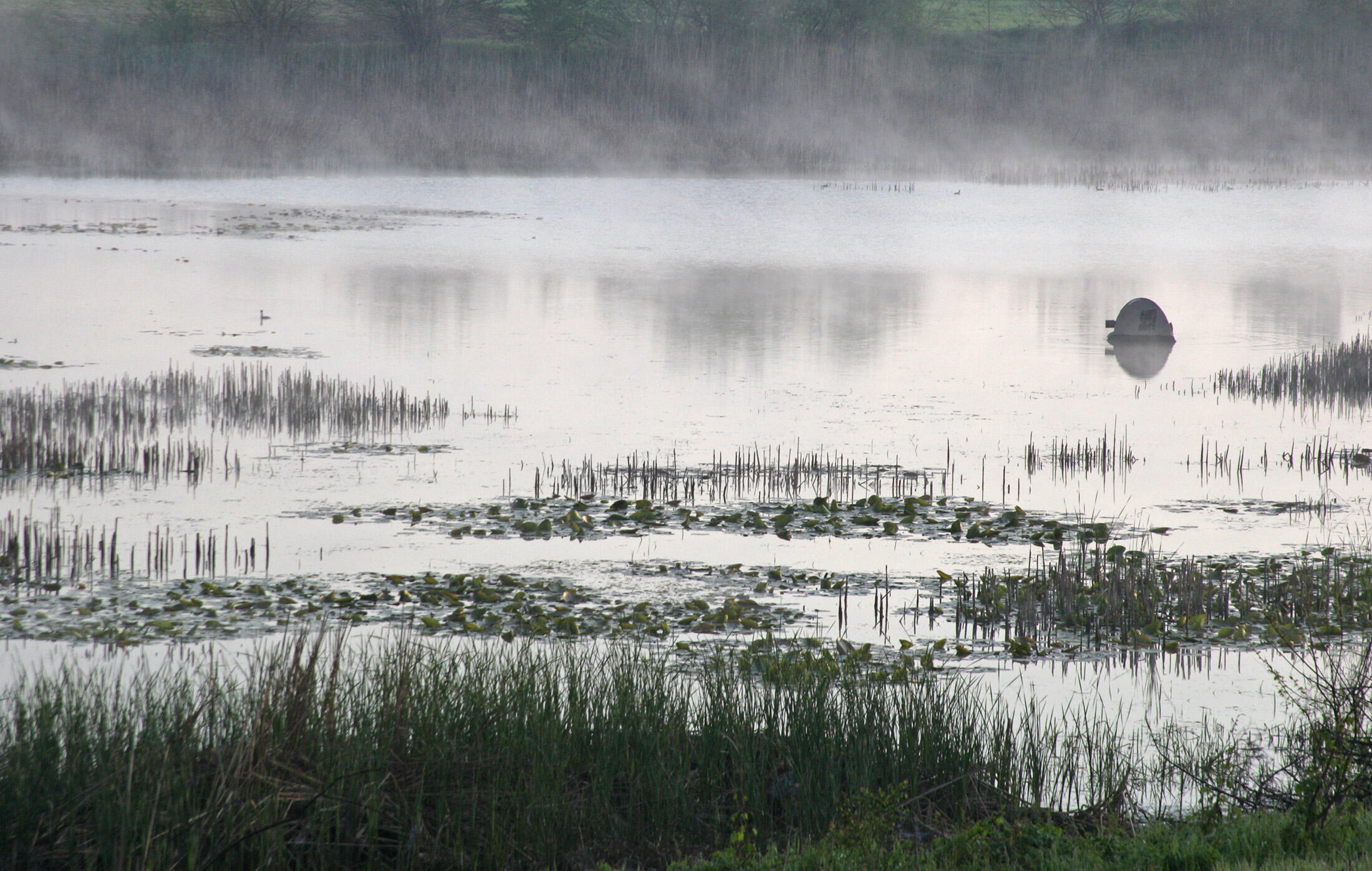
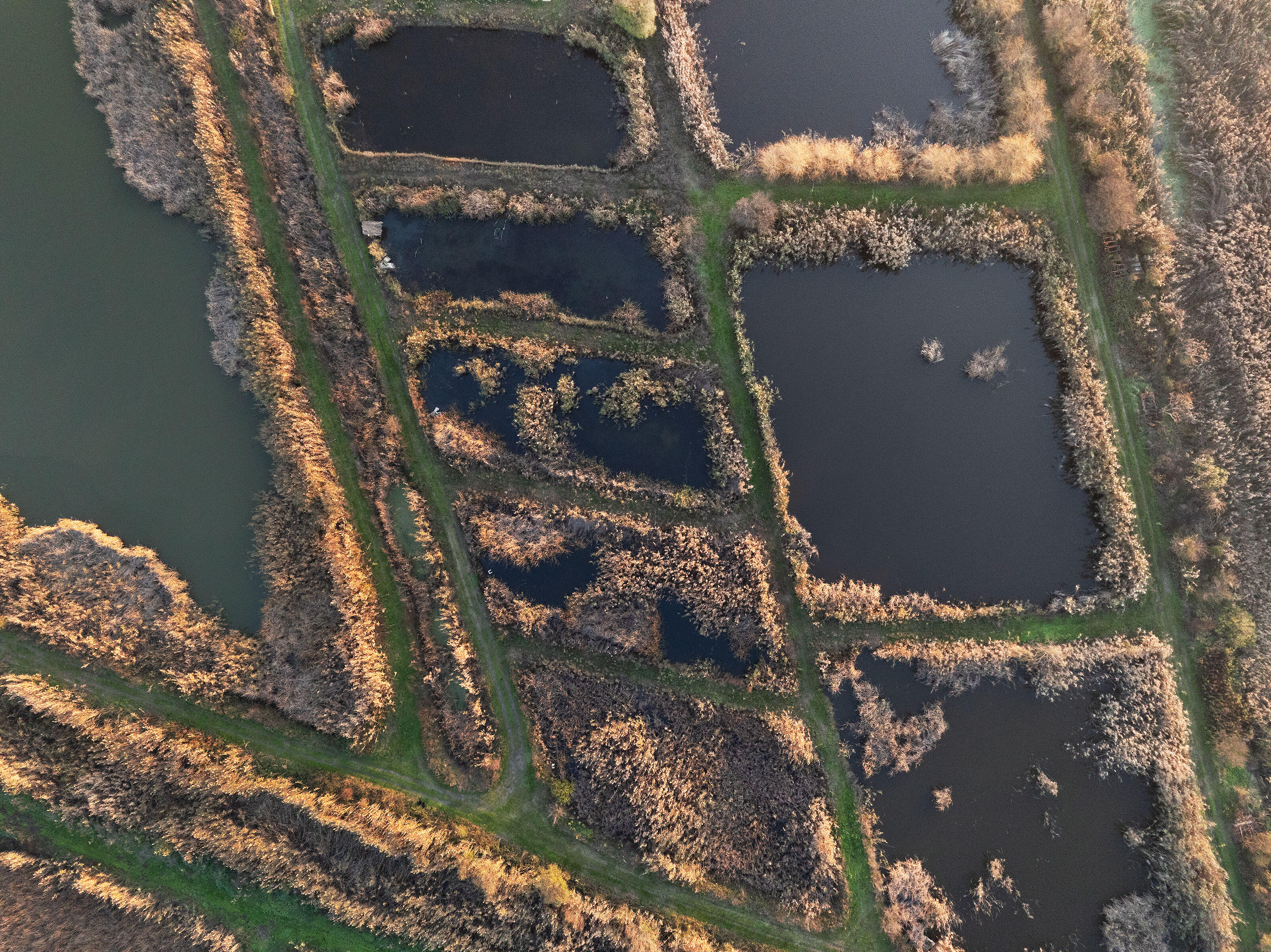
“Vaya Ecopark” is our main photo area – part of Lake Vaya, the largest natural lake in Bulgaria, right on the route of the second-largest bird migration route in Europe!
The place is organized as an eco-park where birds and all other animals are protected from disturbance. The water depth in several shallow basins is maintained at a good level. We have built several permanent low level hides and keep a small “fleet” of floating hides, all set up for high-quality photography.
Depending on the current activities, we also photograph along other wetlands near the Burgas area – small private lakes and salt plantations.
Large lakes, small ponds, dense reed beds and salty coastal lagoons – all these different habitats are home to different bird species.
Typical Itinerary
Depending on the weather, bird activity and your interests, we plan the photo sessions day by day.
Late summer and early autumn days along the Black Sea are relatively typical and predictable – sunny, calm mornings and sunny, breezy afternoons.
Photo days are divided into two sessions. Most often, we have to reach the hides about 30 minutes before sunrise (around 5:30 AM). Around 10:00 AM, the light becomes harsh, and we travel back to the hotel for food and rest. We have a long midday siesta and return for photography around 16:30. Usually, the best light is gone by about 20:00.
Before you enter the hides, you will receive detailed instructions on how to enter the water, how to behave, and how to use your equipment.
Our floating hides are equipped with plastic boxes (about 5 liters) suitable for safely storing equipment, phones, batteries, food and other personal belongings. The front platform is fitted with a standard 3/8”-16 UNC screw, allowing for the safe mounting of a tripod head with an attached long lens and camera.
Level of Fitness
Walking and kneeling in marshy areas, walking along the reeds, lying down in low-level hides – all these activities require good or at least healthy physical condition.
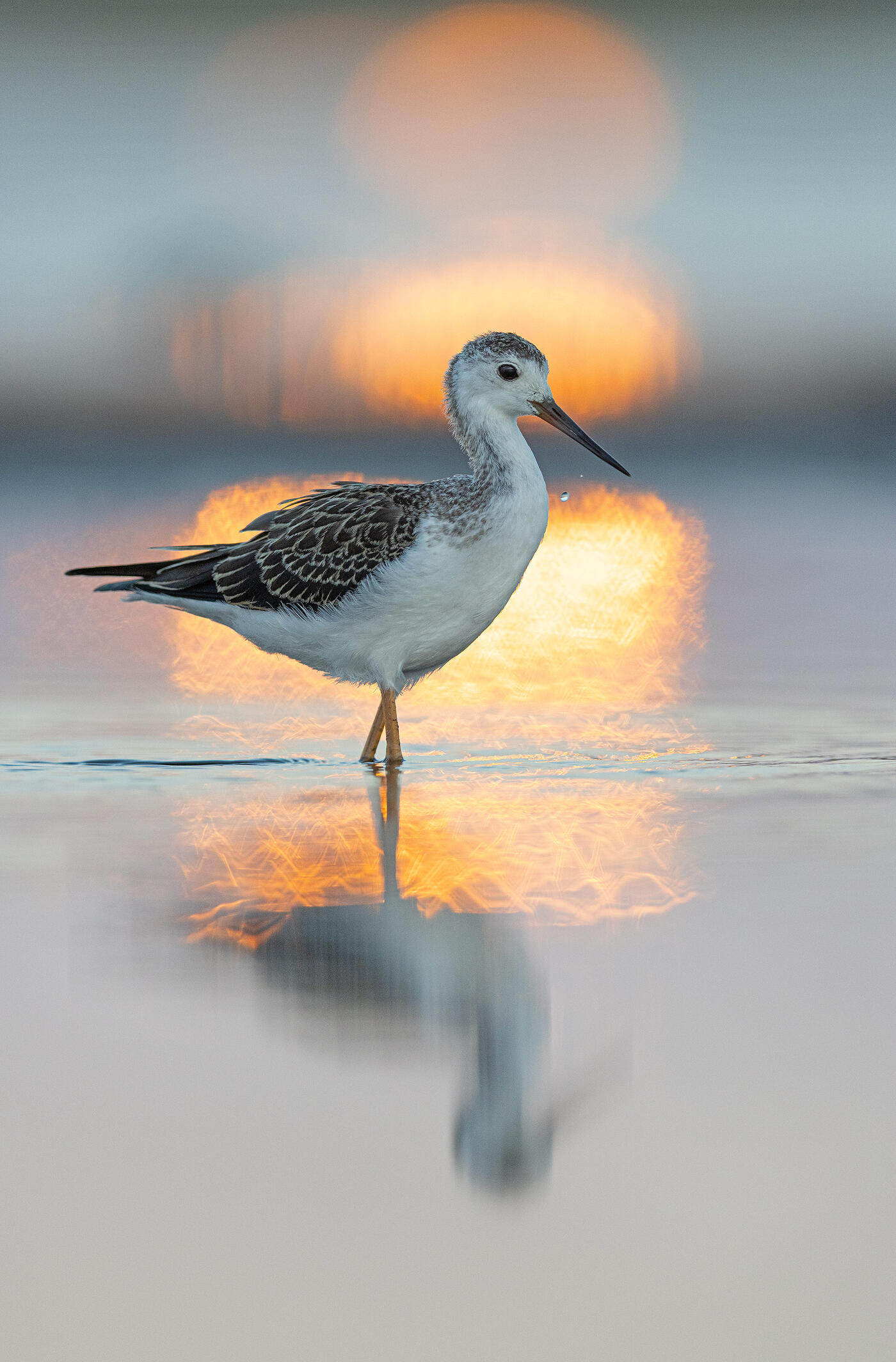
Photo Equipment
Long zoom or fixed telephoto lenses are recommended. Macro lenses can also be helpful for possible macro sessions.
A tripod and tripod head are required! Binoculars can be helpful. Don't forget memory cards and batteries!
Chest Waders and Clothing
We keep a number of chest waders in different sizes, and you can use them. However, for your comfort and hygiene, we recommend using your own chest waders!
It is best to bring your own waders, or you can buy them after your arrival.
Dry suits are probably the most comfortable way to stay in the water. So, if you have your own dry suit, you can use it as well.
Group Size
3 to 5 photographers
Cost
2,000 EUR
Single supplement: 150 EUR
Deposit: 300 EUR
Price excludes: International flights, travel insurance, all items of pure personal nature.
Note
We plan a proper photo session on the afternoon of the first day (arrival day) and a proper morning session on the last day of the trip (departure day).
When confirming your trip we will be in touch and you will receive information with more details about planning, expected weather conditions, current bird activity, recommended photo equipment, accommodation information, and more.